Screening & Assessments
Screen every applicant in minutes. Build multi-test assessments and let Wetest rank candidates automatically.
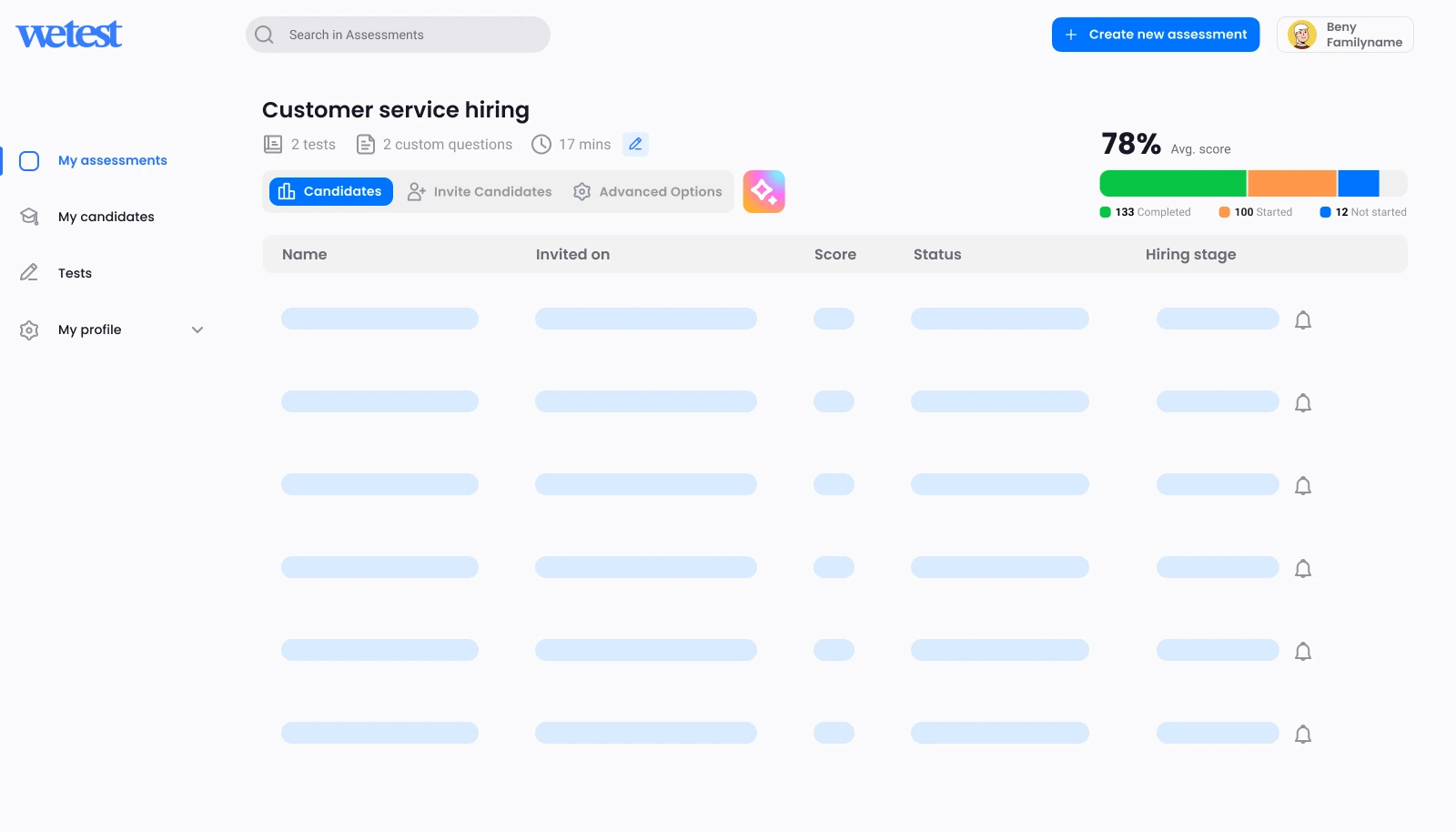
Use Wetest to see how candidates follow procedures, work with numbers, and solve problems before you hire.
Start with Free plan · Setup in under 5 minutes


Seeing what weak hiring costs is the first step to building stronger operations.
One bad logistics or warehouse hire can easily consume around $14,000 in recruiting, onboarding, training, overtime, rework, and replacement.
Around 70% of logistics candidates can look fine on paper, but their real accuracy, reliability, and problem‑solving only show up once they are on the floor.
Replacing a mis‑hire can take more than 20 hours of sourcing, interviews, training, and onboarding again, while teams absorb extra mistakes, delays, and pressure.
Wetest helps you look past CVs to the skills that actually matter in logistics: following instructions accurately, working with numbers, spotting issues early, and communicating clearly under time pressure.
You can combine tests like Numerical Reasoning, Time Management, Communication, Customer Service, and Project Management to reflect the mix of planning, coordination, and hands‑on work in your warehouse and logistics teams. Instead of hoping interviews reveal enough, you see how candidates read instructions, interpret data, and respond to realistic scenarios before you trust them with inventory, routes, or customer orders.
Supervisors and operations managers cannot run deep screens on every applicant, yet one wrong hire can disrupt shifts and service levels. With Wetest, you send a targeted assessment link as soon as candidates apply or clear an initial screen, and results are scored and ranked automatically.
Hiring managers receive a focused shortlist of people who have already shown strong problem‑solving, numeracy, and communication, so interview time is spent on fit, reliability, and role‑specific checks rather than basic capability.
Hiring decisions in logistics and warehousing are often reviewed by HR, operations, and sometimes external partners or auditors. Wetest gives every candidate for a role the same structured mix of skills and situational tests, so you are comparing like with like instead of relying on informal impressions.
This consistency reduces bias, supports fair access for candidates from different backgrounds, and gives you a clear, documented basis for explaining why some candidates advanced and others did not.
Every hiring decision affects order accuracy, on‑time delivery, safety, and customer experience. By using tests like Numerical Reasoning, Communication, Customer Service, Time Management, and Business Analyst, you identify candidates who can understand order data, coordinate across teams, and handle pressure without letting quality slip.
That leads to fewer picking errors, fewer last‑minute scrambles to meet cut‑offs, and more consistent service levels that support repeat business and stronger relationships with carriers and customers.
Weak hiring shows up in re‑picked orders, re‑packed pallets, repeated stock counts, and supervisors who spend their day correcting avoidable mistakes. Combining skills tests with problem‑solving and planning assessments, such as Advanced Problem Solving, Project Management, and Leadership & Management for senior roles, helps you filter out candidates who struggle with complexity, prioritization, or ownership.
Your teams spend more time moving goods accurately, optimizing routes, and improving processes, and less time fixing errors or coaching people who are not ready for the role.


Wetest combines science-backed tests, AI proctoring, and instant analytics — so you can screen every candidate fairly and hire with confidence.
Screen every applicant in minutes. Build multi-test assessments and let Wetest rank candidates automatically.
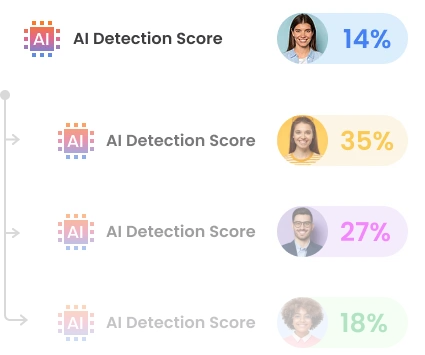
Catch AI and cheating in real time. Every result comes with a trust score you can rely on.
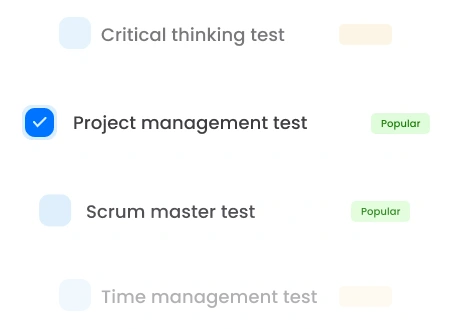
200+ science-backed tests. Cover skills, cognitive ability, language, and personality.
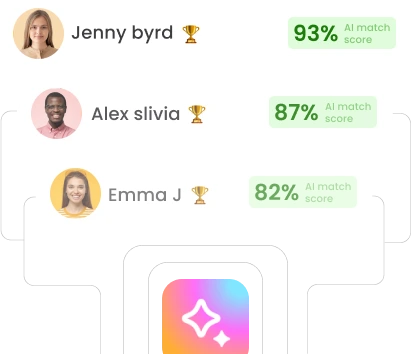
AI picks your top candidates. Wetest surfaces the best-fit applicants automatically — ranked and ready to hire.
Plug into your hiring stack. Native links to Greenhouse, Lever, Workday, and 20+ more.

Wetest can support warehousing, transport, and logistics operations across frontline, coordination, and leadership roles. Here are key test categories and how they help.
Focuses on untangling complex, practical issues and choosing workable solutions under constraints, similar to resolving routing conflicts, delays, or space limitations in a warehouse.
Reasoning & Problem‑SolvingMeasures how quickly candidates learn new systems, spot patterns, and adapt, indicating how fast they can pick up routes, processes, and operational changes.
Reasoning & Problem‑SolvingTests how well people evaluate information, separate signal from noise, and avoid poor conclusions, mirroring decisions about exceptions, shortages, and priority orders.
Reasoning & Problem‑SolvingPresents realistic work scenarios and asks candidates how they would respond, revealing judgment on safety, teamwork, and customer impact in day‑to‑day operations.
Reasoning & Problem‑SolvingAssesses mental flexibility and the ability to switch between tasks or perspectives, useful for fast‑paced environments where priorities change during a shift.
Reasoning & Problem‑SolvingChecks comfort with numbers, ratios, and simple calculations, important for quantities, capacities, timings, and basic performance metrics in logistics and warehousing.
Communication & ServiceAssesses clarity, tone, and structure in written and verbal responses, directly relevant to shift handovers, incident reports, and coordination with drivers and planners.
Communication & ServiceTests the ability to understand business needs, map processes, and interpret data, useful for logistics analysts and improvement roles working on routes, capacity, and cost.
Communication & ServiceFocuses on handling questions and complaints, managing expectations, and staying professional under pressure when orders, deliveries, or schedules go wrong.
Communication & ServiceEvaluates how candidates troubleshoot problems, guide users, and document issues, useful for internal support roles connecting warehouses, transport, and other teams.
Communication & ServiceMeasures organization, professionalism, and basic communication for front‑of‑house roles greeting drivers, handling paperwork, and directing visitors at sites.
Communication & ServiceAssesses service mindset, politeness, and handling of in‑person interactions, relevant for roles that host drivers, partners, or visitors at logistics and warehouse facilities.
Communication & ServiceEvaluates how candidates prepare, trade, and reach agreements, useful for roles that negotiate time slots, priorities, and service levels with carriers or internal stakeholders.
Work Delivery & LeadershipLooks at planning, tracking, and coordinating multi‑step work, such as inventory projects, warehouse re‑layout, new lane launches, or system rollouts.
Work Delivery & LeadershipEvaluates how candidates prioritize tasks, schedule work, and handle conflicting deadlines, essential for meeting cut‑offs and balancing workloads across shifts.
Work Delivery & LeadershipAssesses delegation, feedback, and oversight skills, suited to shift leaders, supervisors, and managers responsible for directing teams and maintaining standards.
Work Delivery & LeadershipTests basic understanding of people management, policies, and HR practices, relevant for operations managers who also handle staffing, performance, and conduct issues.
Language & Workplace ReadinessMeasures practical English for everyday work communication, ensuring staff can handle basic instructions, signs, and routine conversations safely and accurately.
Language & Workplace ReadinessAssesses high‑level English for complex communication, useful for coordinators, planners, and managers who handle detailed emails, reports, and negotiations.
Focuses on untangling complex, practical issues and choosing workable solutions under constraints, similar to resolving routing conflicts, delays, or space limitations in a warehouse.
Measures how quickly candidates learn new systems, spot patterns, and adapt, indicating how fast they can pick up routes, processes, and operational changes.
Tests how well people evaluate information, separate signal from noise, and avoid poor conclusions, mirroring decisions about exceptions, shortages, and priority orders.
Presents realistic work scenarios and asks candidates how they would respond, revealing judgment on safety, teamwork, and customer impact in day‑to‑day operations.
Assesses mental flexibility and the ability to switch between tasks or perspectives, useful for fast‑paced environments where priorities change during a shift.
Checks comfort with numbers, ratios, and simple calculations, important for quantities, capacities, timings, and basic performance metrics in logistics and warehousing.
Assesses clarity, tone, and structure in written and verbal responses, directly relevant to shift handovers, incident reports, and coordination with drivers and planners.
Tests the ability to understand business needs, map processes, and interpret data, useful for logistics analysts and improvement roles working on routes, capacity, and cost.
Focuses on handling questions and complaints, managing expectations, and staying professional under pressure when orders, deliveries, or schedules go wrong.
Evaluates how candidates troubleshoot problems, guide users, and document issues, useful for internal support roles connecting warehouses, transport, and other teams.
Measures organization, professionalism, and basic communication for front‑of‑house roles greeting drivers, handling paperwork, and directing visitors at sites.
Assesses service mindset, politeness, and handling of in‑person interactions, relevant for roles that host drivers, partners, or visitors at logistics and warehouse facilities.
Evaluates how candidates prepare, trade, and reach agreements, useful for roles that negotiate time slots, priorities, and service levels with carriers or internal stakeholders.
Looks at planning, tracking, and coordinating multi‑step work, such as inventory projects, warehouse re‑layout, new lane launches, or system rollouts.
Evaluates how candidates prioritize tasks, schedule work, and handle conflicting deadlines, essential for meeting cut‑offs and balancing workloads across shifts.
Assesses delegation, feedback, and oversight skills, suited to shift leaders, supervisors, and managers responsible for directing teams and maintaining standards.
Tests basic understanding of people management, policies, and HR practices, relevant for operations managers who also handle staffing, performance, and conduct issues.
Measures practical English for everyday work communication, ensuring staff can handle basic instructions, signs, and routine conversations safely and accurately.
Assesses high‑level English for complex communication, useful for coordinators, planners, and managers who handle detailed emails, reports, and negotiations.
From role setup to final shortlist, Wetest streamlines every step of candidate screening, allowing you to create an assessment and identify top talent in minutes.
Choose the role, required skills, difficulty level, and whether you need AI proctoring, custom branding, or role-specific test questions.
Create assessmentChoose from ready-to-use tests for behavioral and role-specific skills.
Send branded assessment links, track completion, and let candidates complete structured screening from any device.
Invite candidatesEfficiently invite multiple candidates by uploading a bulk list.
Upload your listGenerate a link to share your assessment.
Copy assessment linkThe provided email address will be used solely for sending the assessment invitation.
Name Last name Email InviteReview ranked results, skill breakdowns, completion data, and proctoring signals so your team can move the right people forward.
View results
Your questions about smarter Logistics & Warehousing hiring, answered.
Wetest does not replace background checks or safety training, but it adds data on attention to detail, reasoning, and communication, which strongly influence how reliably people follow procedures and handle exceptions.
No. You can send short assessments early in the process, and Wetest scores and ranks candidates automatically, so supervisors only interview the most promising profiles.
Yes. You can create role‑specific stacks, for example, more emphasis on Numerical Reasoning and Time Management for planners, or Communication and Customer Service for customer‑facing coordinators.
Wetest provides clear score summaries and dashboards you can review in hiring discussions, making it easier to compare candidates and link decisions to objective evidence rather than intuition alone.
Yes. Wetest supports structured, consistent evaluation using job‑related skills and situational tests, helping you show that hiring decisions are grounded in objective, role‑relevant criteria.
Yes. Many organizations start with Wetest for planners, team leaders, and supervisors to compare a smaller pool on reasoning, planning, and communication before extending offers.
Most role‑specific stacks can be kept within 10–30 minutes, so candidates can complete them between shifts or shortly after applying, without delaying hiring decisions.
In logistics and warehousing, candidates are used to structured hiring steps. When you explain that everyone for the role completes the same short evaluation and that it helps compare people fairly, most accept it as part of the process.
Yes. You can reuse core tests like Numerical Reasoning or Communication across sites, then compare score distributions to see where standards differ and adjust cut‑offs accordingly.
You can share assessment links directly from Wetest or embed them in your existing hiring workflow, so candidates receive tests as part of your usual application or interview steps without extra manual tracking.

Launch a Wetest assessment for your next logistics or warehousing role and get a ranked, skills‑based shortlist before you invest supervisor time and operational risk.