Screening & Assessments
Screen every applicant in minutes. Build multi-test assessments and let Wetest rank candidates automatically.
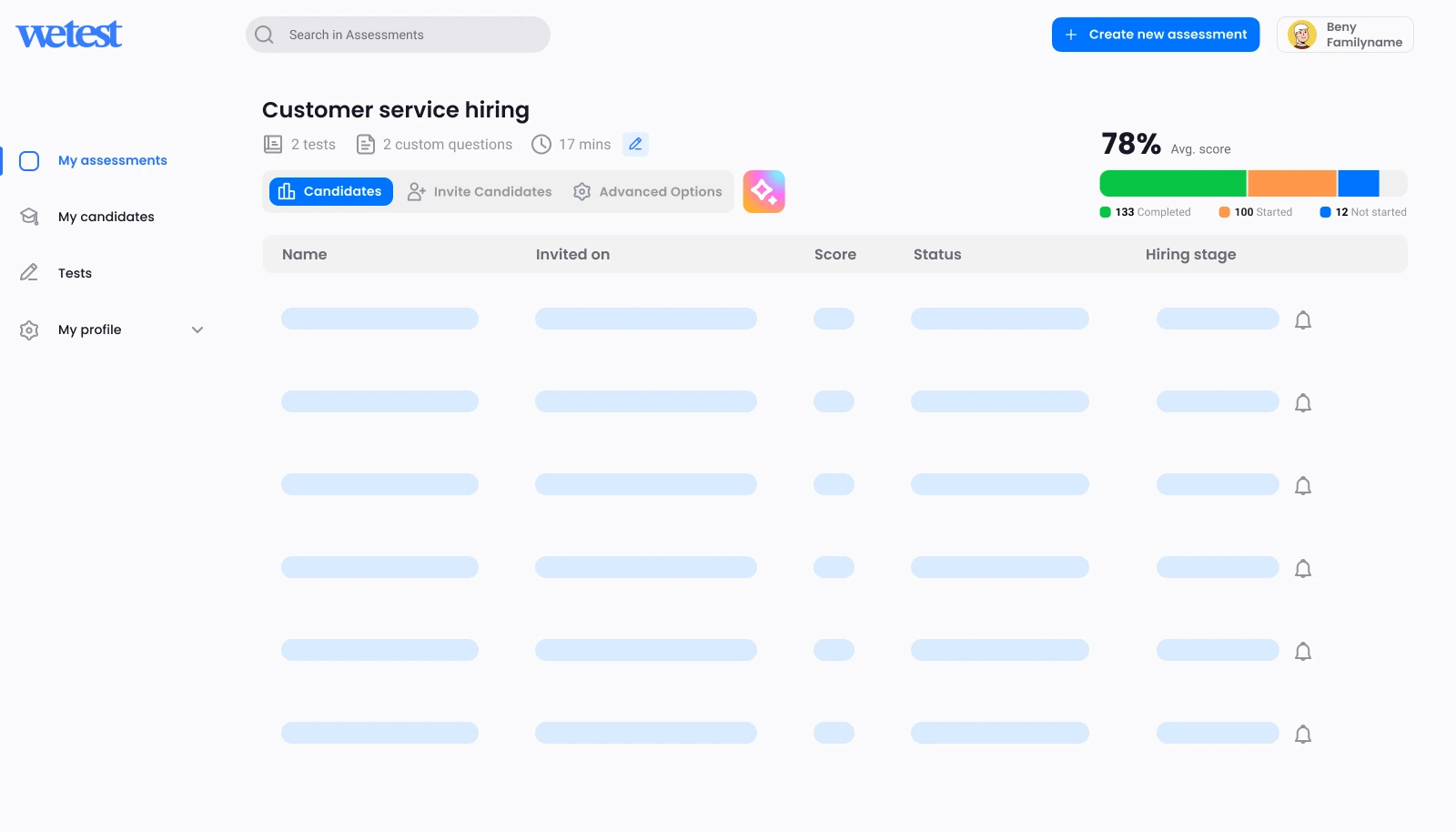
Use Wetest to spot candidates with the communication, judgment, and problem‑solving skills your patients and staff rely on every day.
Start with Free plan · Setup in under 5 minutes


Healthcare organizations face staff shortages, burnout, and rising patient expectations, which is hard to manage when hiring still relies on CVs, licenses, and short interviews.
One bad healthcare hire can easily consume around $25,000 in recruiting, onboarding, training, overtime, rework, and replacement costs.
Around 70% of what makes a great healthcare professional, like empathy, reliability, and judgment with real patients, never shows up in resumes and credentials.
Replacing a mis‑hire can take over 30 hours of extra supervision, performance reviews, interviews, and scheduling, while the rest of the team absorbs added workload.
Wetest helps you look beyond CVs to the skills that shape daily care: communication, empathy, reliability, and problem‑solving.
You can combine tests like Hospitality, Customer Service, Receptionist, Customer Service Representative, Communication, Cognitive Ability, Situational Judgment, and Teamwork & Problem Solving to mirror the demands of patient‑facing and support roles.
Instead of guessing how someone will interact with patients and colleagues, you see how they respond to realistic, healthcare‑style scenarios before you add them to the schedule.
Different managers and departments often value different traits, leading to inconsistent hiring decisions.
Wetest gives every candidate for a given role the same mix of skills, cognitive, and situational tests, such as Communication, Cognitive Ability, Time Management, Teamwork & Problem Solving, and Situational Judgment, so you can compare them on a common scale.
This supports fairer hiring, helps reduce bias, and makes it easier to explain decisions to HR, leadership, and, where relevant, compliance teams.
Healthcare roles often sit open too long because hiring teams have to balance urgency with due diligence. With Wetest, you send concise, role‑relevant assessments as soon as candidates apply or clear an initial screen, and results are scored and ranked automatically.
Recruiters and hiring managers can move quickly from application to interview‑ready shortlist, focusing time on candidates who have already shown they can think clearly, communicate well, and handle judgment‑based situations.
Every hire affects patient experience and team stress, from reception to back office.
By using tests like Customer Service, Receptionist, Hospitality, Customer Service Representative, and Communication, you identify people who can stay calm, explain clearly, and handle difficult conversations with empathy.
That reduces escalations, smooths hand‑offs between teams, and helps maintain a more stable, supportive environment for both patients and staff.
Weak hires show up in repeated patient calls, documentation errors, misrouted messages, and miscommunications between departments.
Combining skills tests with cognitive and problem‑solving assessments, such as Cognitive Ability, Problem Solving, Advanced Problem Solving, Time Management, and Business Analyst, helps you screen out candidates who struggle with detail, follow‑through, or complex workflows.
Your teams spend more time on meaningful care and less on fixing avoidable problems caused by poor fit.


Wetest combines science-backed tests, AI proctoring, and instant analytics — so you can screen every candidate fairly and hire with confidence.
Screen every applicant in minutes. Build multi-test assessments and let Wetest rank candidates automatically.
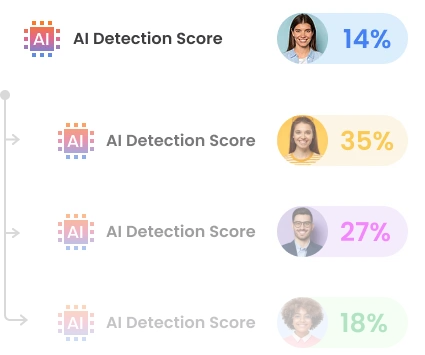
Catch AI and cheating in real time. Every result comes with a trust score you can rely on.
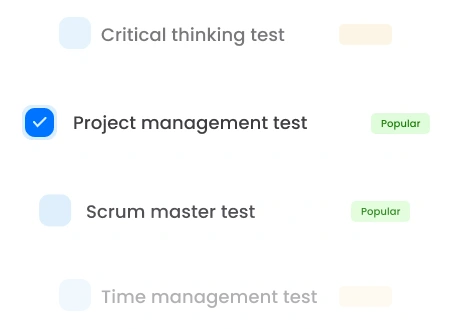
200+ science-backed tests. Cover skills, cognitive ability, language, and personality.
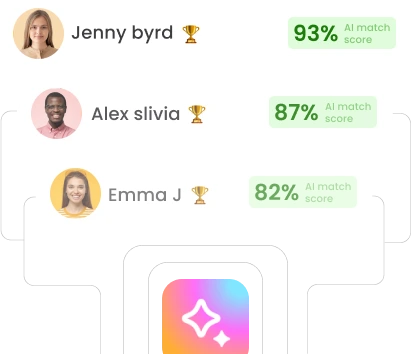
AI picks your top candidates. Wetest surfaces the best-fit applicants automatically — ranked and ready to hire.
Plug into your hiring stack. Native links to Greenhouse, Lever, Workday, and 20+ more.

Wetest can support health and healthcare providers across patient‑facing, administrative, and coordination roles. Here are common role groups and relevant tests for each.
Assesses how candidates manage arrivals, calls, and schedules while staying calm and professional.
Front DeskEvaluates how they handle questions, complaints, and concerns from patients and families.
Front DeskMeasures clarity, tone, and listening across phone, email, and face‑to‑face interactions.
Front DeskChecks their ability to juggle check‑ins, calls, and admin tasks during busy periods.
Patient SupportAssesses troubleshooting and issue resolution for appointment, billing, or care questions.
Patient SupportEvaluates service mindset and empathy in sensitive patient conversations.
Patient SupportEnsures they can work quickly and accurately with information and systems.
Patient SupportMeasures how clearly they explain complex information in simple terms.
Patient SupportReveals how they handle common but nuanced care coordination scenarios.
Health AdminAssesses how candidates prioritize tasks in busy clinical environments.
Health AdminMeasures their ability to resolve day‑to‑day operational issues without escalating everything.
Health AdminEnsures they can follow instructions, protocols, and information accurately.
Health AdminChecks their ability to relay messages and updates clearly between teams.
BillingAssesses practical skills for working with spreadsheets, reports, and reconciliations.
BillingEvaluates understanding of core accounting concepts relevant to billing and revenue.
BillingMeasures perception, judgment, and analysis skills for process and data‑focused work.
BillingEnsures they can work accurately with numbers and written information.
BillingShows how they handle discrepancies and process issues.
OutreachAssesses familiarity with CRM concepts for managing outreach and follow‑up programs.
OutreachEvaluates ability to design and optimize patient communication campaigns.
OutreachMeasures skills in managing community‑facing channels for health education and engagement.
OutreachTests how they gather and interpret insights about patients and communities.
OutreachEnsures clear, accurate, and sensitive messaging.
SupervisorsAssesses how leaders support teams, handle conflicts, and uphold standards.
SupervisorsEvaluates understanding of people's topics like scheduling, performance, and conduct.
SupervisorsMeasures how they balance patient experience, staff wellbeing, and operational constraints.
SupervisorsAssesses their ability to interpret information and make sound judgments.
Assesses how candidates manage arrivals, calls, and schedules while staying calm and professional.
Evaluates how they handle questions, complaints, and concerns from patients and families.
Measures clarity, tone, and listening across phone, email, and face‑to‑face interactions.
Checks their ability to juggle check‑ins, calls, and admin tasks during busy periods.
Assesses troubleshooting and issue resolution for appointment, billing, or care questions.
Evaluates service mindset and empathy in sensitive patient conversations.
Ensures they can work quickly and accurately with information and systems.
Measures how clearly they explain complex information in simple terms.
Reveals how they handle common but nuanced care coordination scenarios.
Assesses how candidates prioritize tasks in busy clinical environments.
Measures their ability to resolve day‑to‑day operational issues without escalating everything.
Ensures they can follow instructions, protocols, and information accurately.
Checks their ability to relay messages and updates clearly between teams.
Assesses practical skills for working with spreadsheets, reports, and reconciliations.
Evaluates understanding of core accounting concepts relevant to billing and revenue.
Measures perception, judgment, and analysis skills for process and data‑focused work.
Ensures they can work accurately with numbers and written information.
Shows how they handle discrepancies and process issues.
Assesses familiarity with CRM concepts for managing outreach and follow‑up programs.
Evaluates ability to design and optimize patient communication campaigns.
Measures skills in managing community‑facing channels for health education and engagement.
Tests how they gather and interpret insights about patients and communities.
Ensures clear, accurate, and sensitive messaging.
Assesses how leaders support teams, handle conflicts, and uphold standards.
Evaluates understanding of people's topics like scheduling, performance, and conduct.
Measures how they balance patient experience, staff wellbeing, and operational constraints.
Assesses their ability to interpret information and make sound judgments.
From role setup to final shortlist, Wetest streamlines every step of candidate screening, allowing you to create an assessment and identify top talent in minutes.
Choose the role, required skills, difficulty level, and whether you need AI proctoring, custom branding, or role-specific test questions.
Create assessmentChoose from ready-to-use tests for behavioral and role-specific skills.
Send branded assessment links, track completion, and let candidates complete structured screening from any device.
Invite candidatesEfficiently invite multiple candidates by uploading a bulk list.
Upload your listGenerate a link to share your assessment.
Copy assessment linkThe provided email address will be used solely for sending the assessment invitation.
Name Last name Email InviteReview ranked results, skill breakdowns, completion data, and proctoring signals so your team can move the right people forward.
View results
Your questions about smarter Healthcare Providers hiring, answered.
Wetest is not a replacement for clinical credential checks or specialty exams, but it can complement them by assessing non‑clinical skills such as communication, judgment, problem‑solving, and teamwork that affect patient experience and team performance.
No. You can send short assessments early in the process, and Wetest scores and ranks candidates automatically, helping you move quickly while still adding objective data to your decisions.
Yes. You can create role‑specific stacks, for example, Receptionist, Customer Service, and Communication for front desk, or Time Management, Teamwork & Problem Solving, and Cognitive Ability for clinical support roles.
Wetest provides clear score summaries and dashboards that make it easy to show how candidates performed on each test, so managers can discuss strengths and risks alongside interviews and references.
Wetest supports structured, documented evaluation by giving all candidates for a role the same assessments and criteria, helping you show that hiring decisions are based on job‑related skills and objective evidence.
Most role‑specific healthcare assessments can be kept within 10–25 minutes, so candidates can complete them between shifts or interviews without slowing down hiring.
Most healthcare candidates are used to structured hiring steps. When you explain that everyone for the role completes the same short assessment and that it helps compare candidates fairly, most accept it as a normal part of the process.
Yes. Many healthcare organizations begin with front desk, patient support, care coordination, or key non‑clinical roles, then expand once they see improvements in hiring quality and team stability.
Yes. You can reuse core tests like Communication, Situational Judgment, and Cognitive Ability across teams, then compare score patterns to see where standards differ and where extra support may be needed.
You can send assessment links as part of your existing workflow, so candidates complete them alongside your usual application or interview steps without extra manual tracking.

Launch a Wetest assessment for your next healthcare role and get a ranked, skills‑based shortlist before you commit interview time.