Top Time Management Interview Questions and Best Answers
Hiring & recruiting
Bonica
April 1, 2025
Did you know that more than 80% of people don’t use a formal time management system? This mistake causes the average worker to waste over 50% of their day on low-value tasks. These tasks include unnecessary meetings and too much time spent on emails.
Effective time management is a critical skill in today’s fast-paced work environment. To assess and enhance this competency, consider utilizing the time management test offered by WeTest. This assessment evaluates an individual’s ability to prioritize tasks, plan efficiently, and execute responsibilities effectively, ensuring that both personal performance and organizational productivity are optimized.
But, how can you manage your time and boost your success? Let’s look at some common time management interview questions and how you need to answer them. Moreover, we discuss some common time management challenges and how we can overcome them.
Key Takeaways
- Prioritize tasks effectively using tools like the Eisenhower Matrix to focus on high-impact activities and meet deadlines.
- Utilize productivity techniques such as time-blocking, the Pomodoro Technique, and batch processing to minimize distractions and maximize efficiency.
- Communicate clearly with stakeholders when managing competing priorities or adjusting deadlines to maintain transparency and trust.
- Use digital tools like Trello, Asana, and Google Calendar to organize tasks, track progress, and streamline workflows for better time management.
Table of Contents
Understanding Time Management
Time management is not just about organizing tasks. It’s about making smart choices that maximize productivity. It means identifying priorities, planning effectively, and staying focused on activities that matter. When you learn these key principles, you can reach your goals better and improve your work-life balance.

Strong time management helps productivity at work. When tasks are given priority and done with a clear goal, people waste less time and make meaningful progress. This not only improves personal performance but also helps the overall success of a company.
When you learn the fundamentals of time management, you can change the way you work. This will help you get more done in a shorter time.
Common Time Management Interview Questions and Best Answers
Here are 100 common time management interview questions and best answers:
General Time Management Questions
How do you prioritize your tasks?
I assess tasks based on urgency and importance, often using the Eisenhower Matrix to categorize them. This helps me focus on high-priority tasks while scheduling or delegating less critical ones.
How do you plan your day?
I start each morning by reviewing my priorities and creating a structured to-do list. I allocate specific time blocks for high-priority tasks while leaving some flexibility for unexpected work.
How do you balance short-term tasks with long-term goals?
I break long-term goals into smaller, actionable steps and integrate them into my daily and weekly schedule. This ensures consistent progress while keeping up with immediate responsibilities.
How do you handle multiple deadlines?
I assess each deadline’s urgency and complexity, then create a schedule that allows sufficient time for each task. I also set internal checkpoints to track progress and communicate with stakeholders if adjustments are needed.
How do you handle interruptions during work?
I set clear boundaries by designating focus periods where I minimize distractions. For unavoidable interruptions, I allocate specific times in the day to address them without disrupting high-priority work.
What is your approach to managing competing priorities?
I evaluate tasks based on their impact and deadlines, then adjust my schedule accordingly. If needed, I communicate with relevant stakeholders to align on expectations and ensure the most critical tasks are completed first.
How do you stay organized throughout the day?
I rely on digital tools like Trello and calendar reminders to track deadlines and progress. I also review my schedule periodically to stay on top of priorities and make adjustments if needed.
How do you decide which tasks to complete first?
I prioritize tasks that have tight deadlines and significant impact on outcomes. I also consider dependencies and ensure that tasks supporting larger projects are completed in a timely manner.
How do you plan for unforeseen tasks?
I allocate buffer time in my daily schedule to accommodate unexpected work. If necessary, I reassess my priorities to fit in urgent tasks without compromising important deadlines.
What is your strategy for finishing tasks on time?
I set clear milestones, break tasks into manageable steps, and track progress regularly. I also use reminders and deadline alerts to stay focused and ensure timely completion.
Productivity and Efficiency Questions

How do you maintain productivity throughout the day?
I use the Pomodoro Technique to work in focused intervals with short breaks in between. This helps me maintain concentration and prevent mental fatigue throughout the day.
How do you avoid procrastination?
I break tasks into smaller, manageable steps to make them feel more achievable. I also set deadlines and use accountability methods, such as reminders or progress tracking, to stay on track.
How do you minimize distractions?
I create a focused workspace by turning off unnecessary notifications, using productivity tools, and setting specific times to check emails or messages. This allows me to stay engaged in my work without frequent interruptions.
How do you handle information overload?
I organize information systematically using digital note-taking tools and categorize key details for easy access. I also set aside time to review and filter information to avoid feeling overwhelmed.
What is your approach to multitasking?
I prefer to focus on one task at a time to maintain quality and efficiency. When necessary, I prioritize tasks and use time-blocking to switch between them without compromising accuracy or productivity.
How do you maximize productivity during peak hours?
I identify the times of day when I’m most productive and schedule high-priority or complex tasks during those periods. This allows me to leverage my peak focus and efficiency.
How do you measure your productivity?
I set clear, measurable goals and track my progress using productivity metrics, such as completed tasks, deadlines met, or time spent on key projects. Regular reflection helps me identify areas for improvement.
How do you handle repetitive tasks efficiently?
I automate repetitive tasks where possible and batch similar tasks together to minimize context switching. This approach saves time and helps maintain efficiency.
How do you maintain focus during long tasks?
I break long tasks into smaller segments with defined milestones. Taking short breaks between sections keeps me engaged and prevents fatigue, ensuring sustained focus.
How do you manage your energy levels throughout the day?
I structure my tasks based on my natural energy levels, handling demanding work when I’m most alert. I also take strategic breaks, stay hydrated, and incorporate movement to sustain energy throughout the day.
Planning and Organization Questions

How do you plan weekly and monthly tasks?
I start by outlining key objectives and deadlines for the week or month. I break them into smaller tasks, prioritize them based on urgency and importance, and allocate time accordingly while keeping flexibility for adjustments.
How do you organize long-term projects?
I divide long-term projects into phases or milestones and set clear deadlines for each stage. I track progress using project management tools and adjust plans as needed to stay aligned with goals.
What tools do you use for planning and organization?
I use digital tools like Trello, Asana, and Google Calendar to manage tasks, set deadlines, and keep track of priorities. For personal organization, I also maintain structured to-do lists and notes.
How do you track your progress on goals?
I set measurable benchmarks and regularly review progress using productivity trackers. I also reflect on completed tasks and adjust strategies to stay on course.
How do you adjust your plans when priorities change?
I reassess tasks based on the new priorities, reorganize my schedule accordingly, and communicate with stakeholders if necessary. I also ensure that urgent tasks are addressed without compromising ongoing work.
How do you keep track of multiple tasks and deadlines?
I use task management tools to set reminders and track due dates. I also categorize tasks by priority and review my schedule daily to stay on top of deadlines.
How do you handle complex projects with many components?
I break down the project into smaller, manageable tasks and assign realistic deadlines. I also track dependencies, collaborate effectively with team members, and use project management software to maintain organization.
How do you ensure consistency in your workflow?
I establish structured routines, set clear goals, and follow a disciplined approach to completing tasks. Regular check-ins and workflow optimizations help maintain efficiency.
How do you prepare for meetings without affecting your schedule?
I review the agenda in advance, outline key points, and allocate time for preparation without disrupting critical work. I also schedule meetings strategically to minimize interruptions.
How do you balance planning with execution?
I allocate dedicated time for planning but avoid over-planning. I focus on actionable steps and maintain a balance by reviewing plans regularly while keeping execution as the priority.
Handling Pressure and Deadlines

How do you manage tight deadlines?
I break tasks into smaller steps, set clear priorities, and focus on the most impactful actions. I also eliminate distractions and use time-blocking to maximize efficiency.
How do you prioritize under pressure?
I assess tasks based on urgency and importance, ensuring that critical deadlines are met first. If needed, I adjust my workflow and delegate tasks to maintain efficiency.
How do you stay calm when overwhelmed?
I take a step back to assess the situation, break tasks into manageable parts, and focus on one step at a time. Deep breathing and short breaks also help maintain clarity.
How do you handle last-minute changes in deadlines?
I reassess priorities, adjust my schedule accordingly, and communicate any necessary changes with stakeholders. I also focus on efficiency without compromising quality.
How do you ensure quality under time constraints?
I prioritize essential details, use checklists to minimize errors, and allocate time for a quick review before finalizing work. If necessary, I seek input from colleagues to enhance accuracy.
How do you communicate deadline challenges to stakeholders?
I provide a clear update on progress, outline any obstacles, and offer potential solutions. If an extension is needed, I communicate early and suggest realistic alternatives.
How do you avoid burnout when managing multiple deadlines?
I pace my workload, take short breaks to recharge, and ensure a balance between high-intensity tasks and lighter activities. I also stay organized to reduce last-minute pressure.
How do you maintain accuracy under pressure?
I double-check critical details, use tools to verify my work, and stay focused on one task at a time to minimize errors. If possible, I allocate time for a final review.
How do you manage expectations during high-pressure situations?
I set realistic deadlines, provide transparent updates, and align priorities with stakeholders. Clear communication helps manage expectations while keeping productivity high.
How do you reflect on your performance after stressful deadlines?
I review what worked well, identify areas for improvement, and adjust my approach for future deadlines. I also take time to recharge before moving on to the next challenge.
Adaptability and Flexibility Questions

How do you handle unexpected changes?
I stay open-minded and assess the situation quickly. I adjust my priorities, focus on solutions, and communicate with relevant stakeholders to keep things on track.
How do you adapt to shifting priorities?
I evaluate the impact of the new priorities, reorganize my schedule accordingly, and ensure that critical tasks remain on track without disrupting overall productivity.
How do you manage conflicting deadlines?
I assess the urgency and importance of each deadline, communicate proactively with stakeholders if adjustments are needed, and use time management techniques to balance both effectively.
How do you stay productive during disruptions?
I stay focused on controllable aspects, break tasks into smaller parts, and use productivity techniques like time-blocking to regain momentum quickly.
How do you balance flexibility with structure?
I create a structured plan with room for adjustments, ensuring I have a clear workflow while remaining adaptable to unforeseen changes.
How do you maintain focus during unpredictable days?
I prioritize essential tasks, minimize distractions, and break work into manageable chunks to stay productive despite unexpected interruptions.
How do you reorganize your schedule in emergencies?
I assess the urgency of the situation, adjust my task list accordingly, and communicate any changes with those affected to maintain efficiency.
How do you respond to sudden workload increases?
I prioritize tasks, break them down into manageable steps, and, if necessary, seek support or delegate to ensure everything gets completed on time.
How do you adapt your workflow to new tools or processes?
I familiarize myself with the new tool or process, seek guidance if needed, and integrate it into my workflow gradually to ensure a smooth transition.
How do you balance planned and spontaneous tasks?
I allocate buffer time in my schedule for unplanned tasks while ensuring that essential responsibilities are completed on time.
Delegation and Collaboration Questions

How do you decide which tasks to delegate?
I assess tasks based on complexity, urgency, and expertise required. I delegate tasks that can be efficiently handled by others while focusing on high-priority responsibilities.
How do you communicate tasks when delegating?
I provide clear instructions, outline expectations, and ensure the person understands the task, deadline, and desired outcome. I also encourage open communication for any clarifications.
How do you follow up on delegated tasks?
I set check-in points, review progress periodically, and offer support if needed. I also ensure feedback is given to improve future collaboration.
How do you manage team deadlines?
I align deadlines with the team’s workload, set clear expectations, and monitor progress using project management tools to keep everything on track.
How do you handle team conflicts impacting productivity?
I address conflicts directly by facilitating open discussions, understanding different perspectives, and finding a resolution that aligns with team goals.
How do you collaborate on shared tasks without delays?
I establish clear roles, maintain open communication, and use collaboration tools like shared task boards to track progress and avoid bottlenecks.
How do you ensure accountability in team projects?
I define roles and responsibilities clearly, set measurable goals, and conduct regular check-ins to ensure everyone stays on track.
How do you balance individual and team priorities?
I align personal tasks with team objectives, communicate workload constraints, and adjust plans to ensure both individual and team goals are met efficiently.
How do you coordinate schedules in cross-functional teams?
I use shared calendars, schedule meetings at mutually convenient times, and keep communication streamlined to accommodate different teams’ workflows.
How do you maintain productivity in remote teams?
I utilize digital collaboration tools, set clear goals, and maintain regular check-ins to keep the team engaged and aligned despite working remotely.
Work-Life Balance Questions

How do you maintain work-life balance?
I set clear work hours, prioritize tasks efficiently, and make time for personal activities to maintain a healthy balance between professional and personal life.
How do you separate work and personal time?
I establish a structured schedule, set boundaries for work-related tasks, and disconnect from work emails or notifications outside of working hours.
How do you handle after-hours work requests?
I assess the urgency of the request and respond accordingly. If it’s not critical, I address it during work hours while communicating availability clearly.
How do you prioritize personal commitments with work demands?
I plan ahead, communicate my availability, and adjust my schedule when necessary to ensure that both work and personal priorities are met.
How do you recharge during busy work periods?
I take short breaks, engage in activities that help me relax, and ensure I get enough rest to maintain long-term productivity and focus.
How do you manage vacations without affecting productivity?
I plan ahead, delegate responsibilities if needed, and ensure all critical tasks are completed before taking time off. I also communicate my absence in advance.
How do you stay productive when working from home?
I create a dedicated workspace, set a structured schedule, and minimize distractions to stay focused and maintain productivity.
How do you manage time with multiple roles (e.g., parent and employee)?
I prioritize tasks, establish a flexible yet structured routine, and set boundaries to ensure both professional and personal responsibilities are managed effectively.
How do you prevent burnout while maintaining productivity?
I balance my workload, take breaks when needed, and practice self-care to sustain energy and focus in the long run.
How do you set boundaries to protect personal time?
I clearly communicate my working hours, avoid checking work-related messages outside of that time, and prioritize personal well-being to maintain a balanced lifestyle.
Personal and professional Development Questions

How do you evaluate your time management skills?
I assess my efficiency by tracking completed tasks, reviewing deadlines met, and identifying areas for improvement through self-reflection and feedback.
How do you learn from time management mistakes?
I analyze what caused the issue, adjust my approach, and implement strategies like better prioritization or improved scheduling to avoid repeating the mistake.
How do you seek feedback on your productivity?
I regularly ask colleagues and supervisors for constructive input on my efficiency and effectiveness, using their insights to refine my workflow.
How do you stay updated with new productivity tools?
I explore industry trends, read about the latest tools, and test new applications to integrate effective solutions into my time management system.
How do you develop better time management habits?
I set clear goals, establish routines, and consistently practice techniques like time-blocking and prioritization until they become second nature.
How do you motivate yourself to improve productivity?
I set personal challenges, track progress, and reward myself for achieving efficiency improvements to stay motivated and continuously grow.
How do you handle failures in time management?
I view failures as learning opportunities, analyze what went wrong, and adjust my approach to improve performance in future tasks.
How do you adapt to new time management trends?
I stay open to change, experiment with new methods, and adopt strategies that align with my workflow for enhanced efficiency.
How do you balance self-discipline with flexibility?
I set clear goals and structured plans while allowing room for adjustments when unexpected situations arise.
How do you celebrate productivity milestones?
I acknowledge achievements, reflect on progress, and reward myself with small breaks or personal incentives to maintain motivation.
Decision-Making and Problem-Solving Questions

How do you make quick decisions under time constraints?
I rely on my priority framework, past experiences, and available data to make informed decisions quickly while minimizing risks.
How do you solve time management conflicts?
I assess the root cause, adjust priorities, and negotiate realistic timelines to ensure efficient task completion without compromising quality.
How do you decide between competing high-priority tasks?
I evaluate each task’s impact, urgency, and alignment with overall goals to determine which one should take precedence.
How do you handle situations where you can’t meet a deadline?
I communicate the challenge as early as possible, offer alternative solutions, and work efficiently to minimize delays.
How do you manage decision fatigue?
I simplify routine decisions by automating or pre-planning them, allowing me to focus my mental energy on more complex choices.
How do you approach tasks with uncertain timelines?
I set tentative milestones, remain flexible, and continuously adjust plans based on new information or shifting priorities.
How do you prioritize when all tasks seem urgent?
I assess each task’s true impact on business goals, deadlines, and stakeholders, then address the most critical ones first.
How do you handle conflicting instructions from different supervisors?
I clarify expectations with both parties, identify potential conflicts, and propose a structured approach to address all priorities effectively.
How do you avoid overcommitting?
I evaluate my current workload before accepting new tasks and communicate realistic timelines to maintain efficiency.
How do you assess the effectiveness of your time management decisions?
I review completed tasks against set goals, analyze efficiency, and refine my strategies for continuous improvement.
Tools and Technology Usage Questions

What time management tools do you use?
I use tools like Asana for task management, Google Calendar for scheduling, and Notion for organizing notes and ideas efficiently.
How do you integrate digital tools into your workflow?
I select tools that sync across devices, allowing real-time updates and seamless transitions between tasks.
How do you deploy automation to save time?
I automate routine tasks like email sorting, report generation, and reminders to focus on high-impact activities.
How do you choose the right productivity tools?
I evaluate tools based on their features, ease of use, and how well they align with my workflow and team collaboration needs.
How do you use technology to collaborate efficiently?
I rely on platforms like Slack for instant communication and Google Workspace for real-time document collaboration to streamline teamwork.
How do you minimize digital distractions?
I use focus-enhancing apps that block distracting websites and schedule dedicated time blocks for deep work.
How do you organize digital files and information?
I maintain a structured folder system and use cloud storage for easy access, version control, and secure sharing.
How do you stay updated on new productivity technologies?
I follow productivity blogs, test emerging tools, and participate in industry forums to explore the latest advancements.
How do you manage digital communication effectively?
I set specific times to check emails and messages, ensuring I stay responsive without constant interruptions.
How do you ensure data security while using productivity tools?
I use encrypted platforms, enable two-factor authentication, and regularly update passwords to maintain security.
Comprehensive Guide to the STAR (Situation, Task, Action, Result) Method
The STAR method is a widely used framework for structuring responses in interviews. It allows candidates to provide clear, concise, and compelling answers. It stands for Situation, Task, Action, and Result. It is mainly used to guide people to describe real-life examples effectively.
By using this method, candidates can show their problem-solving abilities, organizational skills, and professional experience in a structured manner. This approach helps interviewers understand not just what you did, but also how you approached challenges and achieved outcomes.
- Situation: Describe the context or background of a specific event, challenge, or task.
- Task: Explain the responsibility or goal you had in that situation.
- Action: Detail the steps you took to address the challenge or complete the task.
- Result: Share the outcome of your actions, emphasizing any positive impact or lesson learned.
How to Apply the STAR Method for Answering Time Management Interview Questions?
Time management is a critical skill in the workplace, and interviewers often ask situational questions to assess a candidate’s ability to deploy different time management strategies. The STAR method helps craft well-structured responses that demonstrate strong time management skills.
For example, if asked how you handle multiple deadlines, your response might follow this format:
- Situation: “In my previous role, I was responsible for managing multiple client projects with overlapping deadlines.”
- Task: “I needed to ensure that each project was completed on time while maintaining high quality.”
- Action: “I used project management tools like Asana to track progress, set priorities based on deadlines and complexity, and proactively communicated with stakeholders to manage expectations.”
- Result: “As a result, I consistently met all deadlines, improved overall efficiency, and received positive feedback from both clients and management.”
Advanced Time Management Techniques

Mastering time management requires more than just a to-do list—it involves strategic planning and the use of effective techniques to maximize productivity. Below are some advanced time management methods that can help individuals and professionals optimize their workflow, minimize distractions, and achieve better results.
- The Eisenhower Matrix: Prioritizing Tasks by Urgency and Importance
Categorizes tasks into four quadrants based on urgency and importance, helping to focus on high-priority tasks while minimizing time spent on less critical ones. This method ensures strategic decision-making and efficient time allocation.
- The Pomodoro Technique: Enhancing Focus Through Time Blocking
Utilizes 25-minute focused work intervals followed by short breaks to maintain productivity and prevent burnout. This structured approach enhances concentration and promotes deep work.
- The 80/20 Rule (Pareto Principle): Focusing on High-Impact Activities
Suggests that 80% of results come from 20% of efforts, emphasizing the need to identify and prioritize high-impact tasks. By focusing on the most valuable activities, productivity and efficiency improve significantly.
- The ABCDE Method: Systematic Task Prioritization
Assigns tasks a priority ranking from A (most important) to E (least important), ensuring that critical responsibilities are addressed first. This structured prioritization helps eliminate procrastination and enhances decision-making.
- Time Blocking: Allocating Specific Time Slots for Tasks
Divides the day into dedicated time slots for specific activities, reducing distractions and improving efficiency. This method helps maintain focus on one task at a time, leading to better time management.
- Batch Processing: Grouping Similar Tasks for Efficiency
Groups similar tasks, such as responding to emails or making calls, into designated time blocks to minimize task-switching. This technique streamlines workflow and boosts overall productivity.
Top Time Management Apps and Software
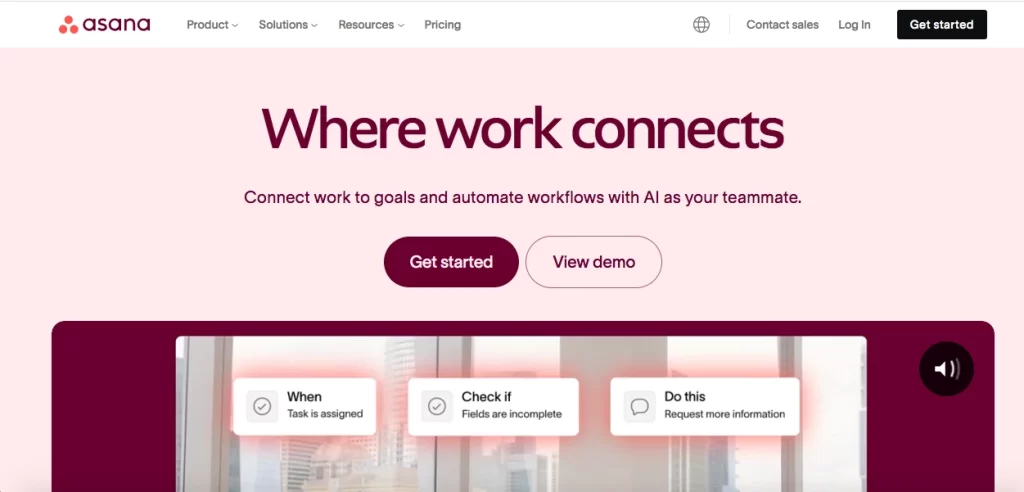
Time management tools help streamline daily tasks, improve focus, and enhance productivity by organizing schedules, tracking progress, and automating repetitive work. Below are some of the most effective apps for managing time efficiently:
- Trello: A visual task management tool that uses boards, lists, and cards to organize projects and track progress.
- Asana: A collaborative work management app that helps teams assign tasks, set deadlines, and monitor workflows.
- Todoist: A simple yet powerful to-do list app that enables users to prioritize tasks, set reminders, and track productivity.
- Google Calendar: A scheduling tool that integrates with other apps to plan events, set alerts, and manage appointments.
- RescueTime: A time-tracking app that analyzes daily habits, providing insights to optimize productivity and reduce distractions.
Final Thoughts
Time management is not just about answering interview questions. It plays a crucial role in achieving efficiency and balance in daily life. By setting priorities, planning effectively, and staying focused, employees can enhance their productivity and well-being.
In the work environment, handling tight deadlines, adapting to shifting priorities, and collaborating efficiently all rely on strong time management skills. Demonstrating these abilities in an interview and answering all time management interview questions effectively not only indicates your job readiness but also reflects a deeper understanding of professional success.
Hire the best candidates
with Wetest.
Create pre-employment assessments in minutes to screen candidates, save time, and hire the best talent.
Try for free