
Is Time Management a Soft Skill?
Hiring & recruiting
Bonica
December 20, 2024
Planning control over how you spend your time is a skill. It is done to be the most productive and achieve specific objectives.
Time management means setting priorities and goals. At work, it’s about using your time wisely to finish tasks on time and maintain balance.
When dealing with personal stuff or going after your dreams good time management is still essential for success.
We should understand if time management qualifies as a soft skill or not.
Hard skills are abilities like coding that are learned through training. Soft skills are interpersonal qualities that reflect how people interact with others. Examples include teamwork and problem-solving.
Time management bridges the gap between these two.
It involves technical tools and strategies like scheduling software and project management techniques. Its success relies heavily on soft skill traits.
This mix raises a question: Is time management a soft skill, a hard skill, or a bit of both?
How we classify time management is important in both personal and professional contexts.
Strong time management is linked to reduced stress and improved collaboration. Employers like it as a skill that improves efficiency and team dynamics.
Table of Contents
What Defines a Soft Skill?

These skills are the intangible abilities that shape how we interact with others and manage our work.
Soft skills are nuanced and personal. They help us use our hard skills in practice.
One of the defining characteristics of soft skills is their interpersonal nature. They show how well we can collaborate and understand others.
Communication skills enable us to share our thoughts clearly. Teamwork improves collaboration in achieving shared goals. Both these skills rely on understanding and connecting with others on a human level.
Another feature of soft skills is their adaptability. Being flexible and open to new challenges is essential. Adaptability helps us respond to shifting priorities and technological advancements. That’s why employers want workers who adapt to changes.
Soft skills are also universally applicable. Soft skills help us lead a team, negotiate with others, and manage our personal goals.
Problem-solving and decision-making are both considered soft skills. They need critical thinking and creativity to identify solutions and handle difficult situations.
Leadership skills are another example of soft skills that come with qualities like responsibility and understanding others.
The special thing about soft skills is how we develop them. We learn them through experience. We need to keep working on soft skills and be open to change. It reminds us of an evolution rather than a destination.
They bridge the gap between technical expertise and the ability to build relationships and solve problems.
Is Time Management a True Soft Skill?

Time management aligns closely with the defining traits of a soft skill. It is definitely more than just a technical ability.
Tools and strategies for managing time are considered hard skills. The true effectiveness of time management is in the interpersonal and adaptable qualities it demands.
Soft skills are about how we interact with others and handle different situations. Time management shows these traits. It involves maintaining focus amid distractions.
Imagine balancing multiple deadlines. You need to think critically to plan your time, let others know what you can do, and make sure you finish everything on time and to a high standard.
Being able to manage time also depends on self-discipline and emotional intelligence. These help us handle different priorities calmly.
Emotional Intelligence and Adaptability
EI plays a vital role in time management. It involves regulating emotions.
Stress from looming deadlines derail even the most organized schedules. However, emotionally intelligent people recognize these feelings. They stay calm and make choices to stay on track. This awareness is a key component of time management.
Plans rarely go perfectly! The ability to adjust and reprioritize tasks as conditions change shows flexibility. Adaptability ensures that time remains a manageable resource.
The Contrast with Hard Skills
Time management is largely a soft skill. It also has hard skill elements!
Tools like project management systems are technical components that require proficiency to be used effectively. However, they are only as valuable as the user’s ability to integrate them with emotional skills.
Knowing how to operate a project management app like Trello is a hard skill. Yet, the ability to prioritize tasks within that tool and delegate responsibilities with a team comes from soft skills.
Time management blends hard skills’ practicality with the relational strengths of soft skills.
The Value of Time Management in Modern Workplaces

Employers prioritize time management because it reduces stress and improves organizational efficiency.
Why Employers Value Time Management as a Soft Skill
Employers understand that time management is not just about meeting deadlines. They know it’s about ensuring resources.
Employees with strong time management skills are perceived as reliable and disciplined. These qualities translate into higher performance.
Time management also shows the ability to prioritize tasks based on urgency. It is a critical competency at work where demands change quickly.
Techniques to Develop Time Management as a Soft Skill

Developing time management means developing good habits, understanding yourself, and being flexible but disciplined.
We should learn some practical methods to improve this skill.
Proven Time Management Methods
One popular technique is the Eisenhower Matrix. It helps us prioritize tasks based on urgency and importance.
This method focuses on the most important tasks and delegates or eliminates less important ones easily.
Another strategy is the Pomodoro Technique. It breaks work into 25-minute focused intervals separated by short breaks.
This method improves concentration and helps us maintain energy and avoid burnout during hard schedules.
Creating to-do lists and ranking them by priority is another technique we can name Task Prioritization.
Digital tools like Todoist help in organizing tasks. The effectiveness comes from the ability to make decisions about where to put time and effort.
Mindfulness and Self-Awareness

Practicing mindfulness comes from being present at the moment. It allows us to better assess our priorities without feeling stressed.
Meditation or journaling improves this awareness. It helps everyone find distractions and stay committed to their goals.
Self-awareness also plays a role in understanding personal productivity patterns.
Some people find they are most focused in the morning. Others are more productive in the evening. Doing challenging tasks when you’re most energetic helps you work and use your time better.
Flexibility with Discipline
Time management needs a balance between sticking to a schedule and being adaptable to change.
Adding extra time to your schedule for unexpected things helps you stay flexible and still get things done.
We have to learn to set boundaries. We should be able to limit meeting durations and use techniques like time-blocking to schedule specific times for focused work.
Using these methods with regular self-assessment leads to steady improvements in time management skills.
Challenges in Time Management

Developing good time management skills is challenging. Many factors serve as barriers to our time management.
Procrastination is the first obstacle. It’s a habit that comes from our psychology.
Procrastinators delay tasks not due to laziness but because of perfectionism and fear of failure.
We need self-discipline and an awareness of what triggers it. Strategies like breaking tasks into smaller steps to get started help a lot.
Distractions also pose a challenge. With the ping of notifications, we have a hard time focusing easily.
This needs a dedicated workspace and practicing concentration techniques.
Cultural and Organizational Influences
Some cultures value flexibility over strict schedules. While this approach improves creativity, it complicates efforts to develop time management habits.
Excessive meetings or an overemphasis on multitasking also makes time management harder.
A workplace culture that expects people to be available all the time also makes it hard for them to set boundaries. It makes time management even more difficult.
Hybrid and remote jobs introduce extra complexities. Without a clear separation between work and personal life, boundaries are blurred and productivity is gone.
Why Time Management Stands Out Among Soft Skills

Time management distinguishes itself from other soft skills due to its universal relevance and profound impact.
Universal Applicability Across Industries and Roles
Time management is essential in virtually every profession. It’s critical for maintaining a high standard of work.
Even in creative fields like design, time management is vital for balancing innovation with timely delivery.
It is equally critical for leadership roles. Leaders have to balance strategic planning, managing teams, and daily tasks.
Contribution to Personal Growth

Time management plays a transformative role in personal development.
Learning to prioritize tasks encourages clarity in goals while meeting deadlines builds confidence.
Time management helps us recover from setbacks and challenges more easily.
When we manage our time well, we are better equipped to handle difficulties without feeling stressed.
Why It Outshines Other Soft Skills
Skills like teamwork or problem-solving depend on time management to be executed well.
Clear communication needs time for preparation. Successful teamwork depends on coordinated schedules.
It is inherently a soft skill due to its interpersonal and adaptable nature. Time management also involves using hard skills like scheduling tools and task management software. This duality improves its importance. It’s a versatile asset!
A Quora Rundown
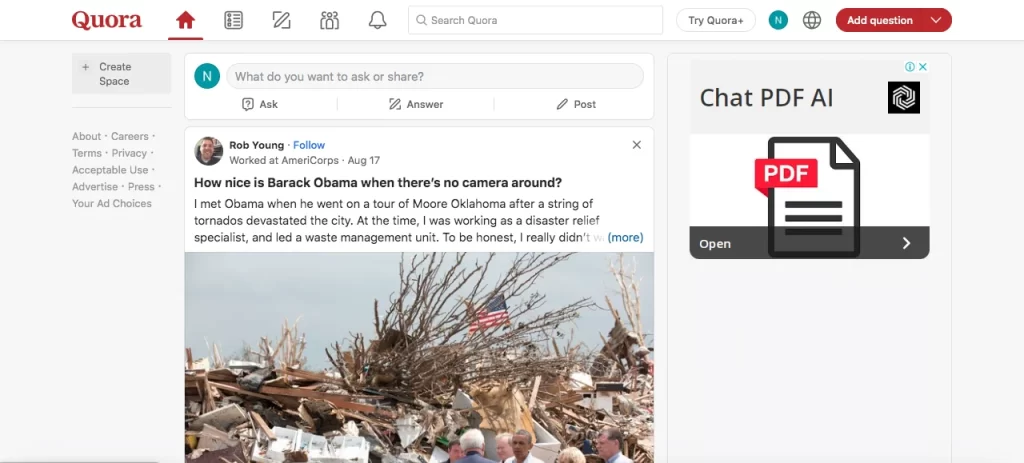
Quora users have some advice for those seeking to improve their time management with soft skills training.
Proactive Time Management
One popular recommendation comes from Leader’s Book Club. They discuss the importance of a proactive approach to time management rather than a reactive one.
Inspired by Brian Tracy’s Eat That Frog, this strategy is learning to say no gracefully. They believe that every “yes” to an unnecessary task is a “no” to your priorities.
They suggest saying no politely by thanking the person and explaining why you’re busy. This approach preserves relationships and keeps you focused on priorities.
Batching Tasks and the 2-Minute Rule
Another user uses a mix of the batching method and the 2-minute rule to tackle tasks.
The batching method groups similar tasks together to complete them in one go. It minimizes the mental load of switching between different activities.
The 2-minute rule helps overcome inertia. Starting a task in two minutes leads to completing it without hesitation.
Time Logs for Self-Awareness

Project manager Teresa recommends starting with a time log to understand how you spend your day. You should track activities for a week to find patterns and areas for improvement.
This approach allows for adjustments. It helps you structure your days more effectively. Tools like an enterprise time tracking tool can make this process significantly easier and more insightful.
She outlines a cycle of logging, analyzing, planning, executing, and reviewing! It is a systematic method for time management improvement.
Visualizing the Day with Time Blocking
Akshat Hatwal introduces a dynamic variation of time blocking inspired by Cal Newport’s “How to Become a Straight-A Student”.
He suggests making a flexible daily plan by setting aside time for important tasks and being ready to change the plan as needed.
This process ensures a balance between planning and adaptability. It helps us stay organized while dealing with unexpected things.
The Role of Assertive Communication

According to Leader’s Book Club, setting boundaries helps you focus and shows others that you respect their time, too.
You can say, “Thank you for considering me for this task. At the moment, I’m fully committed to my own job, but I’d be happy to revisit this in the future or suggest alternatives.”
This strategy helps professionals say no without upsetting people.
Balancing Ambition and Realism
Director Gilad Ehven says it’s important to set a realistic outlook on time management goals.
Even small improvements in time management make a big difference for busy men. For those with less pressure, time management helps them enjoy life more.
From Overcommitment to Focus
Dr. Vijay Jain thinks delegating tasks is a good strategy.
We should assign tasks to team members based on their strengths. We free up time for priorities and improve collaboration.
This approach reduces the workload and helps teams to function more cohesively.
Conclusion
Time management is a soft skill that affects every aspect of personal and professional life.
We should consider its impact on stress reduction and personal growth. We should also take its universal applicability across industries into account.
It is a combination of good habits, self-control, and the right mindset. Tools like prioritization, time blocking, and delegation, along with a focus on adaptability and continuous improvement, prove this skill evolves with experience.
Time management turns dreams into tangible achievements.
The consensus is clear: Learning this skill is crucial in going through the complexities of modern life.
Hire the best candidates
with Wetest.
Create pre-employment assessments in minutes to screen candidates, save time, and hire the best talent.
Try for free