Employee Exit Process: Steps for a Smooth Offboarding
Employee relations
Bonica
April 29, 2025
Employee offboarding is an important part of managing the employee lifecycle. It’s the formal exit process that helps departing employees transition and protects the company’s interests.
A good employee exit process helps maintain business operations and protects intellectual property. It preserves company knowledge and improves the employer brand.
A smooth transition during offboarding involves treating exiting employees with the same care and respect as during onboarding.
Employee offboarding enables companies to recover company assets and secure sensitive data by turning off access to internal systems and changing passwords.
It also provides a structured way to conduct exit interviews.
Following best practices for employee exits has big advantages. HR teams will ensure that knowledge transfer and asset recovery comply with legal obligations.
This minimizes operational disruptions and helps with potential boomerang employees! Those who may return to the organization with renewed energy.
This transition supports the company’s growth by allowing departing employees to share insights that otherwise get lost.
Writing down procedures and transferring knowledge helps lessen the impact of turnover and keeps important projects on track.
Offboarding is about both handling current changes and preparing the organization for the future.
Using technology through HR software and digital offboarding platforms automates many of the routine tasks. These tools offer features like automated workflows and digital signatures.
Table of Contents
Key Takeaways
- A proper offboarding process ensures minimizes risks for the company and employees.
- HR managers should create detailed checklists and prioritize knowledge transfer to retain valuable opinions.
- Using technology and automation facilitates the offboarding process.
- Regularly reviewing data and metrics helps improve offboarding practices.
Employee Offboarding Basics

Employee offboarding is the formal process of transitioning an employee out of an organization. It is about a comprehensive exit process beyond terminating an employment contract.
A basic termination is simply an end to job duties. HR offboarding involves a structured set of procedures designed to bring a respectful and secure exit.
Offboarding is essential for making sure the organization stays trustworthy.
The employee exit process has several key components. When an employee chooses to leave, they typically submit a resignation letter and take part in exit interviews to share their feedback.
When termination occurs legal compliance checks and security protocols are implemented, and access to a Supreme Court case law database helps HR understand legal precedents in employment disputes.
HR offboarding is about managing risk while preserving institutional knowledge. This means recovering company property like badges and confidential documents along with ensuring that any critical work in progress is transferred to remaining team members.
Good offboarding involves lots of communication. HR and payroll work together to make sure everyone is on the same page and the process is clear.
This collaboration minimizes the disruption. Every departing employee should have a clear understanding of the offboarding timeline and the required steps.
Why Offboarding Matters
It is essential for any company looking for a bright future and to keep its competitive edge.
There’s always a chance that proprietary information could be compromised when an employee leaves. A rigorous HR offboarding process includes detailed checklists. These measures are crucial for reducing risks.
Departing employees take with them a wealth of institutional knowledge. A structured exit process ensures that project details are documented and transferred to the current team.
The standard operating procedures show what is working well and where improvements are needed.
A good exit process turns leaving employees into company ambassadors. Companies that invest in HR offboarding practices see improved morale among remaining staff.
The employee exit process is not just a formality! It is an opportunity to build long-lasting relationships.
Pre-Offboarding Preparations

The first step is to figure out why the employee is leaving. Customizing your HR offboarding strategy to the specific situation makes the offboarding checklist perfect.
The process focuses on capturing feedback and celebrating contributions for voluntary resignations.
Involuntary terminations require additional attention to legal offboarding measures to mitigate potential risks.
Retirement gives a special chance for a meaningful farewell and comprehensive legacy planning.
Knowing the type of exit helps HR tailor the offboarding process to meet the employee’s and the company’s needs.
Automated systems and HR software help standardize understanding of why people are leaving. It helps the remaining staff feel more secure.
Legal Checklist
Start by reviewing local employment laws and contractual obligations. They vary significantly by jurisdiction and industry.
Verify that all aspects of the employee exit process comply with requirements. Employers must also address specific contractual commitments.
The offboarding checklist should include detailed steps for processing final paychecks and any applicable bonuses or severance packages.
HR teams must collaborate closely with legal advisors to ensure that all documentation is complete.
Knowledge Transfer Blueprint
Departing employees leave behind daily operational ideas and critical project details that are essential for continuity. Documenting daily tasks and current projects is vital.
The exit process should include the development of recorded handover sessions and interactive checklists that show all key responsibilities.
This blueprint facilitates the transition for the remaining team and minimizes the operational gaps that occur when a knowledgeable employee exits the company.
Best practices will be preserved and used to train new hires or other team members to take on additional responsibilities.
Automated reminders and digital checklists help guarantee that the documentation process is completed before the employee’s final day.
The Step-by-Step Offboarding Process

It starts with a planned communication strategy that controls how the exit is presented inside and outside the company.
It’s crucial to notify managers and colleagues along with other relevant stakeholders as soon as an employee’s departure is confirmed.
This clear internal communication minimizes rumors and ensures that everyone is aligned on the next steps.
The strategy must address how clients and partners as well as vendors are informed. A thoughtful plan includes personalized messages and introductions to new points of contact.
Managing the exit narrative with transparency and empathy is key to building trust.
Offboarding Tasks
A detailed exit checklist for administrative offboarding is essential for overall security.
HR teams must systematically collect all company property and access cards. Revoking system access includes deactivating email accounts and terminating access to internal databases.
Finalizing payroll is another important administrative task. It covers accrued leave and bonuses along with any severance pay.
Exit Interviews

Interviews facilitate feedback collection. The exit interviews give companies honest feedback on the workplace and how well everything is running.
These interviews should be a conversation where the employee feels comfortable sharing good and bad experiences.
A successful exit interview includes open-ended questions. Asking about communication and support during offboarding provides feedback that leads to changes.
This feedback loop benefits the company by showing potential areas for policy refinement.
You should analyze trends and common themes from these discussions. HR professionals can implement targeted initiatives that improve retention.
Post-Exit Engagement
The exit process doesn’t end on the final day! Creating an alumni network or a boomerang program helps keep the connection going.
Such programs encourage former employees to remain engaged with the company.
Alumni networks are a resource for referrals and rehires. Treating former employees well makes them more likely to be company cheerleaders.
It creates an open channel for continuous dialogue and allows the company to benefit from the expertise of former team members.
Measuring Offboarding Success

Companies evaluate the effectiveness of their offboarding practices using targeted key performance indicators.
Make sure you are following local employment laws and contracts. Tracking these metrics helps reduce the risk of lawsuits.
Evaluate the completeness and timeliness of documentation related to standard operating procedures.
Measure the percentage of departing employees who later return as boomerang employees. A positive offboarding experience improves future rehires.
Integrate data analytics tools within your HR software. Use dashboards that aggregate offboarding data to identify patterns and benchmark performance against industry standards.
Regularly review these KPIs in team meetings to discuss actionable ideas.
A Quora Rundown
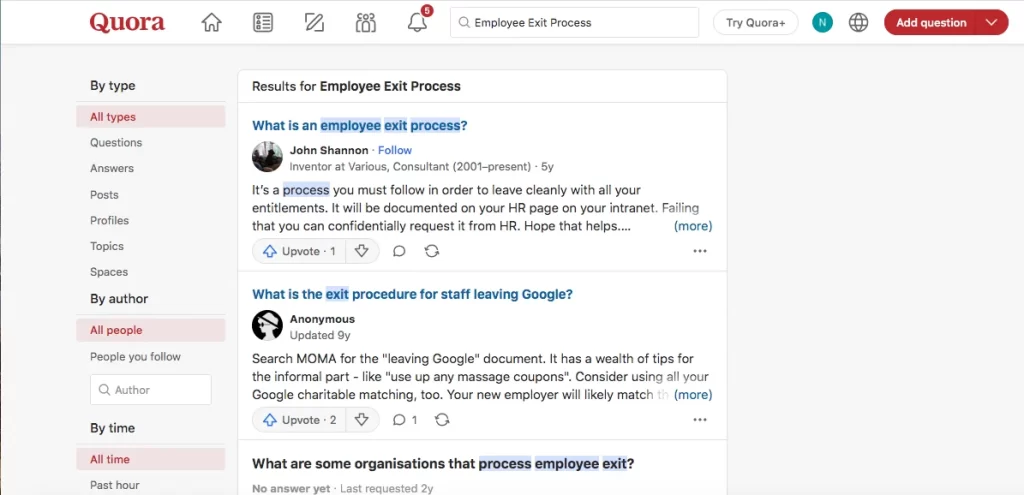
This summary of Quora users’ experiences provides a new look at how companies manage the employee offboarding process.
Structured Process
Shayanne Hill notes that “Employee offboarding is the final step in the employee lifecycle. It is also one of the most neglected or underrated subfunctions of HR.” Hill’s opinion reminds us that a planned exit prevents bitter feelings. Her checklist approach ranges from creating an offboarding checklist to planning a farewell.
Krishi Jain points out that transferring roles and deactivating business accounts are all crucial steps. He notes that offboarding improves networking and increases the chances of rehiring talents.
Professional Considerations

Keith Miller offers a reminder, “Speak to your HR department for advice. If you don’t have an HR department, speak to your CEO for advice.”
Miller warns that mishandling offboarding leads to costly litigation. He stresses the importance of professional guidance and training. He advises companies to seek external expertise if needed. Miller’s advice is a wake-up call! Offboarding isn’t an area for amateurs! A few hours of professional training prevent expensive errors.
William Hurley provides a detailed approach to dismissals. He discusses documented communication with the employee in person and via a follow-up email. Hurley’s method covers everything from setting expectations about final paychecks and benefits such as COBRA and retirement plans to involving legal counsel for termination agreements.
Communication and Engagement
Jodie-Beth Galos tells a story about a company retreat where people not getting along led to a bad career move. Her post is about how people act at these events. It shows that even when someone’s leaving a job how they’re treated can affect the company’s reputation later on.
Judith Blair brings another dimension to the conversation. He suggests that regular check-ins reduce the need for dramatic offboarding sessions. He believes consistent engagement with employees helps find potential issues before they get worse.
Technology and Automation
Sarah Ward points out that “offboarding is the reverse of onboarding,” and emphasizes the role of automated tools such as Binadox Teams.
Ward’s post shows how digital HR solutions facilitate a transition by automating tasks and ensuring that no critical step is overlooked.
HR Policy and Documentation

Iris Sasaki offers a view on the documentation aspect of offboarding. She explains that employee handbooks and policies seem mundane but they are crucial for consistency during an employee’s exit.
Sasaki notes, “most companies do not volunteer to have their employee handbooks out there,” yet providing these documents when requested helps a departing employee understand their rights and obligations.
Conclusion
The offboarding process is a strategic opportunity to protect your company and strengthen your employer brand.
We have emphasized the importance of a comprehensive HR offboarding strategy.
Each step is important for protecting company assets and keeping valuable company knowledge.
Digital HR solutions and offboarding automation tools facilitate these processes. They ensure consistency and security.
An offboarding checklist ensures that departing employees leave on a positive note. This minimizes the negative impact of turnover and brings potential boomerang employees.
HR managers and business leaders should review their current offboarding practices. Now is the time to adopt a structured approach to the employee exit process.
Hire the best candidates
with Wetest.
Create pre-employment assessments in minutes to screen candidates, save time, and hire the best talent.
Try for free