Screening & Assessments
Screen every applicant in minutes. Build multi-test assessments and let Wetest rank candidates automatically.
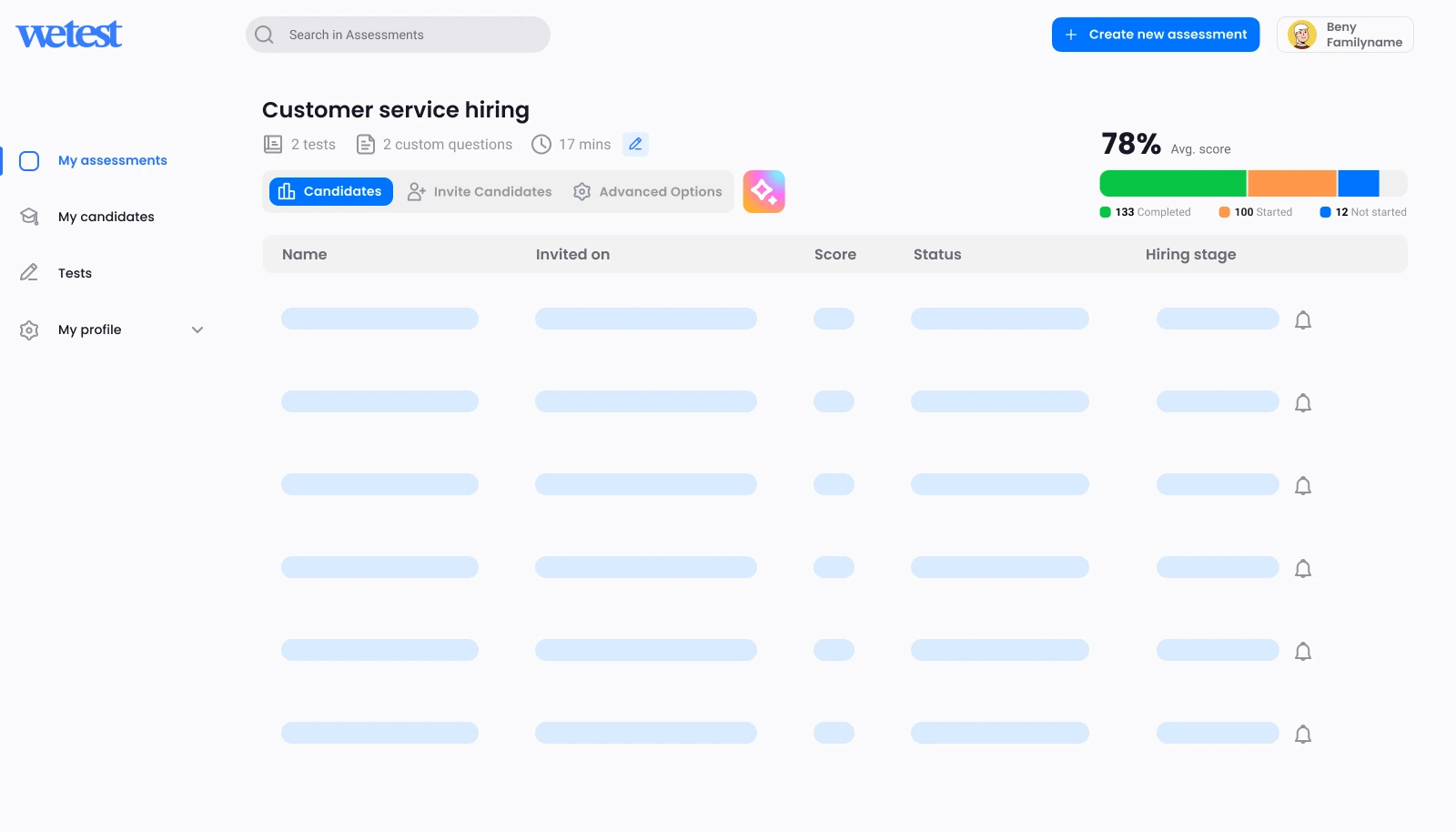
Use Wetest to see how candidates teach, communicate, and solve real learning challenges before you hire.
Start with Free plan · Setup in under 5 minutes


Seeing where weak hiring hurts learners is the first step to building stronger education teams.
One bad hire in education or EdTech can easily consume around $18,000 in recruiting, onboarding, training, lost impact, and replacement.
Around 70% of education and EdTech candidates can look fine on paper, but their real teaching, communication, and problem‑solving only show up once they are working with learners.
Replacing a mis‑hire can take more than 20 hours of recruiting, interviews, onboarding, and rebuilding trust for the same teaching or EdTech role.
Wetest helps you look past degrees, institution names, and impressive portfolios to the skills that actually shape learning outcomes: explaining clearly, structuring content, adapting to different learners, and making sound decisions in the moment.
You can combine tests like Communication, Critical Thinking, Cognitive Ability, Verbal Ability, and Project Management to reflect the mix of teaching, content design, and cross‑functional work in education institutions and EdTech companies.
Instead of guessing from interviews whether someone can plan lessons, guide learners, or collaborate with product and support, you see how candidates read, reason, and respond to realistic learning scenarios before they meet your students or users.
Academic leaders and product heads cannot run deep screens on every applicant, yet one wrong hire can disrupt courses, cohorts, or customer success programs.
With Wetest, you send a targeted assessment link as soon as candidates apply or clear an initial screen, and their results are scored and ranked automatically.
Hiring teams receive a focused shortlist of people who have already shown strong communication, reasoning, and planning, so interview time is spent exploring teaching philosophy, values, and role‑specific expectations rather than basic capability.
Hiring decisions in education and EdTech are often scrutinized by leadership, HR, and sometimes boards, regulators, or funding bodies.
Wetest gives every candidate for a role the same structured mix of skills and situational tests, so you are comparing like with like instead of relying on who presents best in an interview.
This consistency reduces bias, supports fair access for candidates from diverse backgrounds, and gives you a clear, documented basis for explaining why some candidates advanced and others did not.
Every hiring decision ultimately shows up in learner progress, completion rates, and how confident students or customers feel using your content or product.
By using tests like Communication, Verbal Ability, Numerical Reasoning, Business Analyst, and Customer Service, you identify candidates who can explain complex ideas simply, interpret data about learner performance, and respond constructively when people struggle.
That leads to clearer lessons, fewer confused learners, better use of analytics, and a more consistent experience across classes, cohorts, and programs.
Weak hiring becomes visible in lesson plans that constantly need rewriting, learning content that confuses rather than clarifies, and support teams that spend their days undoing avoidable misunderstandings.
Combining skills tests with problem‑solving and planning assessments, such as Advanced Problem Solving, Project Management, Time Management, and Leadership & Management for senior roles, helps you filter out candidates who struggle with complexity, follow‑through, or ownership.
Your teams spend more time improving curricula, building better learning journeys, and supporting learners, and less time fixing content, chasing overdue tasks, or coaching people who are not ready for the role.


Wetest combines science-backed tests, AI proctoring, and instant analytics — so you can screen every candidate fairly and hire with confidence.
Screen every applicant in minutes. Build multi-test assessments and let Wetest rank candidates automatically.
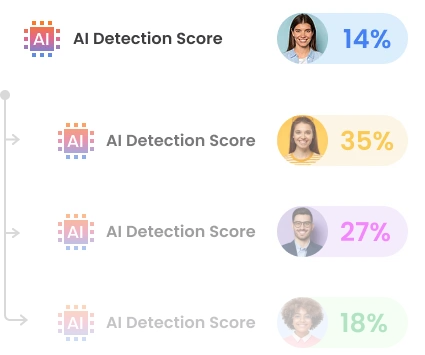
Catch AI and cheating in real time. Every result comes with a trust score you can rely on.
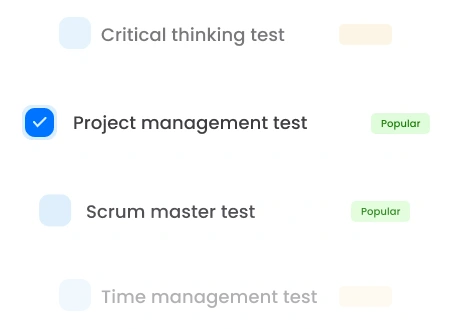
200+ science-backed tests. Cover skills, cognitive ability, language, and personality.
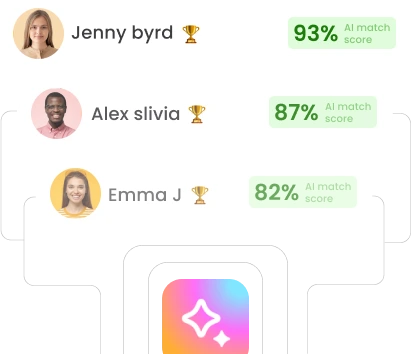
AI picks your top candidates. Wetest surfaces the best-fit applicants automatically — ranked and ready to hire.
Plug into your hiring stack. Native links to Greenhouse, Lever, Workday, and 20+ more.

Wetest can support schools, universities, training providers, and EdTech companies across teaching, content, product, and support roles. Here are key test categories and how they help.
Checks comfort with numbers and basic calculations, useful for interpreting assessment data, budgets, and performance metrics.
Cognitive SkillsMeasures how quickly candidates learn, spot patterns, and adapt to new curricula, tools, and processes.
Cognitive SkillsTests how well people evaluate information and arguments, important for evidence‑based teaching and content decisions.
Cognitive SkillsPresents realistic education scenarios to reveal judgment on fairness, escalation, and learner impact.
Cognitive SkillsAssesses mental flexibility and switching between tasks, helpful for juggling teaching, prep, and collaboration.
Cognitive SkillsProvides a broad signal of general reasoning and learning potential in complex education environments.
Teaching & SupportAssesses clarity and tone in written and spoken responses, directly relevant to explaining ideas and giving feedback.
Teaching & SupportEvaluates reading precision and language use, important for working with curricula, research, and written content.
Teaching & SupportFocuses on handling questions and concerns professionally, mirroring interactions with learners, parents, or partners.
Teaching & SupportTailored to front‑line roles managing learner or customer queries about access, schedules, and programs.
Teaching & SupportEvaluates how candidates troubleshoot and guide users, suited to EdTech support for platforms and tools.
Teaching & SupportTests follow‑up and relationship handling, relevant for admissions, partnerships, or enterprise EdTech accounts.
Teaching & SupportMeasures organization and basic communication for reception roles greeting students, parents, or visitors.
People & DeliveryLooks at planning and coordinating multi‑step work, such as course launches, rollouts, or accreditation projects.
People & DeliveryEvaluates prioritization and scheduling, essential for managing teaching loads, deadlines, and content releases.
People & DeliveryAssesses delegation, feedback, and oversight skills for heads of department, team leads, and managers.
People & DeliveryTests basic HR and people‑management understanding for education leaders handling hiring and performance.
People & DeliveryExplores how a person’s values and style can positively contribute to your existing education culture.
People & DeliveryAssesses awareness of others’ feelings and self‑regulation, important for sensitive learner and team interactions.
People & DeliveryLooks at what drives candidates and how they persist, relevant for demanding teaching and EdTech roles.
Language & AnalysisMeasures practical workplace English, ensuring staff can handle everyday instructions and interactions.
Language & AnalysisAssesses advanced English for complex communication, key for teaching, content creation, and academic work.
Language & AnalysisTests process and data understanding, useful for roles shaping learning journeys and EdTech products.
Language & AnalysisEvaluates how candidates gather and interpret market or learner insights to inform programs and products.
Language & AnalysisChecks ability to produce and format documents, important for syllabi, reports, and learning materials.
Language & AnalysisAssesses how people prepare and reach agreements, relevant for managing partnerships, contracts, and resources.
Checks comfort with numbers and basic calculations, useful for interpreting assessment data, budgets, and performance metrics.
Measures how quickly candidates learn, spot patterns, and adapt to new curricula, tools, and processes.
Tests how well people evaluate information and arguments, important for evidence‑based teaching and content decisions.
Presents realistic education scenarios to reveal judgment on fairness, escalation, and learner impact.
Assesses mental flexibility and switching between tasks, helpful for juggling teaching, prep, and collaboration.
Provides a broad signal of general reasoning and learning potential in complex education environments.
Assesses clarity and tone in written and spoken responses, directly relevant to explaining ideas and giving feedback.
Evaluates reading precision and language use, important for working with curricula, research, and written content.
Focuses on handling questions and concerns professionally, mirroring interactions with learners, parents, or partners.
Tailored to front‑line roles managing learner or customer queries about access, schedules, and programs.
Evaluates how candidates troubleshoot and guide users, suited to EdTech support for platforms and tools.
Tests follow‑up and relationship handling, relevant for admissions, partnerships, or enterprise EdTech accounts.
Measures organization and basic communication for reception roles greeting students, parents, or visitors.
Looks at planning and coordinating multi‑step work, such as course launches, rollouts, or accreditation projects.
Evaluates prioritization and scheduling, essential for managing teaching loads, deadlines, and content releases.
Assesses delegation, feedback, and oversight skills for heads of department, team leads, and managers.
Tests basic HR and people‑management understanding for education leaders handling hiring and performance.
Explores how a person’s values and style can positively contribute to your existing education culture.
Assesses awareness of others’ feelings and self‑regulation, important for sensitive learner and team interactions.
Looks at what drives candidates and how they persist, relevant for demanding teaching and EdTech roles.
Measures practical workplace English, ensuring staff can handle everyday instructions and interactions.
Assesses advanced English for complex communication, key for teaching, content creation, and academic work.
Tests process and data understanding, useful for roles shaping learning journeys and EdTech products.
Evaluates how candidates gather and interpret market or learner insights to inform programs and products.
Checks ability to produce and format documents, important for syllabi, reports, and learning materials.
Assesses how people prepare and reach agreements, relevant for managing partnerships, contracts, and resources.
From role setup to final shortlist, Wetest streamlines every step of candidate screening, allowing you to create an assessment and identify top talent in minutes.
Choose the role, required skills, difficulty level, and whether you need AI proctoring, custom branding, or role-specific test questions.
Create assessmentChoose from ready-to-use tests for behavioral and role-specific skills.
Send branded assessment links, track completion, and let candidates complete structured screening from any device.
Invite candidatesEfficiently invite multiple candidates by uploading a bulk list.
Upload your listGenerate a link to share your assessment.
Copy assessment linkThe provided email address will be used solely for sending the assessment invitation.
Name Last name Email InviteReview ranked results, skill breakdowns, completion data, and proctoring signals so your team can move the right people forward.
View results
Your questions about smarter Education & EdTech hiring, answered.
Wetest does not replace subject‑matter interviews or credentials, but it adds data on teaching, communication, and reasoning, which strongly influence how well people turn expertise into effective learning.
No. You can send short assessments early in the process, and Wetest scores and ranks candidates automatically, so academic leaders and managers only spend time interviewing the most promising profiles.
Yes. You can create role‑specific stacks, for example more emphasis on Communication and Verbal Ability for teaching roles, or Cognitive Ability and Business Analyst for learning designers and EdTech product roles.
Wetest provides clear score summaries and dashboards you can review in hiring meetings, making it easier to compare candidates and link decisions to objective, job‑related evidence.
Yes. Wetest supports structured, consistent evaluation using job‑related skills and situational tests, helping institutions show that hiring decisions are grounded in fair, transparent criteria.
Yes. Many organizations start with Wetest for senior educators, instructional designers, and product or program managers to compare a smaller pool on communication, planning, and judgment before extending offers.
Most role‑specific stacks can be kept within 10–30 minutes, so candidates can complete them between interviews or teaching commitments without delaying hiring decisions.
In education and EdTech, candidates are used to structured hiring processes. When you explain that everyone for the role completes the same short evaluation and that it helps compare people fairly, most accept it as a normal step.
Yes. You can reuse core tests like Communication or Critical Thinking across units, then compare score distributions to see where standards differ and adjust cut‑offs or support accordingly.
You can share assessment links directly from Wetest or include them in your existing hiring workflow, so candidates receive tests as part of your usual application or interview steps without extra manual tracking.

Launch a Wetest assessment for your next education hire and get a ranked, skills‑based shortlist before you invest leader time and learner trust.