The Importance of Human Resource Management: Why HR Is the Backbone of Business Success
Employee relationsHuman resources
Bonica
September 30, 2025
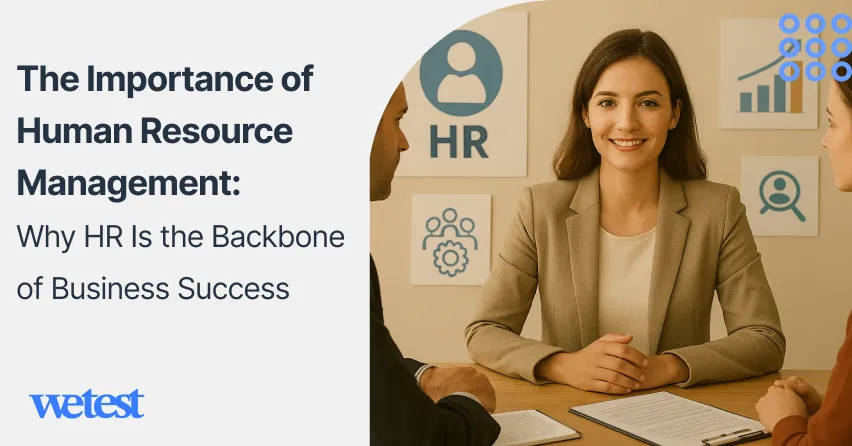
Human Resource Management is the smart way to handle people in companies. It’s all about finding people, helping them grow, and keeping them happy and productive. HR does everything from hiring new workers to training them and ensuring they feel valued.
HR has changed over the years. It used to be just about paperwork and keeping employee files. Now, HR pros are more like business partners, helping companies do well. They work super closely with the big bosses to plan and fix problems.
Good HR practices can make or break a business in today’s competitive world. Companies with strong HR departments do way better than those without. They get better employees, keep them longer, and create good vibes at work.
HR is the backbone of a successful business. It links what the company wants with what employees need. Employees are happy and motivated. Companies hit their goals and grow.
This article’s going to show you why HR is such a big deal. We’ll check out how HR makes companies more valuable. You’ll learn about managing talent and building an awesome company culture. We’ll even look at real numbers that prove HR’s impact on success.
Table of Contents
Why Human Resource Management Matters

At the very heart of it, human resource management is just making sure the company’s employees’ plan matches up with the company’s business plan.
HR people are strategic partners. They help the leadership take those big mission statements and growth goals and turn them into real-world stuff that the workforce does. This is the whole idea of strategic human resource management that experts talk about.
By creating HR policies that support the company’s biggest priorities, like trying to break into new markets, pushing digital change, or maybe just sparking innovation, HR makes sure you have the perfect people doing the perfect job at the perfect time.
Like AIHR points out, companies that are good at HR are way, way more likely to beat their competitors. HR is important for long-term planning, figuring out who takes over next, and shaping the company’s competitive edge through the people who work there.
Engagement and Talent Development
HR is the one who builds the whole workplace culture. I mean, from the second someone new is onboarded all the way up to developing the managers, HR sets the mood for how people feel, how they work together, and if everyone feels included.
When strong HR practices are in place, employee engagement increases significantly, something research consistently links to higher productivity, improved morale, and greater business profitability.
MVNU points out that when HR works to create supportive environments, it directly impacts whether people stick around and how happy they are, while IceHRM stresses that HR is responsible for all the continuous training and career growth.
Hiring new people, all the learning programs, and even the performance management systems come from HR knowing that people are the backbone of the business.
By creating fair pay, clear benefits, and organized feedback, HR pulls in the best talent and makes sure the existing team feels motivated enough to stay. This kind of integrated approach to managing talent is exactly why engaged teams always do better than the ones that aren’t.
Compliance and Data-Driven HR
Another important job HR has is protecting the company. HR departments are the shield, guarding companies from risks by making sure they follow labor laws, workplace safety rules, and all the employment regulations.
If a company doesn’t have HR watching things properly, it could face huge fines. AIHR emphasizes that following the law is the foundation for long-term success.
Modern HR also uses data and analytics from tools like HRIS and people analytics to predict who might quit, find where the skill gaps are, and make decisions based on solid evidence. Those insights help businesses make way smarter investments in their people.
HR is the one in charge during big changes, like mergers, company restructuring, or adopting new technology.
Functions and Departments in HR
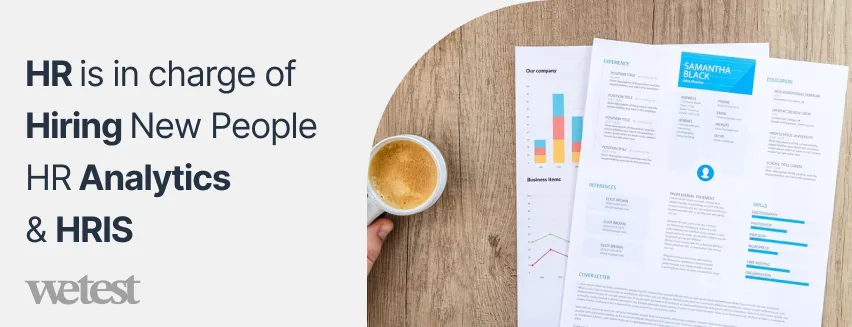
The main thing HR is trying to do is manage the whole employee lifecycle by using organized areas where they work.
This covers everything like hiring new people, performance reviews, paying compensation and benefits, and training. People put all this stuff under the big umbrella of talent management because the goal of all of it is to attract, keep, train up, and motivate a good workforce.
When they deal with hiring and developing talent, HR is busy creating recruiting plans, writing job descriptions, vetting candidates, and running the onboarding process. That’s the part that makes sure the company has the right skills.
Once people are hired, HR leads training, career planning, and workforce development efforts to close the gap between current and future skill needs.
AIHR even lists things like learning and development, recruitment, and career planning as core HR jobs. Right next to that are the performance management and feedback systems.
HR designs when performance reviews happen, what the key metrics are (KPIs), how coaching works, and sets up constant feedback.
Instead of doing one big review once a year, modern HR pushes for more quick check-ins, measurements, and goals that can change. Then there’s compensation, benefits, and rewards. HR makes sure pay, incentives, and benefits are competitive with the market and fair inside the company.
This area also deals with bonus schemes, perks, and benefits packages. What HR decides here is important for keeping people motivated and making them stay. Indeed says that comp and benefits are one of the absolute core parts of HR.
Strategic HR Development
Past those main duties, there’s a whole other set of strategic HR jobs that are key for keeping things stable and helping the company grow. I’m talking about stuff like risk and compliance, HR analytics, HR operations and HRIS, and change management, along with organizational development.
First up, risk and legal safeguards are a huge deal. HR has to be up-to-date on labor laws, anti-discrimination rules, workplace safety, data privacy, and contract stuff. Mess this up, and the business is looking at a ruined reputation.
AIHR says legal compliance is a foundational part of why HR matters. Second, HR analytics, metrics, and scientific decision-making are becoming something you just can’t do without.
HR tracks how often people quit, how much it costs to hire someone, performance results, and who is likely to leave. These numbers make the managers see HR as a place for data-driven insights. Human resource metrics is a well-known area in HR studies.
Another critical area is HR operations and the HR information systems. Handling payroll, keeping records, running employee sites, and having smooth HR workflows are the basic infrastructure that support everything HR does.
A good HRIS means you can automate tasks and keep data central. Change management and organizational development are all about moving the workforce through big changes.
If the company is reorganizing, rolling out new tech, or changing the culture, HR is the one guiding the transition. This links right back to strategic HR management. HR doesn’t just build systems; it makes sure the people side of any change is handled.
How Does HR Add Value to Business Success?
A key way HR proves its worth is by helping the company get better productivity and be way more operationally efficient.
They do this by making HR policies easy to follow, setting up strong systems, and creating clear workflows. Things like electronic HR systems help standardize everything, reduce manual errors, speed up transactions, and all of that directly increases how productive the workforce is.
On top of that, HR is central to helping the company react to change, I mean, market shifts or innovations. HR makes sure transitions are less disruptive and that employees adapt way faster.
Minimizing Cost and Risk
Another big way HR brings value is by reducing turnover, bringing down the cost to hire new talent, and making sure the company holds onto its best employees.
Hiring is expensive; the average cost for one new hire can easily hit thousands of dollars.
By focusing on talent retention through keeping people engaged, training them up, offering fair pay, and building a strong employer brand, HR reduces costly hiring cycles and loss of productivity. Also, HR’s job in reducing risk is important.
They make sure the company follows labor laws, avoids fines, and defends against lawsuits.
Building Employer Brand and Innovation Culture
HR helps the company succeed long-term by building a great employer brand, which makes it way easier to attract and keep better quality people.
Companies that have strong employer brands get a ton more people applying for jobs. When the team feels proud of where they work, they turn into brand ambassadors. They improve the reputation both outside and inside the company.
Connected to this is employee engagement, which is what brings innovation and makes people put in extra effort. Engaged employees are the ones who are more likely to go above and beyond, push for improvements, share their ideas, and help the business stay competitive.
Leadership Continuity and Strategic Growth
HR brings value by doing succession planning and building leadership pipelines. That’s how they make sure things keep running smoothly for all the important roles.
Having a ready pool of successors protects companies from having big holes in leadership when the managers leave or move around.
This whole area links right back to strategic HR management because HR has to figure out what the business will need in the future, spot the employees who have high potential, and then grow them through specific development paths. By doing this, HR connects the current team to the future strategy.
HR’s Role in Crisis Preparedness
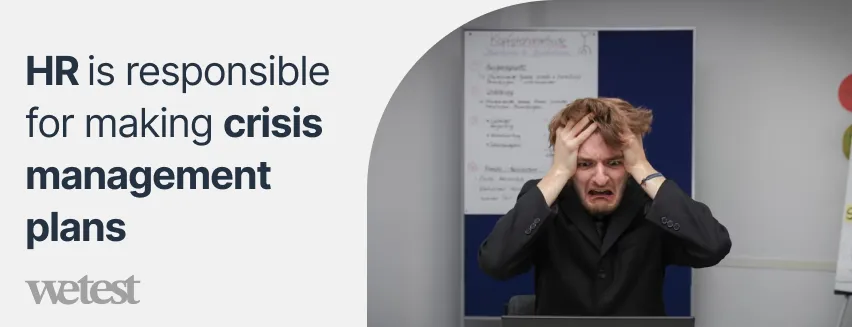
Companies have to be flexible and agile. HR is the one that steps up to make this happen, getting ready for crises before they hit and making sure the staff stays solid when things get rough.
HR is the one in charge of creating those detailed crisis management plans, which lay out exactly what to do for different emergencies. This means setting up systems to warn people early, clearly defining who does what, and making sure everyone is trained and knows the risks and the response plan.
When a crisis is happening, HR is the key communication line between the leaders and the staff. By sharing information that’s quick and honest, HR cuts down on uncertainty and keeps trust in the company high.
They also set up support stuff like counseling, flexible schedules, and wellness programs to help the team get through the hard times.
After the crisis, HR leads the recovery, focusing on getting back to normal and helping people reintegrate. This involves doing meetings to figure out lessons learned, checking how well the crisis response worked, and fixing policies to make sure they’re even more prepared for the next big disruption.
A Quora Rundown
In this section, we explore fresh insights from Quora users. These real-world perspectives add new dimensions to history, culture, and emerging practices.
1. Historical Turning Points in HRM
Ankit Kishore discusses the evolution of HRM through industrial shifts.
“Ever since the modern trading system began in 1760s, it was thought that human labor force was just another factor of production like land and capital. But Elton Mayo’s Hawthorne Experiments (1924–1927) showed that need for recognition, security and sense of belonging is more crucial for productivity. ‘The human workforce is the most important asset for a company.’”
He goes on to explain the birth of HRM in the post–World War II service economy, emphasizing how specialized roles led to hiring dedicated HR professionals to manage workplace transformation.
The Expanding HR Toolkit
Mamata Matta and Vidhi UBS discuss the broadening scope of HR systems.
Mamata Matta lists ten critical functions, from compliance and risk management to strategic management and employee satisfaction.
Vidhi UBS adds that HR ensures policies stay updated, protective measures are in place, and solutions are devised for productivity and conflict resolution. “To get the benefits of HRM, operations like onboarding, payroll, leave management, and offboarding must be streamlined.”
HR’s Strategic Counsel and Culture Stewardship
A series of answers stresses HR’s role as a strategic advisor.
Alister Ally argues HR leads talent management processes and “recommends and institutes strategies that further the organization’s strategic goals.” He also notes HR’s role in organizing events and team-building.
Dave Crisp, a long‑time HR leader, reminds us that great leadership multiplies results: “People work better if they are led, not just managed… A very good leader can multiply results by 5 to 20 times what an average leader delivers.”
Radhra Shama frames HR as a coach. HR acts as a strategic partner.
HR and Competitive Edge
Several Quora users connect HR practices to competitiveness.
Ekansh Kochar points out that HRM keeps companies in sync with market conditions by ensuring equitable salaries.
Raghav Rao states: “Human Resources Management is all about managing people which is very critical for the survival and growth of a firm.”
Margie Parikh offers a deeper lens, contrasting ‘People Management’ versus traditional HR, and argues that modern management recognizes employees as sentient partners, not mere resources.
Technology’s Role in Shaping the HR Future
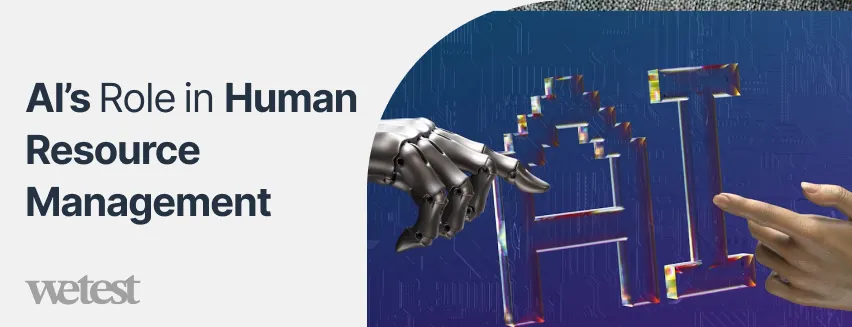
Uknowva explores how AI-enabled HRMS platforms improve processes.
“AI-enabled HR management plays a crucial role in the entire employee lifecycle, enhancing workplace culture and contributing to corporate decision-making. Without it, companies would not function effectively today.”
A Cautionary Note
Not all feedback is positive. Edward Coast, a Linux engineer, offers a view.
“HR should focus on internal communications for benefits. Beyond that, they have no skills in interviewing for technical roles. The best thing is to bypass HR and deal with hiring managers directly.”
Conclusion
Human Resource Management truly serves as the backbone of business success. HR’s role extends far beyond administrative functions to a strategic business partnership. The evidence clearly shows that effective HR practices directly impact business results.
Companies with strong HR departments attract better talent, develop their people more effectively, and create cultures that drive performance. They experience lower turnover, higher engagement, and better financial results.
The measurable impact of effective HR includes reduced costs, increased productivity, and improved profitability. These results make HR investment one of the smartest choices companies can make.
HR enables organizational growth and sustainability by developing people and building capabilities. As businesses face increasing competition and change, HR becomes even more critical to success.
Investing in HR capabilities provides a competitive advantage that’s difficult for competitors to copy. Companies that recognize HR’s strategic value position themselves for long-term success.
The future of HR looks bright as the profession continues evolving in the digital age. HR professionals who develop new skills and embrace technology will drive even greater business impact.
FAQs
What is human resource management (HRM)?
Human resource management is the strategic approach to managing people in an organization. It covers recruiting, performance, training, compensation, culture, compliance, and aligning workforce efforts with business goals.
What does an HR department actually do?
The HR department handles employee acquisition, onboarding, performance reviews, career development, benefits and compensation, employee relations, compliance, and facilitating organizational change.
How does HR help reduce turnover and hiring costs?
HR strengthens retention through engagement, development paths, competitive compensation, and by building a strong employer brand.
Why is HR compliance important?
HR compliance ensures the organization follows labor laws, avoids lawsuits or fines, protects employee rights, and upholds ethical standards.
What role does HR analytics play in decision-making?
HR analytics uses data on turnover, performance, skill gaps, retention, and more to make evidence-based decisions.
How does HR contribute to business agility?
HR leads change management, organizational development, and helps the workforce adapt during restructurings, mergers, or digital transformation.
Hire the best candidates
with Wetest.
Create pre-employment assessments in minutes to screen candidates, save time, and hire the best talent.
Try for free