
Bonica
November 21, 2025
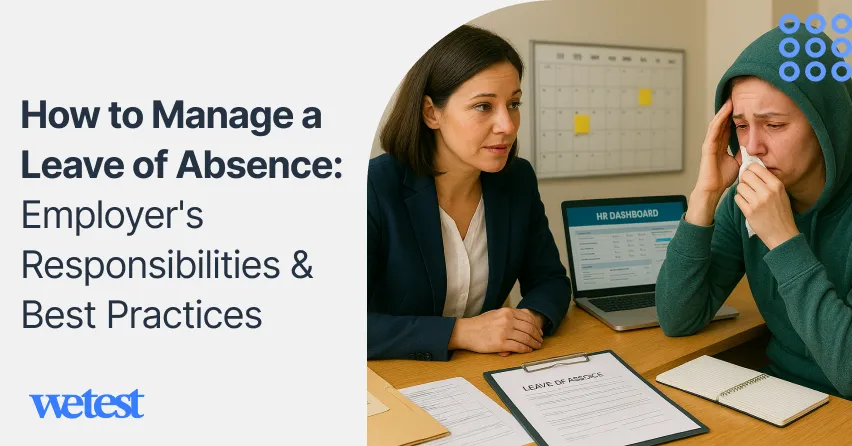
A leave of absence is time off from work that employers give employees for specific personal, medical, or family reasons. Managing these leaves the right way is one of your most important jobs. The legal stuff around employee leave keeps getting more and more complex.
Federal laws like the Family and Medical Leave Act (FMLA) set the basic rules. But now a lot of states are adding their own paid leave programs on top of those federal rules.
Good leave management affects your whole business. It helps you keep valuable employees and builds trust in your workplace. Bad management can lead to expensive lawsuits and high turnover.
Recent data from the Department of Labor shows that over 5 million employees take FMLA leave each year, and that trend is still growing as more workers learn about their rights. State-paid leave programs are expanding fast, too.
This guide is going to give you a complete framework for managing leaves of absence. You’ll learn about different leave types, legal requirements, and leave management tools and software.
Table of Contents
Types of Leave Employers Must Know
Managing employee leave isn’t about saying “yes” to the time off. You should make sure they turn in the paperwork, check that they qualify for it, and figure out the intermittent leave stuff.
Companies need to track those days off accurately in their HR system and make sure the person’s job is safe because of all those laws.
Talking clearly to employees about the dates, what medical notes they need, and when everything’s due cuts down on the headaches.
Smart employers who focus on good policy guides and teach their managers the rules see much happier employees.
Here is a clear taxonomy of leave types.
Federal Leave Entitlements

The FMLA gives eligible employees up to 12 weeks of unpaid time off every year. This leave covers situations like when you have a serious health condition or for military family needs.
If you’re caring for an injured service member, some situations can stretch that out to 26 weeks.
Then there’s Military leave under USERRA, which protects employees who are serving in the military. This includes when they go on active duty, for training, or for emergencies. The key thing here is that there’s no maximum length for that kind of leave.
The ADA doesn’t give people a specific number of leave days. But taking an extended leave can be a reasonable accommodation if an employee has a disability.
State and Local Leave Programs
Many states now have programs that offer paid family and medical leave. States like California, New York, New Jersey, and Rhode Island are leading the charge on this. What these programs do is give you partial wage replacement while you’re taking your leave.
The rules for state disability insurance are all over the place. Some states make employers provide the coverage themselves. Others let the employees pay into state programs.
Parental leave laws in many states go way beyond what the federal FMLA requires. Some states give you more time off. Other laws provide time off for more kinds of family members than the federal law does.
You’re seeing a lot more local sick leave ordinances pop up in cities and counties now. These laws make employers provide paid sick time to all employees, and the size of the company doesn’t even matter.
Employer-Sponsored Leave Types
Personal leave of absence policies are the totally extra ones. They go way past anything the law requires you to do.
These can cover situations like taking an extended trip, going back to school for more education, or dealing with a personal emergency. You get to decide all the terms and conditions for these types of leave.
Offering sabbatical programs can help with keeping your best employees and developing them. Giving them educational leave is great because it supports their personal career growth, and it benefits your company in the long run by giving them new skills.
Having bereavement and emergency leave is beneficial as well. It supports people when they are going through tough times. Clear policies cut down on confusion, and it shows your employees that you care about them.
The distinction between a voluntary leave and an involuntary one is a huge deal for how you handle the paperwork and the process. You have to handle a staff member asking for a personal voluntary leave way differently.
Disability-Related Leave Categories
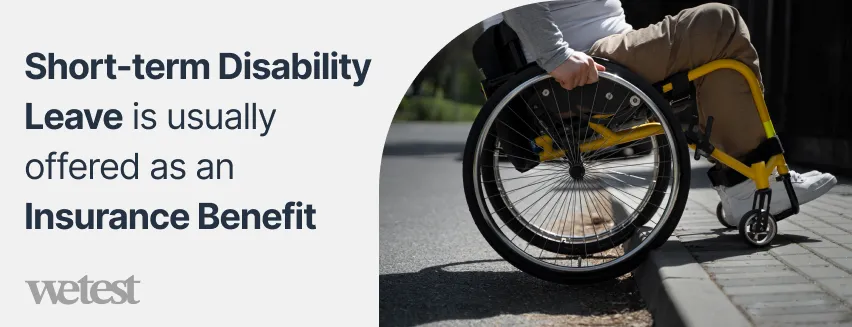
Short-term disability leave takes care of the first few months that someone is out sick with a medical issue. A lot of employers offer this as an insurance benefit.
Long-term disability leave kicks in right when the short-term coverage finishes. This means the employee is going to be away from work for six months or longer.
Workers’ compensation leave is specifically for injuries or illnesses that were caused by their job. There are special rules that apply here for protecting their job and keeping their benefits going.
Understanding how different leave types work together prevents gaps in coverage. Employees might use multiple programs during one absence.
How to Manage a Leave Request
Breaking the whole process into main steps makes it way simpler to follow, and it helps make sure everything is accurate.
Many companies underestimate how tricky intermittent leave can be to manage. Employers should be clear in their leave policy about how these leave types are documented and tracked.
Proper absence tracking goes a long way toward avoiding legal exposure.
Receive and Verify the Leave Request
The first thing you have to do is officially get and acknowledge the employee’s request for leave.
They should be submitting these requests in writing, and ideally, they’d use a standard form that helps keep a paper trail for legal and HR reasons.
Once you have it, you need to check if the employee meets the eligibility requirements under those state programs. For medical or family time off, you should ask for the right documentation or medical certification, and be careful to keep all that sensitive info confidential.
Be clear about whether it’s going to be continuous or intermittent leave, if it’s paid or unpaid, and how long they expect to be out.
Approve, Communicate, and Track
After you confirm they’re eligible, you have to approve the leave and tell the employee the decision in writing.
You need to include all the details about keeping their benefits, protecting their job, and any deadlines for sending in more forms or documentation.
You should use your leave management software to keep an eye on the dates, those intermittent absences, and any extensions.
Being consistent with the tracking cuts down on mistakes and gives you a clear audit trail.
Keep talking openly with the employee while they are on leave. Answer their questions and handle any changes to the leave length if needed.
Prepare for the Employee’s Return
Early planning reduces disruption. Tell the managers when they’re expected, double-check that whole setup, and make sure their desk, job, and all their benefits are all good to go.
Once the leave is approved and rolling, the main focus shifts to keeping up with maintaining records.
Employers have to make sure all the necessary documents are properly stored and kept for the required time according to HR laws.
You need to keep tracking leave balances and those intermittent absences to stop any policy violations. You should use your HRIS to crank out reports and flag important deadlines.
Tools and Software for Leave Management
Managing employee leave across different teams and legal systems by hand with emails or spreadsheets is a recipe for disaster.
The right software is necessary to cut down on admin work and give HR and the employees visibility.
Calamari is fantastic if you have international teams. It handles leave types and lets staff request time off through the web and mobile. It gives you clear leave balances and lets you set custom policies for different countries, and has public holiday calendars for tons of countries. You can set up those approval workflows based on the department or the leave type.
UKG has absence and leave management tools that have strong compliance features. It lets companies set up different leave types, define the accrual and deduction rules based on their policies, and automate the approval workflows. Their tools also handle tracking of balances, historical data, and send out notifications so everyone knows the status.
Zimyo is another solid option for companies that need flexible leave rules. The admin can set up different accrual cycles and define restrictions. It gives you visibility into leave balances and attendance. It also lets you define workflows and automate the approvals.
These platforms combine an easy interface with the ability to handle global policy differences and offer self-service portals for employees.
A Quora Rundown
On Quora, people from every background share candid experiences about what a leave of absence really means.
Defining What a Leave of Absence Really Means
Several Quora users emphasized that a leave of absence isn’t simply “time off.” It’s a structured agreement that can protect employment during extended absences.
Rudyard Myers explained it this way:
“A ‘leave of absence’ refers to an extended period the employee will not be working in their position, but they remain employed… Basically, it is an agreement between the organization and the employee that they will still have a job to come back to once whatever it is they’re doing away from work is completed or resolved.”
When Employers Say No
Not all requests go smoothly. Sometimes refusal has lifelong consequences.
Blaise Corbett shared a striking case:
“I worked with a man whose mother was dying in another country. He was not granted a leave and went anyway. He was fired. He was gone less than two weeks. They hired him back the day he returned. He lost something like 30 years seniority because of that.”
Health as the Driving Force

Many stories point to health as the most pressing reason for LOAs.
Zenith described their experience during the COVID-19 crisis:
“I took a leave of absence for one year but I did not get paid and that time I had the COVID crisis and I got a doctor letter from the hospital my specialist so I was granted a leave of absence… Let me tell one thing in life ALWAYS REMEMBER HEALTH IS WEALTH.”
Raghu M emphasized how illness can necessitate long breaks:
“One big reason is being with a seriously sick and bedridden condition… When we are humans such problems may be inevitable. When his closest housemate gets ill health problem also he may go on sufficiently long time.”
Navigating Sensitive Conversations
Requesting leave can feel risky when employees worry about being perceived as unstable.
The consultancy page Human Resource India offered practical guidance:
“When asking for a leave of absence, it is important to be clear and forthright in your request. Be honest and explain your reasons for wanting to take leave… Offer potential solutions that won’t detrimentally affect their workload or business… Give advance notice.”
The Emotional and Career Costs
In some cases, a leave of absence becomes a moment of reckoning.
Zenith’s long reflection made this clear:
“Do you know that COVID crisis was the greatest blessing for me because… I found that I could get off the stupid useless job I was doing… May be when you take the time off one month explore other opportunities.”
Education, Family, and Public Service
Other users emphasized that LOAs aren’t always tied to health.
Kent Aldershof gave a broad list of reasons:
“A common reason would be for additional schooling… Another reason might be for a medical procedure… Or one may need to leave work, to care for a parent or other family member, who has a terminal illness. One might even take a LOA to serve in a governmental position.”
Legal and Policy Nuances
Some Quora users highlighted how LOAs intersect with legal frameworks.
Rick Hernz pointed out:
“An offer of paid leave of absence would qualify as a voluntary paid leave, and certainly allowable… As long as the paid leave of absence does not interfere with the intended protections of the ADA or the FMLA, it is a viable option.”
Philip Klossner reminded readers that employer options vary:
“Some companies allow an LOA, others do but only for specific purposes and others don’t have such an option. There’s no legal requirement in the US to allow any kind of LOA other than a valid FMLA leave.”
Mental Health and Stigma
Quora voices shed light on the growing recognition of mental health in LOA discussions.
Tracy Castor shared openly:
“Yes actually you can get a leave of absence for any medical or personal reason. One of the things you should be careful about with depression is feeding it. Going on a LOA makes it easier to just stay at home lying in bed and getting deeper and deeper into depression… Don’t try to kick it alone.”
Conclusion
Knowing how to manage employee leave of absence necessitates close attention to the legal rules and following best practices. Your big responsibilities here include protecting the employee’s job, continuing their benefits, and having all the proper documentation.
Managing leave of absence properly is critical. Taking a proactive approach to leave management helps everyone out. Your employees get the support they need when they’re going through a tough time. And your business gets to maintain compliance and keep those valuable workers.
Having those comprehensive leave programs helps you keep employees and makes your workplace culture better. They are a way of showing staff that you value them as whole human beings.
The best place to begin is by reviewing your current policies and procedures. Figure out any gaps you have in compliance or areas where you can do better. Also, think about the training your managers and HR staff might need.
You need to stay updated on changing laws and regulations. Subscribe to legal updates and maybe look at periodic compliance audits. You should invest in the systems and training that will help you manage leave effectively.
FAQs
How much advance notice must employees provide for FMLA leave?
30 days when foreseeable, or as soon as practicable for emergencies (same or next business day when possible).
Can employers require the use of accrued paid time off during FMLA leave?
Yes, employers may require substitution of paid leave, or employees may voluntarily choose to use accrued time.
What constitutes an “equivalent position” for job restoration?
Same pay, benefits, terms and conditions of employment, with substantially similar duties and responsibilities.
How should employers handle leave requests exceeding FMLA entitlements?
Engage in the ADA interactive process to determine if extended leave constitutes a reasonable accommodation.
Are part-time employees eligible for FMLA leave?
Yes, if they meet 1,250 hours worked in 12 months preceding leave and other eligibility requirements.
What medical information can employers request during leave?
General functional limitations and need for leave, but not specific diagnoses or detailed medical records.
How do employers handle leave for employees at locations with fewer than 50 employees?
These employees aren’t FMLA-eligible, but state laws and company policies may still provide protections.
Can employers contact employees during FMLA leave?
Limited contact is permitted for status updates and return-to-work planning, but not for work-related matters.
What happens if an employee’s condition worsens during leave?
Employees may request leave extension; employers must consider it as a potential ADA accommodation.
How do employers calculate the 12 months for FMLA eligibility and entitlement?
Employers may choose from four methods: calendar year, fixed year, rolling 12-month period measured forward, or rolling 12-month period measured backward.
Hire the best candidates
with Wetest.
Create pre-employment assessments in minutes to screen candidates, save time, and hire the best talent.
Try for free