
Bonica
August 11, 2023
Bankruptcy is one hell of a situation, and the moment you want to start all over again, you wonder, “Will I get fired if my boss finds out I’m bankrupt?”; or “Can I get employed if I’m bankrupt?”
If this is the case for you, you’re not alone!
Many people who’ve undergone financial hardship and bankruptcy share this concern. The good news is bankruptcy doesn’t necessarily make you lose a job! The bad news is it has its own effects on different angles of your life.
While the fear of being turned down for a job due to bankruptcy can be stressful, it’s important to remember you have rights, and many employers understand that financial hardship can happen to anyone.
In this guide, we’ll tell you about bankruptcy’s impact on your employment. We’ll teach you how to survive and get back on your feet again. Scroll down, and promise you’ll feel a lot better at the end of this article!
Table of Contents
What Is Bankruptcy?
Bankruptcy is a legal status often taken as the last level when an individual, company, or another entity cannot repay its debts.
When you file for bankruptcy, it signals that you’re unable to meet your financial obligations. This process can provide you with a way to start fresh, albeit with some consequences, including the impact on your credit score and public record.
Bankruptcy isn’t necessarily something terrible; it can sometimes be the best way to handle non-payable debt. However, the stigma attached to it, and its potential impact on your future, including employment opportunities, often make it a decision taken with heavy hearts.
When Should You Consider Filing Bankruptcy?

The decision to file for bankruptcy is not an easy one to make. It could be an option to consider when your debt becomes unmanageable and other alternatives, such as debt consolidation or negotiation with creditors, have proven ineffective.
But, “When is the best time to file for bankruptcy?” you may ask.
Well, bankruptcy is the right decision if your debt continues to grow despite your best efforts to pay it down, creditors threaten legal action, or your wages are being garnished.
It’s always wise to consult with a financial advisor or legal professional before taking this significant step.
Pros of Filing for Bankruptcy
Despite its challenges, there are also significant benefits to filing for bankruptcy.
Elimination of Certain Debts
One critical advantage of filing for bankruptcy is the ability to discharge certain debts. This means you’re legally released from the responsibility of having to pay them.
Unsecured debts like credit card bills and medical expenses are typically those you don’t have to pay!
Protection from Creditors’ Harassment
Need an end to threatening phone calls, letters, or any form of harassment from creditors looking to get paid?
Once you’ve filed for bankruptcy, you’re immediately protected by an “automatic stay.” This stops most creditors from collecting their debts, which means a huge relief from the creditors!
Opportunity for a Fresh Financial Start
When drowning in debt, everyone wishes for one other chance, for another fresh start!
Bankruptcy offers a financial “clean slate” to you. Once the process is complete, many of your debts may be wiped clean, allowing you to start over.
It can provide the breathing room needed to rebuild your financial life, free from the burden of unpayable debt.
Potential to Halt Eviction or Foreclosure
In some situations, filing for bankruptcy may help delay or stop an eviction or foreclosure process, allowing you more time to determine your next steps.
However, this highly depends on specific circumstances and laws, which can vary by location.
Cons of Filing for Bankruptcy
Before deciding to file for bankruptcy, it’s essential to fully comprehend the potential drawbacks despite it appearing to be an option for relief.
So, does filing for bankruptcy come with any disadvantages?
The short answer is “Yes!”.
Negative Impact on Credit Score
First, you’ll have the “bankrupt” mark forever!
One of the most significant drawbacks of bankruptcy is its severe and long-lasting impact on your credit score.
Bankruptcy can remain on your credit report for seven to ten years, depending on the type of bankruptcy filed.
Reduced Access to Credit in the Short Term
You’ll likely find it more difficult to obtain credit in the short term. Even when credit is available, it may have higher interest rates or require a cosigner.
This can affect your ability to get a mortgage, including a self-employed mortgage, car loan, or other types of credit. So, if you need credit now, think twice about filing for bankruptcy!
Bankruptcy Becomes a Public Record
This status is not a matter of privacy. Everyone will know!
Bankruptcy filings are part of public records, meaning anyone can learn about your financial situation.
Difficulty in Securing Certain Jobs
The fact is discriminating against employees based on bankruptcy is illegal!
However, specific industries (like finance or jobs requiring a security clearance) might have stricter rules. Depending on the job sector, you might get rejected for some jobs.
Potential Loss of Personal Assets
You may be required to sell off some of your assets in order to pay off your debts. This could include things like your house, car, or other valuable belongings. Just something to keep in mind as you navigate this process!
Inability to Discharge Certain Debts, like Student Loans
You can’t discharge all your debts through bankruptcy.
Depts relating to child support, alimony, most tax debts, and, in many cases, student loans stay with you forever, and filing for bankruptcy doesn’t help you!
Stigma Associated with Bankruptcy
Lastly, the societal stigma associated with bankruptcy can affect personal relationships and professional opportunities.
Remember that financial struggles can happen to anyone, and choosing bankruptcy often means choosing a responsible path to better financial health.
How Bankruptcy Affects Current Employment
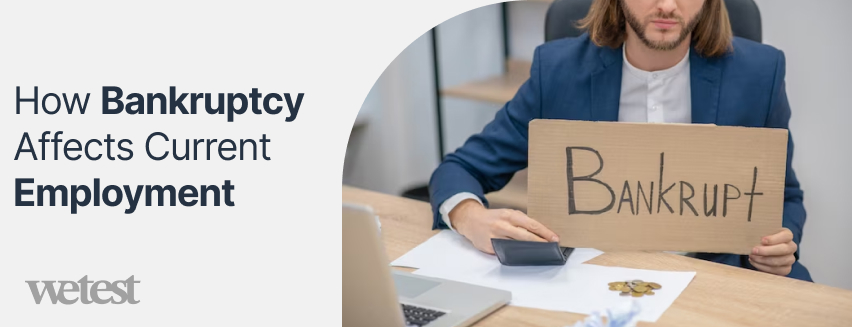
Worried if bankruptcy has an effect on your current employment?
Let’s take a closer look at what you need to know about job security when facing bankruptcy.
Can Your Current Employer Terminate Your Employment Due to Bankruptcy?
One of the most common fears about bankruptcy is the possibility of job loss. However, many jurisdictions prohibit employers from discriminating against employees because they’ve filed for bankruptcy.
So, in most cases, it is your right to have a job. You may lose your job if you’re not a good employee, but you can’t lose it based on your financial status.
Anti-Discrimination Laws Concerning Bankruptcy
The law is in favor of you in many places!
For instance, the Bankruptcy Code contains specific provisions against discriminatory treatment in the United States.
Section 525 of the Bankruptcy Code prohibits government and private employers from terminating employment or discriminating in employment solely because the individual has filed for bankruptcy.
The Reality of Job Termination and Bankruptcy
While the law is in place to protect you, employers might still find other reasons to justify a termination.
Many employers don’t consider bankruptcy a reason for termination, recognizing that employees can face financial hardship for many reasons, often beyond their control. Most employers value their employees’ skills, experience, and work ethic more than past financial troubles.
However, if you believe your employer has mistreated you due to bankruptcy, you may have legal recourse and should consult a lawyer to understand your rights.
Bankruptcy and Its Influence on Job Hunting
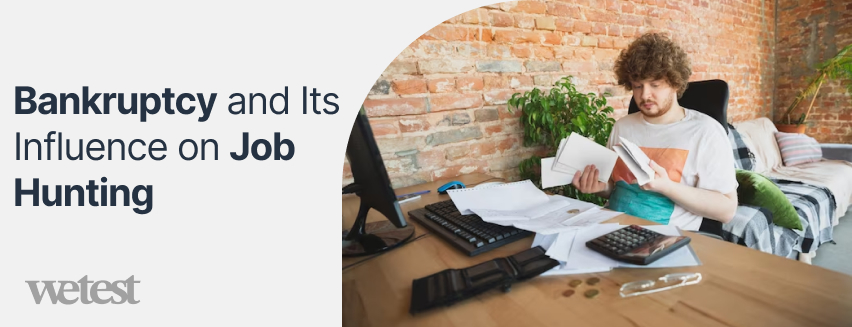
Getting rejected for job applications and thinking it’s all because of bankruptcy?
Well, don’t get disappointed just yet. You can still overcome this situation and have a successful job haunting season if you follow some strategies!
How Might Bankruptcy Affect Your Job Search?
It’s important to know that bankruptcy should not be why employers deny employment.
However, some industries, such as finance, law enforcement, and positions that involve handling money or sensitive financial information, maybe more careful when considering applicants with a history of bankruptcy.
Sometimes, employers might run a credit check as part of their hiring process. However, they are required to get your permission.
Successful Job-Hunting Strategies Post-Bankruptcy
Forget about bankruptcy and focus on what you can control; your skills, your attitude, and your willingness to learn and adapt!
Here are some techniques to enhance your chance of getting employed and may solve your job finding troubles:
Technique 1: Focusing on Transferable Skills
Rather than focusing on the negative, highlight your transferable skills that can add value to the job. These could be skills obtained from previous employment, volunteering, or life experiences.
They include problem-solving, communication, leadership, and adaptability skills.
Technique 2: Networking and Building Connections
Networking is more powerful than bankruptcy!
Attend industry events, join professional organizations, or engage on professional networking sites like LinkedIn to connect with potential employers or individuals who can provide job leads or references.
Technique 3: Pursuing Additional Education or Training
Upskilling or obtaining further education in your field, especially after going through bankruptcy, can make you a more attractive candidate to employers. Many free or low-cost online courses can help you learn or improve new skills.
Everyone loves to hire someone who seeks learning, even from their failures!
Navigating Job Interviews After Bankruptcy
Are you invited to a job interview but are too nervous because of your bankruptcy history?
Here are some strategies to handle potential questions and present yourself in the best light:
Technique 1: Preparing for Potential Questions about Bankruptcy
It’s wise to prepare for the possibility of an employer asking about your bankruptcy, especially if your credit history is relevant to the job.
If asked, be honest but don’t lose your self-esteem. You can explain that you experienced financial difficulties but have taken steps to improve your situation and learned valuable lessons in the process.
Technique 2: Highlighting Resilience and Financial Responsibility
Turn the conversation around by highlighting what you’ve learned from the experience. Discuss how you’ve become more financially responsible and how these lessons can benefit the company.
It’s essential to show that you have the ability to bounce back from adversity, a quality many employers value.
Technique 3: Mastering Non-Verbal Communication
Don’t talk all the time; show them something real, too!
Maintaining eye contact, good posture, and confident handshakes can communicate positivity and confidence. Even if you’re nervous about discussing your bankruptcy, showing confidence can leave a positive impression and show your ability to handle challenging situations.
Above all, remember that your worth as a job candidate is not determined by your financial past but by your skills, experience, and potential to add value to a company.
How Bankruptcy Interacts with Income and Debt Repayment
How do I repay my debts when I’m bankrupt?
Does it affect the income from my current employment?
These are the key questions when it comes to thinking about your income.
Here are the answers:
Earning an Income While Navigating Bankruptcy
Many people worry that filing for bankruptcy might take their ability to earn income. However, that’s not the case.
You’re encouraged to continue working and earning an income during bankruptcy. In fact, maintaining regular employment is a way to show your commitment to financial stability.
The Interplay Between Bankruptcy and Debt
When you file for bankruptcy, an automatic stay is applied, halting most creditors’ attempts to collect debts. While this provides immediate relief from the pressures of debt collection, it’s essential to note that not all debts can be discharged.
You’re usually required to participate in credit counseling after filing for bankruptcy. this can help you better understand financial management and create a feasible repayment plan for non-dischargeable debts.
Bankruptcy and Government Assistance
Can I enjoy government assistance even after bankruptcy?
Can I still get student loans or tax benefits?
Let’s look at these in more detail.
Bankruptcy and Its Impact on Government Benefits
Many people worry that declaring bankruptcy might affect their eligibility for government benefits. However, the truth is that the effect is different, given the type of benefit.
Will Bankruptcy Affect My Eligibility for Government Student Loans?
In many jurisdictions, including the United States, bankruptcy typically doesn’t affect your eligibility for government student loans. So, if you’re bankrupt and want to return to school, you can count on your student loan!
However, you must remember that student loans are generally not dischargeable in bankruptcy, meaning you’ll still be required to repay them.
The Effect of Bankruptcy on Family Tax Benefits
Will bankruptcy impact your eligibility for family tax benefits?
These benefits are usually considered a form of income support rather than an asset and are not included in the bankruptcy estate. So, no. Family tax benefits are not affected by bankruptcy!
However, consulting with a financial advisor or attorney is recommended to understand fully the potential implications based on your unique situation.
Can You Apply for Centrelink Benefits While Bankrupt?
If you’re in Australia and are receiving Centrelink benefits, you can continue to receive them after declaring bankruptcy.
Bankruptcy shouldn’t affect your eligibility to apply for new benefits. However, some specific restrictions may apply, so it’s always best to check with Centrelink directly or consult with a financial advisor.
Does Bankruptcy Influence My Spouse’s Income?
Well, the answer to this question is both yes and no!
If one spouse files for bankruptcy, it doesn’t directly affect the other spouse’s income.
However, this situation can impact jointly held assets or debts, and the non-bankrupt spouse’s income may be considered when determining the bankrupt spouse’s income contributions.
Bankruptcy and Its Impact on Business Operations

Whether you’re an entrepreneur, a CEO, or simply an employee, going bankrupt and staying in business raises some questions.
Here are the most common ones:
Can You Run Your Own Business During Bankruptcy?
This largely depends on the type of bankruptcy you file and the laws of your country. In most states of the USA, you can’t run your own business for the time you declare yourself bankrupt.
Bankruptcy and Entrepreneurship: What You Need to Know
You can often continue to run your business during bankruptcy, but there are restrictions. For example, if you own a sole proprietorship, your business assets might be used to pay off creditors.
The implications can be more complex for partnerships or corporations, and professional legal advice is highly recommended.
Does Bankruptcy Prevent You from Being a Company Director?
In many cases, bankruptcy can affect your ability to act as a company director or manage a corporation. However, it really varies based on jurisdiction.
In some countries, like Australia and the UK, you can only act as a company director if you are not bankrupt.
In the US, it depends on the company’s bylaws, though it’s less common for bankruptcy to disqualify someone from directorship.
Recovering from Bankruptcy
While bankruptcy can be stressful and challenging, it’s also an opportunity to rebuild your financial life with your newly found knowledge.
Let’s look at the steps you can take to show that you’re no longer bankrupt and on the path to financial recovery.
How to Prove You’re No Longer Bankrupt
Complete Your Bankruptcy Term
The first step is to fulfill all the requirements of your bankruptcy order. This might involve making income contributions, attending financial counseling, or selling certain assets.
Build a Positive Credit History
Start small by applying for a secured credit card or a small loan, ensuring you meet all your repayments on time. Your credit score will start to improve as you show consistent financial responsibility.
Budget and Save
Establish a realistic budget that includes saving for emergencies and future needs. This shows that you can manage your finances effectively.
Stay Informed
Regularly check your credit report to ensure that your financial information is accurate and up-to-date.
Maintain Stable Employment
Staying employed and showing a stable income can indicate your financial stability.
Obtain a Letter of Discharge
Once your bankruptcy term is completed, you can request a letter of discharge or similar document to prove that your bankruptcy is finalized and you’re no longer bankrupt.
Frequently Asked Questions

Could Bankruptcy Result in Me Losing My Job?
While laws vary, employers are prohibited from firing you just because you’ve filed for bankruptcy. However, if your role involves financial responsibility, your employer might have concerns about your ability to manage money, which could impact your employment.
Is My Bankruptcy Status Made Available to the Public?
In most cases, bankruptcy filings are a matter of public record. However, it’s unlikely that people will know about your bankruptcy unless they make an effort to look it up.
In What Ways Might My Employer Find Out About My Bankruptcy?
Your employer might find out about your bankruptcy if a notice is sent to garnish your wages or if you work in a finance-related job that requires a credit check.
Can My Security Clearance Be Affected by Bankruptcy?
Yes, particularly in jobs related to the military or government. However, the decision is usually based on the reasons for the bankruptcy. If it was due to irresponsible financial behavior, it could have a negative impact, but if it was due to unforeseeable circumstances, the effect is less.
Can Bankruptcy Prevent Me From Establishing a Business?
While bankruptcy doesn’t prevent you from starting a new business, it can make it more difficult to obtain the credit or loans necessary to start or run a business case.
What Strategies Can I Use to Handle My Debts During Bankruptcy?
You can work with a credit counselor to create a feasible repayment plan, negotiate with creditors, and learn better financial management strategies to help you manage your debts during bankruptcy.
For How Long Will Bankruptcy Continue to Influence My Financial Condition?
A bankruptcy can stay on your credit report for up to 10 years, impacting your ability to get credit, insurance, or even a job. However, its effect lessens over time, especially if you take steps to improve your financial health.
Is My Qualification for Government Aid Affected by Bankruptcy?
In many cases, bankruptcy doesn’t affect your eligibility for government aid, including welfare, food stamps, or housing assistance. However, specifics may vary, so it’s best to consult a professional.
Is It Possible for Me to Remain a Corporate Director After Declaring Bankruptcy?
This varies by country. In some places, bankruptcy doesn’t prevent you from being a corporate director, while in others, it does.
What Steps Can I Take to Enhance My Financial Position Following Bankruptcy?
After bankruptcy, you can work to rebuild your credit by consistently making payments on time, establishing a realistic budget, saving, and regularly checking your credit report.
Recap
Bankruptcy is like getting knocked down in a game of Monopoly – you don’t need to leave the table; you just need to reshuffle, strategize, and get back in the game.
Do you feel better now that you know this?
Well, there are more reasons to be happy!
Together, we learned that the path through bankruptcy might seem pretty challenging, but it’s a journey many have navigated successfully before. You’re not the only one who’s going throught this, and your not the last one to manage it just on the right path.
And with careful planning, informed decisions, and a dash of patience, you can also reach a healthy financial status again.
Now we know that while bankruptcy can seem scary, there is the recovery stage. You might feel like you’ve hit a financial rock bottom, but there’s a trampoline waiting there to bounce you back up, you just need to find the right moment!
You’ll learn from your past, build new money management skills, and become the financial whiz you never knew you could be.
Just like every good story, you’ll come out of this battle stronger, wiser, and ready to conquer your future financial dreams.
So, lace up those shoes, pick up that shield, and step forward with courage!
Remember that every cloud has a silver lining, and start writing your next chapter filled with financial stability and success!
Hire the best candidates
with Wetest.
Create pre-employment assessments in minutes to screen candidates, save time, and hire the best talent.
Try for free