
Bonica
July 25, 2023
So, you’ve been looking for a job for too long, and now you’re asking yourself: “Why no one hires me?”. You believe you’ve done everything: You have the perfect CV, you seemed funny and cool at the interview, and there’s still no message asking you to show up starting Monday!
Well, you don’t need to panic at all!
Only by learning the tricks and techniques behind landing a job you’ll know why you aren’t hired yet; and how to fix it! You’re a few scrolls away from unraveling why the job market has been tough on you lately.
Want to know how to fix this in no time? We’ve got you covered!
Table of Contents
Is it Normal to Wait This Long?
Employment could be a long road, and everyone knows they should be patient before getting there! But you may sometimes wonder, isn’t it enough with the waiting? It’s understandable if you want to know if you’re waiting too long to hear from your potential employer.
Understanding the Typical Timeline for Job Hunting
There are different timelines a job-seeker must know about:
Timeline 1: Short-Term Job Search (1-3 Months)
In this scenario, candidates will secure a job very quickly, especially if there is high demand for their skills or if they have a strong command of a professional network.
They may receive interview invitations within a few weeks and land a job offer within 1-3 months. So, finding a job takes 1 month AT LEAST!
Timeline 2: Mid-Term Job Search (3-6 Months)
This timeline is more likely for fit-skill candidates but faces moderate competition. It may take a few weeks to get some interview opportunities, and the process of candidate-selection may involve multiple rounds of interviews.
This group of candidates can expect to secure a job offer within 3-6 months. So, no worries if you’re still in this timeline!
Timeline 3: Long-Term Job Search (6+ Months)
If you’ve been waiting longer than 6 months, you’re one of those candidates encountering various challenges, such as limited job opportunities or specialized roles.
You may spend several weeks or months refining their application materials, networking, and facing intense competition. Securing a job offer can take 6 months or more, requiring persistence and patience.
Keeping Your Spirits Up During a Lengthy Job Search
Job hunting can be frustrating, even making you feel more wiped out when it takes longer than expected. Not losing yourself to negativity is the key in this stage. If disappointed, you’ll be less likely to land a job that suits you.
So, instead of draining yourself out on why you haven’t been hired yet, focus on what you can do to make it work NOW! You can start by identifying and fixing what has gone wrong so far.
The Potential Pitfalls
Why won’t anyone respond to your countless sent-out resumes or interview follow-ups? The answer is there are always pitfalls in job-seeking that you may not pay attention to. Your resume, connections, and fit skills may not be enough in the demanding process of job landing among your competitors.
So, what are some mistakes that job-seekers should avoid? We’ll tell you!
Common Reasons Behind Job Offer Droughts

Here are some reasons you didn’t get any job offers:
Unexplained Employment Gaps:
If there’re mysterious gaps in your employment history, it’s a red flag for the employer. Addressing these gaps before they ask you is important to avoid raising red flags.
Whether it was personal growth, further education, or even a sabbatical, you should briefly explain the value you gained during those times.
Lack of Tailored Application
Picture this: a hiring manager receives many resumes and cover letters that scream “copy-paste” to his face. Yours must not be part of that sea of amateurism.
Tailoring your application materials, like your CV or cover letter for each specific job, is the key to success among all applicants. Show the employer that you’ve researched, understand their needs, and highlight how your unique skills and experiences make you a perfect fit for the position they offer.
For inspiration, explore professional resume examples that showcase effective ways to structure and present your qualifications. These examples can serve as a blueprint for creating a great application that truly resonates with potential employers.
Job Hopping
Bouncing from one job to another in rapid succession can raise questions. Worse, it can even create doubts about your commitment and stability. While there may be valid reasons for your transitions, addressing them in your application or during interviews is vital.
Show the employer how each experience contributed to your growth and align it with the position you’re pursuing now. You can even turn a blind eye to irrelevant jobs when tailoring your resume for a specific position.
Mismatched Skills
While you may possess a treasure of talents, aligning them with the specific job requirements is important. Edit your resume and cover letter to emphasize the skills that directly match the position’s needs. Show the employer that you possess the exact skills they’re seeking.
Poor Online Reputation
Nowadays, employers will peek into the digital corners of your online presence. You should note that inappropriate content or negative reviews can sabotage your chances of getting an offer.
So, clean up your online picture right now! Renew your social media profiles, remove any compromising posts, and project a professional image that makes employers go, “Wow, this candidate is a keeper!”
Inadequate Interview Preparation
Before attending job interviews, research the company, study common interview questions, and practice your answers. The more prepared you are, the more confident you’ll be during the interview, impressing your potential employers.
Out-of-Date References
Neglecting to inform your references about your job search or providing outdated contacts can be a real risk. Keep your references updated, ensuring they’re up-to-date with your latest achievements and aspirations.
Remember, you’d better choose references who can genuinely vouch for your skills and abilities. So, don’t go for the ones who aren’t considered your best ties!
Lack of Enthusiasm
A passive attitude or lack of genuine interest in the position can turn off employers. If you don’t know why you like that job, or you seem interested in nothing more than the payment, you’re most likely to lose it to a competitor.
The Importance and Process of Self-Evaluation
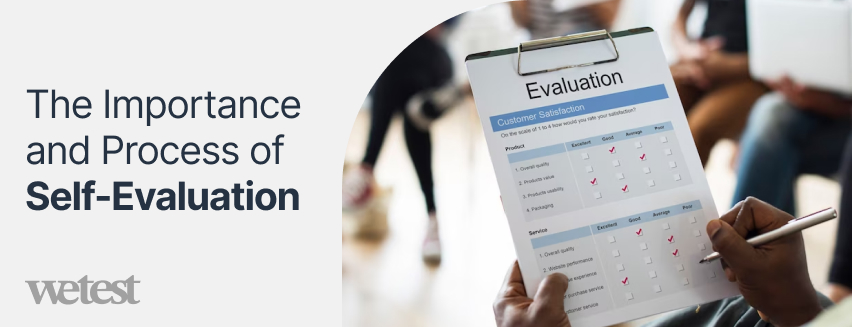
Self-evaluation is your secret weapon for winning the job hunting over everyone else! You should assess yourself before an employer does. Want to know how you should evaluate yourself?
It’s pretty simple. Just ask yourself the essential questions you may be requested in an interview. Why do you want this specific job? What skills and experiences make you eligible for it? Why should this company hire you and not another candidate?
This self-discovery makes you readier than ever for an interview!
Self-evaluation for a job interview: your step-by-step guide
If you want to evaluate yourself before an interview, here’s a guide:
Step 1: Reflect on Your Skills and Experiences
List your skills, experiences, and achievements. Identify your strengths, weaknesses, and areas for improvement. Consider how these align with your career goals and the job market demands.
Step 2: Assess Your Career Interests and Goals
Know your career interests and long-term goals. Determine the industries, job roles, and work environments that fit your passions. Evaluate whether your current path is aligned or if it needs some adjustments.
Step 3: Review Your Professional Accomplishments
Review your professional accomplishments and successes. Identify projects or initiatives where you significantly impacted, received recognition, or achieved notable results. This helps you showcase your value to potential employers.
Step 4: Analyze Feedback and Performance
Take another look at the feedback received from previous employers, colleagues, or mentors. Assess your performance in past roles, identifying areas of improvement and lessons you learned. Use this feedback to enhance your skills and improve any weaknesses.
Step 5: Identify Transferable Skills
Identify transferable hard and soft skills that can be applied across different industries or roles. These skills may include problem-solving, leadership, communication, or adaptability. Recognize how these skills can benefit your future career.
Step 6: Set Goals and Action Steps
Set specific goals and action steps to address areas of improvement Based on your self-evaluation. Create a plan to improve your skills, gain new experiences, or pursue additional education or certifications.
Step 7: Regularly Review and Update
Self-evaluation is an ongoing process. Review and update your self-assessment as you gain new experiences, skills, and achievements occasionally. Continuously adapt and refine your career goals based on your evolving interest and the job market dynamic.
Ensuring Honesty on Your Resume

Honesty is the secret sauce that gives your resume its true power. It builds trust if it is authentic, and it sets realistic expectations for your potential employer. It may also create connections for you even if you don’t get a specific job.
Employers are all looking for reliable and trustworthy employees, often formalized through a performance contract. Starting a job with deception is the last thing you need in your professional path. Also, remember that your resume acts as a roadmap for your future employer, guiding them to understand what you bring to the table.
The employer may set their expectations higher than your abilities if you exaggerate them. This will lead to losing a job you found after making all the effort. Doesn’t worth it, right?
Dangers of Padding Your Resume
There are also more serious consequences for not being honest in a CV. What problems will you face if you lie on a resume?
Damage to Professional Reputation
If hiring managers or employers discover that you have falsified some information on your resume, it can seriously damage your professional reputation and credibility. Trust is a vital factor in building successful professional relationships.
Negative Impact on Job Prospects
Padding your resume may help you secure an interview initially, but if you cannot prove the skills or experiences you claimed, it can lead to disappointment and rejection. Employers expect honesty and authenticity during hiring; dishonesty is a big red flag!
Legal Consequences
Misrepresenting your qualifications or experiences on a resume can get you caught in legal ramifications. Depending on the jurisdiction, it may be considered fraud or result in legal actions, such as termination or civil liabilities. You don’t want to make life more complicated, though!
Loss of Job Opportunities
If discovered, the negative perception created by resume padding can sabotage your future job opportunities. Word travels within professional networks, and employers may share information about dishonest applicants, affecting your chances of getting the desired positions.
Damage to Personal Brand
Having a personal brand is a must in today’s professional world. It’s built on your reputation and the value you bring to the table. By not being honest on your resume, you risk breaking that brand, making it challenging to regain trust and credibility in the professional world.
The Value of Patience and Perseverance
You must be very patient in finding a job. It’s both a matter of patience and perseverance. But how come?
Job Hunting as a Test of Endurance
Job hunting may lead to the perfect opportunity, but it initially requires a lot of endurance. One may say it resembles a maze filled with unexpected twists and turns. You can think of job-seeking as a marathon rather than a sprint.
Each application, interview, and rejection add to your experience and teaches you to be better the next time. Embrace its ups and downs because this journey is about improving, not just finishing the line!
Harnessing the Power of Persistence
The power of persistence is what makes candidates different. You should focus on your goals and picture the ideal job. This lets you adapt your strategies and approach new opportunities accordingly. Embrace rejection as a chance to refine your approach or grow personally and professionally.
Remember, the ones who win this race are the ones who have been rejected multiple times. But instead of mopping over it, they stood up and tried again!
Tailoring Your Application to the Job
You can’t and shouldn’t use the same resume for every job application. You should design a special resume for each one, and yes! It’s necessary!
Why One-Size-Fits-All Doesn’t Work for Resumes
If you’re new to the game, you have to know that one-size-fits-all is a recipe for disaster. You can’t simply send that old resume to tens of jobs and expect it to work like magic for every job application. Why? Because the hiring manager probably has mastered resume reading after seeing so many resumes.
The hiring managers usually climb a mountain of resumes and CVs, looking for a diamond in the rough! They look for the perfect fit, and they can recognize if a resume is tailored to the position they’re offering or if it is designed for every job!
The applicants who craft their application based on the job offer are the most likely to get it!
Making Your Resume Speak the Job’s Language

Step 1: Analyze the Job Description Carefully
Read and understand the job description to identify key requirements, skills, and qualifications the employer seeks.
Step 2: Highlight Relevant Keywords
Pay attention to the keywords and phrases frequently mentioned in the job description. These keywords often represent critical skills or qualifications desired by the employer. Use them in your resume.
Step 3: Tailor Your Professional Summary
Craft a professional summary aligning your experience, skills, and qualifications with the job’s requirements. Use language that mirrors the job description.
Step 4: Customize Your Experience Section
Highlight your experience section to showcase relevant accomplishments, responsibilities, and projects. You should demonstrate your ability to perform the job’s required tasks and responsibilities this way.
Step 5: Showcase Relevant Skills
Emphasize your skills that directly align with the job’s requirements. Use bullet points to highlight these skills in your skills section and incorporate them in the descriptions of your work experience.
Step 6: Quantify Achievements
If possible, quantify your achievements with numbers, percentages, or other measurable indicators. This provides solid evidence of your value and helps employers understand why you choose you.
Step 7: Include Relevant Certifications and Training
If you have obtained any certifications or completed training programs that apply to the job, mention them in a separate section or within your education section.
Step 8: Utilize Action Verbs
A simple but important trick is to begin bullet points with strong action verbs. This makes your statements more dynamic and engaging; while helping to demonstrate your capability to take initiative.
Step 9: Remove Irrelevant Information
Ensure that your resume only includes information directly relevant to the job you’re applying for. Just erase any unrelated experiences or skills that do not contribute to the job.
Step 10: Proofread and Review
Carefully proofread your resume for grammar, spelling, and formatting errors. Seek feedback from trusted individuals to ensure clarity, coherence, and overall effectiveness of your resume in speaking the job’s language.
How Your Online Presence Can Impact Your Job Prospects

Your online image has a powerful influence on your job-seeking process. As mentioned before, employers look you up to ensure hiring you is the right choice. So, having a positive online presence attracts the right opportunities right at you!
Curating a professional online image
Here are some strategies that help you create a professional online image of yourself:
Step 1: Google Yourself
Begin by looking up your current online image. Search your name on different search engines and see what comes up.
Step 2: Clean Up Social Media Profiles
Go through all your social media platforms. Delete any inappropriate or unprofessional posts, photos, or comments. You don’t want to be judged by them!
Step 3: Update Your LinkedIn Profile
Make sure your LinkedIn is up-to-date with your latest experiences. Use a professional profile picture and optimize your headline and summary. Make it look pro!
Step 4: Control Your Privacy Settings
Utilize privacy settings on personal social media accounts to control what potential employers can see. This helps separate your professional and personal lives online. You have the right to be less professional among friends, right?
Step 5: Create a Professional Persona
Sharing industry-related articles, participating in professional group discussions, and posting thoughtful comments are helpful. These acts demonstrate your passion and knowledge in your field.
Step 6: Monitor Your Online Reputation
Use tools to set up alerts for your name to monitor what’s being said about you online. This way, you can prevent the disaster!
Step 7: Build a Professional Website or Portfolio
Especially for creative industries, having a professional website or online portfolio to showcase your work can enhance your online presence. If it’s irrelevant to your field, just leave it.
The Art of the Interview: Excelling at the Crucial Stage

You may get the call after sending your resume and go on an interview with your potential employer. It may go well, or you may not know how it went. One way or another, you never hear back from them. It seems like you’re stuck in the interview phase forever! What can be done about this? Let’s dive in!
Exploring Reasons Behind Unsuccessful Interviews
Here are some reasons why you didn’t get the job after an interview:
Lack of Preparation
Insufficient preparation can lead to a lack of confidence, stumbling over answers, or inability to effectively showcase your skills and experiences.
Poor Communication Skills
Ineffective communication can leave a negative impression on interviewers, such as rambling or not articulating thoughts clearly.
Insufficient Knowledge of the Company
Failing to research the company thoroughly can demonstrate a lack of genuine interest and preparation, diminishing your chances of success.
Inadequate Understanding of the Job Role
Not fully comprehending the requirements and responsibilities of the position can lead to vague or irrelevant responses during the interview.
Lack of Enthusiasm and Engagement
Showing a lack of enthusiasm or failing to engage with the interviewer actively can give the impression that you’re not genuinely interested in the role.
Inability to Demonstrate Fit
If you’re unable to effectively convey how your skills and experiences align with the company culture and job requirements, it may raise doubts about your suitability for the role.
Overconfidence or Arrogance
Coming across as overly confident or arrogant can be off-putting to interviewers, as they may perceive you as difficult to work with or unwilling to learn.
Failure to Ask Thoughtful Questions
Not asking relevant and insightful questions about the role or the company can demonstrate a lack of interest, preparation, or curiosity.
Preparing for success in job interviews
For getting the best results in your next interviews, try these tips:
Research the Company
Thoroughly research the company’s background, mission, values, and recent news or achievements. This knowledge will demonstrate your genuine interest and enable you to tailor your responses accordingly.
Understand the Job Requirements
Familiarize yourself with the job description and understand the key responsibilities and qualifications. Prepare specific examples from your experience that align with those requirements.
Practice Common Interview Questions
Practice answering common interview questions to develop concise and well-structured responses. Focus on highlighting your skills, experiences, and achievements relevant to the position.
Rehearse with Mock Interviews
Try mock interviews with a friend or mentor who can simulate the experience. This will help you practice your responses, improve delivery, and receive feedback.
Dress Professionally

Dress appropriately for the interview, adhering to the company’s dress code or opting for business professional attire. Your appearance should reflect your professionalism and respect for the opportunity.
Prepare Questions to Ask
Prepare a list of thoughtful questions to ask the interviewer. This demonstrates your interest, engagement, and proactive attitude toward the role and the company.
Review Your Resume and Application Materials
Familiarize yourself with your resume, cover letter, and application materials. Be prepared to discuss your experiences, skills, and accomplishments in detail.
Follow-Up with a Thank-You Note
Send a personalized thank-you note or email to the interviewer(s) within 24 hours of the interview. Express gratitude for the opportunity and reiterate your interest in the position.
Dealing with Rejection: How to Bounce Back from a No

Rejection is pretty natural when it comes to finding a job in a high-demanding market. You’re not the first person to get rejected or the last one. Many successful people we pick as our role models today have been rejected before finding themselves in the right place!
So, assume every rejection as an opportunity, and use the following strategies to get back on your road, more powerful than ever.
Handling Job Application Rejections
How to handle rejections for a job application? Here are some strategies!
Method 1: Embrace Resilience
Remember that job rejections are common and don’t define your worth as a professional. Maintain a positive mindset and resilience throughout the process.
Method 2: Seek Feedback
Contact the hiring manager or recruiter to politely ask for feedback on your application or interview performance. Use this feedback to improve and refine your approach.
Method 3: Reflect and Learn
Take some time to reflect on your job application materials and interview performance. Identify areas for improvement and work on enhancing your skills and experiences.
Method 4: Expand Your Job Search
Broaden your job search by exploring different industries, positions, or locations. Consider opportunities you might not have considered initially, and be open to new possibilities.
Frequently Asked Questions

Why am I struggling to find employment?
Finding a job can be challenging due to various factors, such as market conditions, competition, and specific job requirements. It’s important to improve your qualifications, skills, and job search strategies to identify areas for improvement.
What can I do to increase my chances of getting hired?
To enhance your chances of getting hired, focus on improving your qualifications and skills through education and training. Tailor your resume for each job application, network with professionals in your desired industry, and consider seeking feedback on your interview performance.
Additionally, using a jobs API can help you stay updated with the latest job openings that match your skill set.
How can I improve my job search results when facing multiple rejections?
Getting rejected can be discouraging, but don’t lose hope. Take time to reflect on your application materials and interview performance. Seek feedback from employers or professionals, make necessary adjustments, and persist in your job search with determination and a positive mindset.
Are there ways to speed up the job search process?
While immediate job placement is not guaranteed, there are strategies to expedite your job search. Optimize your resume and cover letter, actively network with industry professionals, consider temporary or contract work, attend job fairs, and utilize reputable online job search platforms.
What steps should I take after a job interview?
After a job interview, sending a thank-you note or email expressing your appreciation for the opportunity is advised. Take time to reflect on your performance, identifying areas of strength and improvement. Following up with the employer within an appropriate timeframe is also essential.
Should I follow up after a job interview?
Answer: Following up after a job interview is generally recommended. Sending a polite follow-up message shows your continued interest in the position. Express gratitude, reiterate your qualifications and enthusiasm, and inquire about the next steps in the hiring process.
How can I enhance my interview skills?
Improving interview skills requires practice and preparation. Research common interview questions, craft concise and compelling responses, and conduct mock interviews with a friend or mentor. Focus on showcasing your qualifications, actively listen during interviews, and maintain positive body language.
How long does it typically take to find a job?
The time it takes to find a job can vary depending on several factors, including the job market, industry, and qualifications. But based on your skills and other factors, it should take no longer than 6 months. If it does, you should take another look at your approach.
What are some online tools I can utilize in my job search?
Consider using job search engines like Indeed or LinkedIn’s job board, exploring industry-specific websites, and leveraging professional networking platforms like LinkedIn.
Last words
Don’t give up if you’re looking for a job and haven’t been successful yet. It’s normal to wait at least 6 months before finding a job that suits you. It is important to stay positive and motivated and never stop the improvement process. If you get disappointed, you’ll probably end up with a job below your skills.
Instead of sitting and nagging around about not getting employed after so long, tailor your application materials, polish your interview skills, and maintain a healthy dose of optimism. As we’ve learned together, you’ll survive unemployment in no time by tailoring your resume and cover letter, keeping your references up-to-date, and avoiding common job-seekers mistakes.
Start today by creating a wonderful online image of yourself, preparing the perfect outfit for the interview, and marking down your best skills and qualifications. Also, prepare yourself by assessing your abilities and the company you’ll potentially work for.
Remember, you’re not alone on this path! You will only find the job of your dreams by chasing your ambitions with confidence and using the hacks we told you about. So, good luck!
Hire the best candidates
with Wetest.
Create pre-employment assessments in minutes to screen candidates, save time, and hire the best talent.
Try for free