
Top Career Advice Questions to Ask Your Mentor
Leadership
Bonica
November 19, 2024
Having a veteran as a guide offers great advice, but knowing how to use this relationship effectively is the key. This is where asking the right questions becomes essential.
Your questions are a tool for eliciting the knowledge and perspectives that your mentor has learned over their career.
Many mentees make the common mistake of asking broad questions, but these are a starting point. They often fail to elicit the deep advice that helps you grow.
Ask personalized questions to show your mentor that you have a genuine interest in learning from their experiences and are serious about your personal and professional growth.
Rather than asking a general question about your career, ask a question to provide a specific story or lesson that offers actionable takeaways.
These questions give you access to more detailed advice and help build a deeper rapport with your mentor.
It signals your respect for their expertise and allows for more dynamic conversations where specific challenges and opportunities unique to your situation are discussed.
What truly makes a mentorship effective is your ability to take actionable steps. Setting clear goals and making a plan to follow up are crucial steps in getting the most from your mentor’s advice.
This approach helps bridge the gap between advice and tangible progress.
Table of Contents
Understanding Your Mentor’s Career

An essential benefit of a mentor-mentee relationship comes from understanding your mentor’s career.
Their experiences provide you with valuable context. It helps you see the real-world application of the advice they give you later on.
Asking thoughtful questions about their path offers you guidance and builds a deeper connection.
How Did You Get Started in Your Career?
This is often a great opening question to ask your mentor. Understanding how they began their career tells you about the early steps that shaped their career.
Whether they started in a related field or pivoted from a completely different one, their initial choices give you ideas about how to navigate your own entry into the industry.
Their response reveals key factors. You will know about the right time to take risks early on and the importance of networking. Without a mentor, you will ignore a minor decision that opens a significant door.
Dig deeper by asking about the influences that led to their first job choice. For instance, ask them what motivated them to choose this path.
What Was a Turning Point in Your Career?

Every career has its defining moments.
There are some decisions or experiences that change the course of a person’s professional life. This question helps you identify these moments in your mentor’s journey and understand why they were so impactful.
Mentors’ stories reveal crucial turning points. like taking a leap of faith with a new job, facing a major setback, or making a strategic career move that paid off in unexpected ways.
Learning from their experiences helps you overcome your own career obstacles.
Ask for more specifics about how they made decisions during these times. Ask them what factors they consider when making that choice.
What Would You Do Differently If You Could Go Back?
Hindsight is an influential teacher. Tap into their reflections on mistakes and missed opportunities they might have chosen differently.
This question allows you to learn from their regrets.
Ask your mentor how they will apply this hindsight to your situation. Ask him what he would advise someone in my position to focus on or avoid.
Career Development and Growth
Career development needs continuously refining your skills. You should set meaningful goals and adapt to changes.
How Can I Identify My Career Path?

Finding the right career path is challenging. You should balance your passions with practical considerations.
To get more tailored advice, ask your mentor about the steps they took to identify their own career path. Ask how they weigh their interests against job market trends.
What Skills Should I Focus on Developing?
Keeping your skills updated should be your priority. Your mentor’s industry experience helps you identify which skills are currently in high demand and which ones will become crucial in the future.
Hard skills like technical expertise and soft skills like communication abilities could be discussed.
Ask for specific advice based on your career goals or field. Ask them which skills will be most valuable in the next 5-10 years.
How to Set Career Goals?

Learn how to set clear goals by asking your mentor how they approach goal-setting. They have different strategies and frameworks they have found effective.
SMART goals or OKRs are among their best. Their idea about overcoming obstacles or revising goals based on changing circumstances provides practical guidance for shaping your own career plans.
Their ideas about overcoming obstacles or revising goals based on changing circumstances provide practical guidance for shaping your career plans.
Ask your mentor about their process. Ask how they decide which goals to prioritize.
How to Stay Relevant?
New technologies and business practices are constantly emerging. Understanding how your mentor has adapted to changes offers you a roadmap for remaining relevant.
Their experience guides you in positioning yourself for future shifts in the market.
It involves learning new skills, staying informed about industry trends, or being open to new opportunities.
Ask how they handle a major shift in industry standards or technology.
Workplace Challenges

The professional world is full of hurdles! Personal setbacks and conflicts with colleagues are unavoidable. Surviving through these challenges is key to career success.
Having a mentor who has faced similar issues is a valuable resource.
How Should I Handle Failure?
How you respond to it makes all the difference!
Ask your mentor about their approach to handling failure to learn their strategies for building resilience and turning setbacks into learning experiences.
They will tell you how they processed these events emotionally and the steps they took to recover and move forward.
Consider asking your mentor for specific techniques they use to handle failure. Ask how they shift their mindset from focusing on the failure to finding solutions.
How Do You Approach Conflict Resolution?

Conflict is common in any workplace. It happens between team members or during negotiations with clients.
This question helps you learn how to handle disagreements at work professionally and maintain strong working relationships even in challenging situations.
Ask what was one of the most challenging conflicts they had to resolve at work.
How Do You Deal with Imposter Syndrome?

Imposter syndrome and burnout are two significant issues many professionals face!
Imposter syndrome makes you feel unworthy of your accomplishments, while burnout results from overwork.
Ask your mentor to learn coping mechanisms and preventive strategies. They will give you tips on setting boundaries or using mindfulness techniques.
Ask for more personalized advice based on your own experiences. Ask when they’ve felt stressed at work what steps they take to regain balance.
What’s the Toughest Decision for a Leader?
Leaders face difficult choices that impact their companies.
Understanding the thought process behind these challenging decisions helps you better grasp strategic thinking and risk assessment.
Your mentor will teach you how to handle uncertainty.
Ask for details about the situation to understand the reasoning behind their decision. Ask how they weigh the pros and cons of their options.
Improving Leadership and Influence

Take it into account if you want to lead a team and manage projects or become an influential voice in your field. You should understand key aspects of leadership and influence.
What Leadership Qualities Do You Admire Most?
Every good leader has some qualities in mind they try to live up to. Mentors value some traits in a leader, such as integrity or decisiveness. By understanding which traits they admire and why, you will identify areas for personal growth.
It’s also an opportunity to learn about examples of leaders who have inspired your mentor and how these qualities have been instrumental in their success.
Ask your mentor for specific instances where a particular leadership quality made a significant impact. Ask if they can share an example of a time when a leader’s decisiveness changed the outcome of a project.
How Do You Motivate Teams Effectively?

Effective leadership is about inspiring people to perform at their best in any workplace.
Ask this question to learn strategies your mentor uses to engage their team. You should learn methods for recognizing team members’ strengths and providing feedback.
Ask what techniques they use to keep their team motivated during challenging projects.
Can You Share Your Experience of Leading Through a Crisis?
Crises test a leader’s ability to stay calm and make quick decisions. Knowing about your mentor’s experience in managing crises improves your problem-solving.
Ask how they prioritized tasks and communicated with their team during the crisis.
Which Elements of Effective Communication Are Vital?
You should be able to convey your message clearly and listen actively. A good leader adapts their communication style to different audiences.
Learn some techniques to improve your interpersonal skills. Managing difficult conversations with diplomacy is what your mentor should teach you.
Ask how they handle misunderstandings or miscommunications in their team.
Career Transitions

Transitions are both exciting and daunting! A shift in industries or roles brings stressful conditions.
You need to learn how to identify the right opportunities and make informed decisions.
How Should I Start a Career Change?
Ask this If you’re considering switching industries or shifting to a different role. This question helps you identify transferable skills and prepare for new challenges.
Ask what the biggest challenges they faced were when making a career change.
What Advice Would You Give for a Shift?
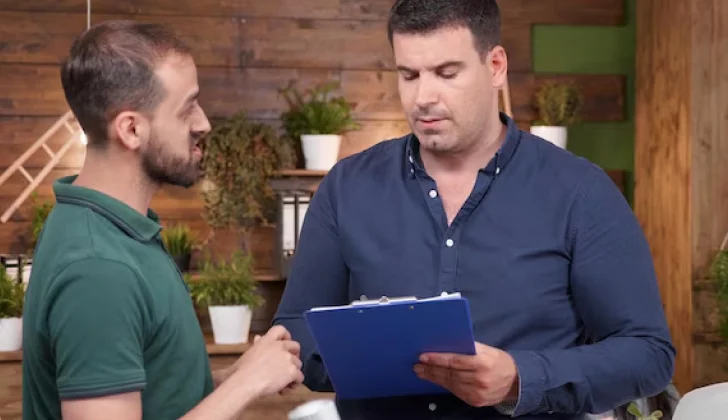
These shifts bring greater risks and need careful planning. Your mentor will teach you to assess your current skill set and identify potential gaps.
Their advice helps you balance the risks and opportunities.
Ask how they assess the risks before making their mid-career shift.
How Do I Position Myself for New Opportunities?
You need practical tips on updating your resume and refining your personal brand. Learning how to expand your network is the next step.
This question allows you to gather actionable advice on presenting your skills in a way that appeals to potential employers in your desired field.
Ask what specific changes should be made to the resume when applying for roles in a different industry.
How to Stay Competitive During Industry Shifts?
This question helps you learn about emerging skills or market trends that are gaining importance.
Your mentor should teach you about the areas where you need to upskill and remain relevant in a shifting job market.
Ask what skills they think will be in high demand in the next few years.
Personal Branding and Networking

You need to establish your presence in the industry, and asking questions to learn about personal branding is vital.
How Can I Build a Strong Personal Brand?
You should ask these questions to learn how to communicate your unique strengths and skills.
Your mentor has built their own brand and knows the strategies that have been successful in their industry.
Ask what elements of personal branding have made the biggest impact in their career.
What Are Your Best Networking Tips?

Creating professional relationships is essential. Ask your mentor for their top networking tips.
Learn how to approach new contacts and follow up effectively.
Ask how they keep in touch with their professional contacts over time.
How to Use Social Media for Growth?
Social media platforms have become crucial tools for career development. You should learn how to use these platforms to improve visibility and engage with industry content.
Sharing content and networking builds a strong online presence.
Ask what type of content should be shared on LinkedIn to show expertise.
A Quora Rundown

What questions to ask a mentor is a popular discussion on Quora! Some professionals have shared their stories.
Ray Brown, a CEO Coach and Mentor emphasizes that if you have a good mentor, you shouldn’t stress too much about coming up with the right questions.
He suggests that a mentor will guide the conversation and ask questions themselves. They ask about your career background and any current challenges you’re facing.
Brown believes that a mentor’s role is to improve a dialogue that naturally leads to meaningful guidance.
Steve Chapman, an experienced entrepreneur, offers a different angle! He believes you should understand the foundational aspects of business.
He suggests asking your mentor about critical components like a business’s structure and the differences between a business plan and an action plan.
Harban, a former HR executive, focuses on personal and professional development. He recommends asking questions about self-improvement, such as what skills to develop and what books to read.
Angela Carleton shares a personal narrative of her first mentor’s impact on her life beyond career advice. Her mentor, despite struggling with alcoholism, provided guidance that shaped her perspective on education and self-care.
She recalls the mentor encouraging her to focus on her health and avoid bad habits. This story shows that mentorship offers life lessons that influence one’s outlook.
The key takeaway is to approach mentorship with a mindset open to learning from both the structured guidance and the personal experiences shared by your mentor.
Conclusion
Good questions are the heart of a great mentor-mentee relationship.
Understanding your mentor’s career development will help you to overcome workplace challenges and build your branding.
Tailored questions help forge a deeper connection with your mentor and gain clarity and actionable guidance that aligns with your specific career path.
It’s essential to remember that while asking the right questions is important, listening actively and applying the feedback you receive are also important.
The quality of your mentorship experience depends on your willingness to engage fully and seek feedback.
You need a thoughtful approach to questioning and a genuine openness to learning!
Hire the best candidates
with Wetest.
Create pre-employment assessments in minutes to screen candidates, save time, and hire the best talent.
Try for free