
Professional Tips for Tendering a Resignation the Right Way
Employment
Bonica
January 10, 2025
Resigning from a job is usually filled with mixed emotions and uncertainties. The way you tender your resignation builds a strong professional reputation. It’s about ensuring that you close this chapter with ease before paving the way for future success.
Resigning badly damages relationships and puts a blemish on your image. It could hurt your chances of getting good references as well!
A professional exit helps you leave on positive terms and preserve goodwill with the company at large. This is important because you never know when your paths cross again.
The key to resigning the right way is to maintain professionalism at every step. It’s essential to approach the process with respect for your employer while prioritizing your goals.
This means understanding the appropriate notice period and offering support for the transition. These steps show you’re an honest person.
A well-handled resignation brings a personal growth opportunity. It gives you time to think about your experiences. This allows you to articulate your reasons for moving on thoughtfully and sets the tone for how you’ll approach future roles.
You should safeguard your professional reputation and make your departure respectful and strategic.
Table of Contents
Pre-Resignation Steps

It’s essential to approach the decision with preparation. A rushed departure leads to complications. Take the time to think carefully about your situation.
Evaluate Your Decision
You should know why you’re considering leaving your current role.
Is it due to dissatisfaction with your job? Are you desiring to explore new horizons?
Understanding the real reason for your decision will help you know if resignation is the best course of action or if alternative solutions address your concerns.
You should assess your financial readiness and job security as well. Consider if you can comfortably manage without a steady income for a period.
Having a clear plan and safety net is vital to avoid unnecessary stress.
Timing Matters

Choosing the right time to resign impacts your experience. It also affects the company’s ability to adapt.
Try to resign during a less hectic period to give your employer time to plan for your replacement. Give your employer time to figure out who will do your work.
Personal timing is equally important.
Ensure that your decision fits your long-term goals. A well-timed resignation supports your transition.
Understand Your Employment Terms
Review your employment contract and company policies.
Pay close attention to clauses related to notice periods and other post-employment restrictions. You must follow these rules to avoid getting into legal trouble or damaging your reputation.
Get advice from HR or consult a lawyer for legal advice.
Knowing your obligations helps you resign correctly and protects you from complications down the road.
You should try to make the resignation process good for both you and your employer.
The Resignation Process

A thoughtful approach ensures that your exit is professional. Manage it in a way to maintain strong relationships with your employer and colleagues.
Schedule a Meeting
A meeting with your manager delivers the news personally.
This is a critical step as it shows respect while giving your manager the chance to hear directly from you.
Prepare for this conversation by outlining your key points.
Clearly explain your decision and express gratitude for the opportunities you’ve had.
Everybody has some experiences that haven’t been ideal but we should always avoid emotional responses that bring negativity.
A composed discussion sets a positive tone for your resignation.
Consider a video call for remote work.
Drafting a Formal Resignation Letter

This document is an official record of your intent to leave and should be written carefully.
Start with a statement that you are resigning from your position and specify the role you’re leaving.
Include your final working day. Make sure to adhere to the notice period in your contract.
Express appreciation for the support you’ve gained during your work.
Extend your willingness to help with the handover process. You can train your replacement. Documenting ongoing tasks is another job you can help with.
Communicating with Colleagues
Now, your resignation is formally accepted. It’s time to inform your colleagues.
Approach this step with tact.
Share the news in person or through a team announcement. Consider your workplace culture to decide.
Focus on expressing gratitude for the collaboration you’ve received. Avoid discussing sensitive details about your decision to leave.
A positive tone will make your colleagues think well of you. It gives you valuable relationships for the future.
Handling Counteroffers and Exit Interviews

These steps require consideration. They significantly influence your departure and future opportunities.
Dealing with Counteroffers
Your employer will present a counteroffer to retain you.
A salary increase with additional benefits or promises of career advancement is usually among them.
It is tempting to accept but assess the offer objectively. Stay aligned with your original reasons for resigning.
Start by thinking about why you chose to leave. Was it solely for financial reasons? Were there deeper issues like lack of growth and dissatisfaction with the work culture?
Accepting a counteroffer provides relief but could leave big problems unresolved.
Consider the implications of staying after resigning. Relationships with colleagues or management shift and the trust factor changes.
Statistics suggest that employees who accept counteroffers often leave within six months because the initial reasons for resignation come back!
Make sure it’s a decision that prioritizes your long-term interests.
Exit Interviews

They bring an opportunity for employers to gather feedback about your experience.
It’s important to be honest but diplomacy is key to ensure that your feedback is constructive.
Share your reasons for leaving in a way that is truthful.
Focus on themes like seeking new challenges or career growth. Avoid pinpointing conflicts. This approach reflects maturity.
Use the exit interview as an opportunity to give feedback that helps them improve.
Talk about what the company does well and suggest ways to fix the issues you saw. Avoid criticizing a lack of support. Turn it into a suggestion to invest in better employee training or mentorship programs!
You leave the door open for future interactions.
Making Transition Easier

You can leave your role with integrity while bringing minimal disruption to your team. This approach reflects well on you.
Planning Your Handover
The first step to a transition is organizing a handover plan.
This plan should include all necessary information about your ongoing projects and workflows. You should allow your successor or team members to pick up where you left off.
Create a list of your current tasks and deadlines. Include key contacts and relevant files or documentation. This serves as a roadmap that reduces confusion and ensures continuity.
Offer to train your replacement or provide a detailed briefing. Walk them through your daily tasks and share anything that could help them succeed in the role. If they haven’t found a replacement yet, ensure your colleagues are informed about any immediate responsibilities.
Supporting Team Continuity

Work with them to reassign tasks. Deadlines and deliverables should still be met even after you leave.
Try to figure out any problems that might happen after you leave and suggest ways to fix them.
Help create a plan for your last days that includes finishing projects, sharing your knowledge, and introducing your replacement.
Help your team maintain morale during the transition.
Have a supportive attitude throughout your notice period. Show your team you care about leaving things in good order.
Common Mistakes to Avoid

One of the most damaging errors is resigning without giving notice.
I know it’s tempting to walk away abruptly when you’re dissatisfied with your role. However, doing so harms you. Many industries are tightly knit! Unprofessional exits spread quickly!
Employers often rely on notice periods to manage transitions. Not doing this will make it hard for your team and could also hurt your references.
Burning Bridges
Expressing anger or criticism tarnishes your image. Burning bridges with colleagues or managers closes doors to future recommendations.
Try to stay positive while you’re resigning. Frame your decision as a career move.
Focus on the skills and knowledge you gained. Stay diplomatic and leave with dignity!
Impulsive Resignations
Quitting without a solid plan is another common mistake.
I understand leaving a stressful job seems liberating. However, it leads to career setbacks. You find yourself in a prolonged job search that strains your resources.
Take the time to evaluate your decision.
Securing a new position is ideal. If not, consider talking to your employer first for potential solutions.
The Psychology of Resignation

Many experience a range of emotions, from guilt to fear, when leaving a job.
The decision to resign is complex. It’s worse when you feel a sense of loyalty to the company or if you’re uncertain about what comes next.
Dealing with these feelings is important for staying clear and confident throughout the process.
Guilt often stems from a fear of letting down the team or leaving behind unfinished work.
Remind yourself that your decision is necessary. You deserve the opportunity for a new challenge.
Taking the time to think about why you are leaving and what you’ve learned from your time in the position will help you leave easily.
A Quora Rundown
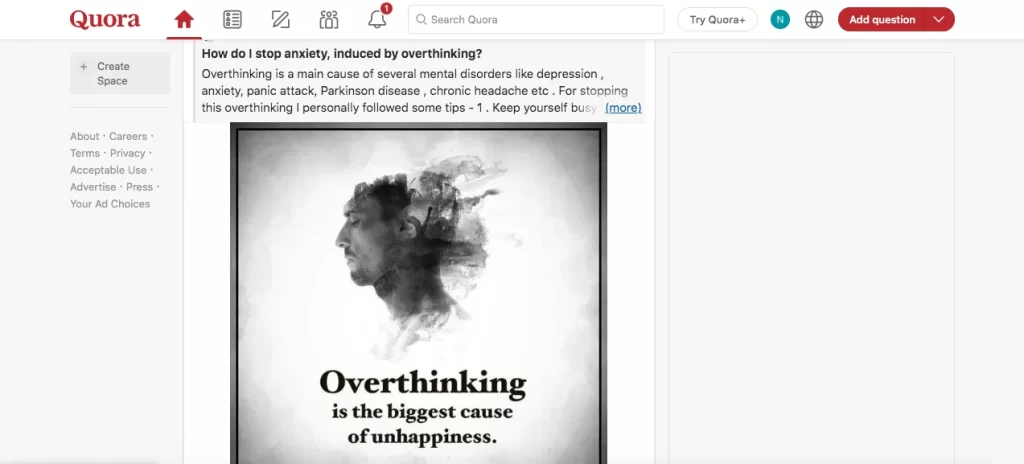
Quora users have offered helpful advice from their own experiences.
Writing a Positive Resignation Letter
Many Quora users agree that the tone of your resignation letter is crucial. Alexander Kagahastian points out the importance of staying positive.
He shares an example of a letter where he expresses gratitude toward his employer. He writes, “Working with the highly dedicated team…has immensely contributed to my professional growth.” This method ensures that you leave on a good note.
Direct Communication
Several users suggest delivering your resignation letter personally.
Jérôme Cukier believes it should start with a direct conversation with your boss. You demonstrate respect for the relationship you’ve built. Afterward, follow their lead when it comes to informing colleagues.
This approach brings transparency.
Simplicity and Clarity

Sarah Winston suggests that resignation letters should be simple. Her advice is to clearly state the reason for your departure. Include your effective date, and thank your employer for the job.
Irfan Ahmed also recommends writing a professional resignation letter that stays positive, even if you have negative feelings about it. He adds, “Anything in writing from your side MUST sound positive and good.”
Handling the Transition
Carolyn Dakis provides practical advice on managing the transition.
She recommends discussing your plans with your supervisor before informing others. She also says it’s important to give 2-4 weeks’ notice. Additionally, offering to train your successor or help shows your commitment to leaving on a professional note.
Dealing with Counteroffers
Some users share their experiences with counteroffers. Gerry Mann recommends being prepared for the possibility that your employer makes a counteroffer.
He suggests politely declining the offer when your decision to leave is based on personal reasons. This agrees with Daniel Drummond’s advice to remain positive, as you never know when you might need a reference from your former employer in the future.
Respecting Workplace Dynamics

A final piece of advice comes from K. D. Lowe, who encourages us to follow our employee manual.
Lowe argues that maintaining professionalism is vital. Leaving a job could require re-entering the company at a later date. By sticking to the guidelines, you ensure that you remain in good standing, should you need to return.
Conclusion
Resigning from a job is an important career decision. It requires consideration. A respectful resignation protects your reputation within the industry.
The manner in which you resign affects your future career.
Resignation should be handled with tact and gratitude. Write a polite resignation letter, keep open communication with your employer, and offer assistance during the transition.
How you leave a company shapes how you’re remembered by colleagues and supervisors. It possibly influences future references and opportunities.
Resigning with professionalism is about positioning yourself for future success.
Don’t burn bridges and keep a positive outlook on your career to get ahead!
Hire the best candidates
with Wetest.
Create pre-employment assessments in minutes to screen candidates, save time, and hire the best talent.
Try for free