
How to Write a Resignation Letter: Easy-to-Use Template
Employment
Bonica
November 29, 2024
Do you think of a resignation letter as a formality? I’ll prove It’s an essential step in leaving your job!
Nearly 4 million Americans change jobs each month! Around 75% of employers prefer receiving a formal resignation letter to clearly record the employee’s intentions and plan for staffing adjustments.
Are you taking a career break or pursuing personal goals? A resignation letter is there to help you communicate your decision with positive connections.
Writing this letter with care is valuable for maintaining a strong professional network. Past employers often become reference contacts for future opportunities.
Your time with the company had its challenges. In any case, a respectful letter helps you leave on good terms with an emphasis on the skills you gained in the role.
It’s also an opportunity to improve your promise of a smooth handover of your duties. This shows your work ethic!
What is the best way to write it? Keep it simple, but leave no essential detail unaddressed!
Table of Contents
What is a Resignation Letter?
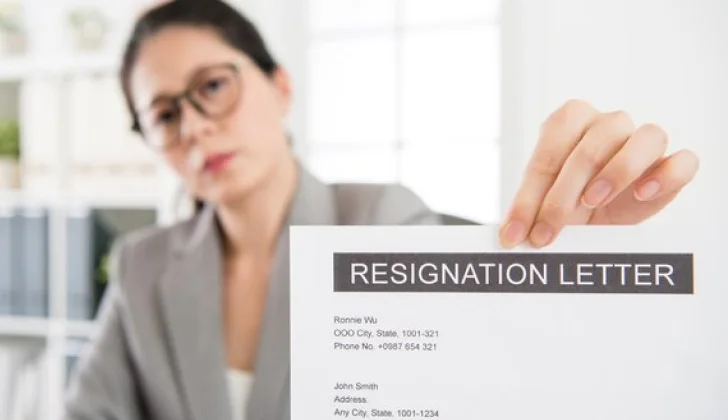
A resignation letter is submitted to the employer to officially announce the decision to leave.
The letter clearly records the employee’s intention to depart and details the final working day. An offer to assist in the transition process makes it even better.
It’s a simple step, but it has a big impact! Employer and employee will be on the same page regarding the transition.
The employee acknowledges the importance of their responsibility by letting their employer know about it on time.
This letter shows a willingness to support the company as it prepares to fill the vacant position.
Do it if you are looking to improve your career by maintaining a strong network. You will secure future references for sure.
You help the company and yourself by giving a clear timeline. You mention the last working day, and the employer knows when to begin hiring or shifting tasks.
You give yourself a chance to formally close one chapter and ensure that you are leaving your position in good standing. The company and you will approach the final work days with a mutual understanding and end it with a respectful departure.
Key Elements

Focus on crucial elements of the resignation letter to make it the best case scenario.
Tone and Style
The first element to focus on is the tone. Your letter should show that you value your work experience with the company.
Using straightforward language makes your message as intended and leaves no room for misunderstanding.
This clarity is key regardless of your reasons for leaving. It’s equally important to avoid excessive detail.
I understand you may have personal motivations or specific reasons for your decision, but a resignation letter should be concise without discussing frustrations or personal conflicts. You’re writing it for the sole purpose of professionalism.
Employers often appreciate employees who handle their leaving thoughtfully. Be objective and direct to set a constructive tone for any future conversations!
Date and Contact Information

The correct date and contact information will help you establish a formal record of your leaving.
Begin your letter by listing your own contact information and then mentioning the date. Including the company’s contact information is another standard in these letters.
Start with your full name, address, phone number, and email address, aligned to the left margin.
You are doing this to allow the company to reach out if needed.
Bring the date you are sending the letter beneath. Below the date, add the company’s information. Consider whether you are sending it to your manager directly or HR representative.
Statement of Resignation
It’s the core of your letter to remove ambiguity about your intention to leave the company.
Discuss your decision to resign in simple language. It sets a professional tone for the remainder of the letter and makes the purpose of the letter immediately clear.
Keep the statement brief. Sentences should be that clear to leave no question about your intent.
Last Working Day

Discussing your final working day gives your employer a clear timeline to get along with your leaving.
An exact date is needed to arrange a replacement and plan for any handover of duties.
Get any information you need on company policy on notice periods. Many of them need two weeks’ notice but it varies.
They will definitely be happy If you can offer flexibility with your final date.
Reason for Leaving
Discussing your reasons for leaving is optional. It’s best to keep this part brief or leave it out altogether!
Why optional? Because there are both pros and cons to doing so!
Sharing a reason provides context and improves positive intentions. It can even help to maintain a good relationship with your employer if you hope to return, but providing too much information affects the tone of your letter. It will be the worst case scenario if you talk about any negative experiences.
You may also face unnecessary questions or discussions when your reason is sensitive.
Keep it neutral. Your ultimate purpose is showing readiness to support the company get along with your exit.
Gratitude!

Recognizing your growth during your time with the company is all professionalism. It reflects well on your character.
Mention skills you developed in the role.
We all usually learn about teamwork experience, and that’s what you can talk about in any role in any company. Anything that contributed to your personal growth could be talked about here.
Do it sincerely with a focus on the positive aspects of your experience. Keep the door open for the future!
Offer to Assist

Offering to assist could be training a replacement or organizing a handover of your responsibilities.
Considering your team’s needs helps ease the burden on your coworkers during this time.
Be specific about how you can assist, but don’t overcommit yourself!
Closing and Signature
The closing is best to be polite as you need a nice final impression.
Show your goodwill as you prepare to exit the role.
Choose the closing phrase and leave a space for your signature if sending a printed letter. Then, type your full name beneath it.
Simply type your name below the closing when Emailing it.
It wraps up your resignation with a respectful touch.
Resignation Letter Template

This template includes all the essential elements we’ve discussed.
I recommend that you personalize it based on your unique situation.
[Your Full Name]
[Your Address]
[City, State, ZIP Code]
[Your Email Address]
[Your Phone Number]
[Date]
[Recipient’s Name]
[Recipient’s Title]
[Company’s Name]
[Company’s Address]
[City, State, ZIP Code]
Dear [Recipient’s Name],
I am writing to formally announce my resignation from the position of [Your Position] at [Company’s Name], effective [Your Last Working Day, e.g., two weeks from the date above]. This decision has not come easily, and I am genuinely grateful for the opportunity to have contributed to [Company’s Name].
Throughout my time here, I have gained invaluable skills and experiences, especially in [mention a specific project, skill, or positive experience, if desired]. I want to thank you for your support and mentorship, as well as the opportunities you’ve provided for my growth and development.
To ensure a smooth transition, I am more than willing to assist with any necessary training or to document my responsibilities in detail. Please let me know how I can be of help in preparing the team for my departure.
Thank you again for the opportunity to be part of [Company’s Name]. I look forward to staying connected and wish the team continued success.
Sincerely,
[Your Full Name]
Personalize the headers and replace placeholders with your unique info. Using the recipient’s name directly provides a personal touch and is recommended.
Edit all the sections based on your availability and the role’s needs.
This is a professional framework, but you can change it all the way.
Sending Tips

How you send your resignation letter can be as important as the content of the letter itself.
Timing is crucial when submitting.
You can schedule a private meeting to discuss it beforehand. What’s better than an open dialogue about your decision? Avoid busy periods for your team.
It’s best to align your leaving with completing a significant project or after critical deadlines.
Consider your required notice period as well. I recommend being mindful of your own timeline for starting a new job.
Check all your company’s policies in this regard. Some companies require formal forms to be filled out.
The method to send your resignation varies. Sending your resignation via email is often quicker and the only way if your supervisor works remotely.
It also gives you an electronic record of your resignation that can be easily referenced.
Still, a printed letter feels more personal and formal in traditional work environments. It’s a face-to-face delivery! Print your letter on quality paper and consider signing it in ink.
You can also combine these methods. Send an email and follow up with a printed letter!
I recommend preparing for a follow-up conversation as well. They have questions about your decision to leave for sure. Be ready to answer these questions calmly. Practicing how you will articulate your reasons helps a lot.
Focus on what you’ve enjoyed there and what you’ve learned. They may provide feedback or ask for your ideas on the team. Be open and constructive.
Use the last conversation to discuss how you can assist them again. Believe me, that’s pure professionalism!
Resigning Due to Poor Management: A Quora Rundown!

We’ve all focused on the positives in this retirement letter, but is it true even when leaving your job because of poor management? Let’s gather responses to that question on Quora!
They believe poor management and toxic work environments make leaving your job daunting.
Still, even in the worst situations, you can understand the key principles of effective resignation to exit gracefully.
Quora users agree that negative language and personal attacks should be avoided even if you are leaving due to poor management.
As one Quora user aptly put it, “It’s important to remember that your resignation letter is a reflection of your professionalism. It’s not a place to let out frustrations.”
What if toxic management has harmed your mental health? Saying thanks and offering assistance is counterintuitive, isn’t it? I understand, but people on Quora still think there are reasons to consider them!
Think of professionalism as a tool showing you can handle challenges gracefully!
Management was toxic, period! But colleagues or other staff members have supported you there. Being positive keeps those relationships alive.
The letter lets you leave the situation behind with a sense of completion and dignity. Employees take it as a chance to mitigate potential damage to their reputation.
Seemingly, resigning from a job under challenging conditions needs more strategic planning!
Conclusion
A resignation letter serves as a component of a professional exit strategy.
It reflects your appreciation for the opportunities you’ve had.
You express your gratitude and bring your reasons for leaving to keep all those valuable relationships alive for future opportunities.
Your resignation is a stepping stone in your career. Our customizable template, which should be tailored to your needs, makes the writing process easy and professional.
If you haven’t decided on the next chapter of your career, you can check websites like LinkedIn, which are really helpful for job searching and interview preparation.
Hire the best candidates
with Wetest.
Create pre-employment assessments in minutes to screen candidates, save time, and hire the best talent.
Try for free