
More than 90% of people decide to attend an event based on the invitation alone. That’s why designing and writing a great birthday party invitation is so important. It helps make sure your guests feel excited to attend.
The process of planning a birthday party includes a very important step: writing an invitation letter. Making the right invitation isn’t just about sharing the facts. It’s also about building excitement for the event. No matter how simple the occasion is, an invitation sets the stage. It gives important details that help guests come ready and excited.
How do you write a birthday party invitation? This guide will provide you with proven steps in creating an effective and catchy birthday invitation and examples of how you can expand any type and style of invitation.
Table of Contents
Understanding the Purpose of an Invitation Letter
The primary goal of a birthday invitation is to share key event details while creating excitement, but it’s also an open invitation for joy, laughter, and heartfelt birthday wishes. To make that happen, your invitation must first clearly list all the essentials: time, place, and key details. This allows guests to plan and prepare.
A good invitation highlights the event’s value, persuading guests to attend. For formal events, invitations are usually written in a respectful way. In informal events, a friendlier and warmer tone can be used.

When inviting the guests, an invitation letter for a birthday party is the initial introduction to the event. It should do three main things:
- Inform: Provide the necessary details such as date, time, venue, and RSVP information.
- Excite: Generate enthusiasm for the event by highlighting its unique features.
- Guide: Offer specific instructions like dress codes or themes, to prepare your guests for the celebration.
How to Choose the Right Medium for Your Invitation Letter?

Choosing the right medium for your invitation sets the tone of your event and effectively engages your guests.
- Digital vs. Physical Invitations: Decide to send digital (via email) or physical invitations (via mail) based on the nature of the event and guest preferences.
- E-invitation Platforms: Use AI tools or platforms like Poply to create customizable digital invitations with RSVP tracking.
Key Elements of an Invitation Letter for a Birthday Party
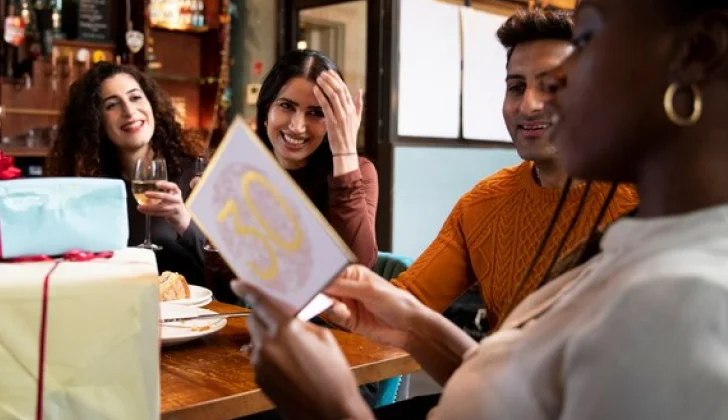
Here’s a breakdown of what to include in your invitation:
Greeting
First, use the proper and polite tone to say hello. Your greeting sets the entire tone for the event and signals your relationship with the guest.
Depending on how serious your event is that you want to hold, greetings can be formal or informal. For example:
- Formal Greeting: “Dear [Name],”
- Informal Greeting: “Hey [Name]! It’s party time!”
Imagine that you want to send an invitation to attend an official conference. Do you think that if the invitation starts with the word “Hey You!”, will the invitee read the rest of the invitation?! And conversely, if an invitation to a backyard birthday party begins with the words “Dear Friend,” does it convey a sense of intimacy and excitement to the invitee?
Timing Your Invitations
When to send an invitation letter for a birthday party? Invitations should be sent 2–4 weeks before the event for informal parties and 4–6 weeks ahead for formal gatherings. This gives guests enough time to plan and leads to better attendance.
State the Occasion
Clearly stating the reason for the event helps guests understand its importance and gets them motivated to attend. The purpose should be described unambiguously. State the birthday and, if applicable, any other special reason for the celebration.

- Example (Formal): “We are delighted to invite you to celebrate [Name]’s [Age] birthday.”
- Example (Informal): “Guess what? I’m turning [Age], and you’re invited to the party!”
Keep the tone for this section consistent with your invitation’s overall style. Use formal wording for formal events and a sincere, cheerful tone for friendly gatherings.
Event Details
Clarity is non-negotiable. Providing complete and precise details eliminates guesswork for your guests and ensures they can plan accordingly. Essential information includes:
- Date
- Time
- Venue (with address)
- RSVP Information (contact details and deadline)
For example:
- Formal Style: “The celebration will take place on [Date] at [Time], at [Venue Address]. Kindly RSVP by [Date] to [Contact Information].”
- Informal Style: “Join us on [Date] at [Time] at [Venue]. Don’t forget to RSVP by [Date]!”
Highlight Unique Features

This is your chance to sell the fun! Highlighting unique features builds anticipation and gives guests a reason to be excited. Mention elements like:
- A theme (e.g., “Superhero Party,” “Masquerade Ball”)
- Planned activities (e.g., games, dancing, karaoke)
- Special instructions (e.g., “Dress in your favorite 80s outfit!”)
Closing Note
Writing a closing note in the invitation letter for a birthday party is very important because this part acts as the last part of the invitation and conveys a sense of respect and friendship. A good closing note has a great impact on the invitee. To write it, use a warm and friendly tone and emphasize to the invitees that their visit is valuable to you.
End your invite pleasantly, letting the guest know how much you look forward to the occasion with them.
- Formal:
“We look forward to celebrating this joyous occasion with you.” - Informal:
“Can’t wait to see you there—it’s going to be epic!”
Also, you can include additional information such as contact methods for any questions. This will make the invitees feel that in addition to their invitation, you care about connecting with them even after the event and they can easily relate.
Examples of Invitation Letters

The following are some examples of invitation letters for a birthday party to help you create the perfect message for your event.
Formal Invitation Template
Subject: Invitation to [Name]’s Birthday Celebration
Dear [Recipient’s Name],
You are cordially invited to join us in celebrating [Name]’s [Age] birthday. This special occasion will be marked with joy, laughter, and cherished memories.
Event Details:
- Date: [Insert Date]
- Time: [Insert Time]
- Venue: [Insert Venue Address]
Kindly RSVP by [Insert RSVP Date] to [Your Contact Information].
We would be honored by your presence and look forward to celebrating this milestone with you.
Warm regards,
[Your Name]
Informal Invitation Template
Hey [Name]!
It’s that time of year again—I’m throwing a birthday party, and I’d love for you to come! We’re celebrating on [Date] at [Time] at [Venue].
This year, we’re doing something fun: it’s a [Theme] party! Come dressed as [Specific Dress Code or Costume]. There’ll be music, games, and of course, cake.
Don’t forget to RSVP by [RSVP Date] so I can save you a spot!
Can’t wait to party with you! [Your Name]
Tips for Writing an Effective Invitation

Writing an effective invitation requires following certain points that can increase its effect. Here are some additional tips to ensure your invitation hits the mark:
Write a catchy title
Your invitation’s title is the first thing guests see. Make it brief, exciting, and reflective of the party’s spirit. Using descriptive and emphatic words, such as “special occasion” or “because of you”, can increase the attractiveness of the title. Also, try to make the title reflect the spirit and purpose of the event.
Match the Tone to the Event
Matching the written tone of the invitation to the characteristics of the main event is very important, as it can have a profound effect on how the invitees accept the invitation. For formal events, the tone should be formal and respectful, while for parties or friendly events, a friendly and informal tone is more appropriate.
Finally, paying attention to the spirit and purpose of the event can create more attraction for the invitees and encourage them to participate in the event. Briefly:
- For formal events, use polite and professional language.
- For casual gatherings, keep it light and fun.
Personalize the Invitation
Personalizing the invitation for each invitee can have a huge impact on making them feel important and valued. By adding the person’s name and mentioning shared characteristics or experiences, the invitation creates a sense of intimacy and connection. Also, stating the specific reason for inviting that person can increase the attractiveness of the invitation.
This approach not only shows attention to the person, but also increases the probability of accepting the invitation. By using the tone and language appropriate to the personality of the invited person, you can create a positive and pleasant experience for him and help increase participation in the event.

A personal touch should be considered right from the use of the greeting, which is in the form of their name as well as adding little detail to the invitation. However, for informal event invitations, you can make the invitation even more personal.
Be Clear and Concise
Clarity is your greatest asset. A creative design or clever wording means nothing if your guests are confused about when or where to show up. Your invitation’s primary job is to communicate the essentials instantly.
Ensure the date, time, venue, and RSVP instructions are the most prominent pieces of information. Avoid long paragraphs; use clear headings, bullet points, or bold text to make these critical details stand out.
A concise, well-organized invitation builds trust, prevents last-minute questions, and guarantees everyone arrives ready to celebrate.
Use Visual Appeal
Using visual elements in invitations helps to make them more attractive and convey the desired message. Color design, images such as logos or related photos, and special symbols can reinforce the sense of occasion and importance of the event.
In informal invitations, the use of bright colors and informal images can create a friendly and intimate atmosphere. If you like, you can even use personal or memorable photos in invitations for personal events such as birthdays or wedding anniversaries. On the contrary, in formal invitations, it is better to use a simple and balanced design with soft colors and smooth lines. This design model can convey a sense of respect and professionalism.
Also, the right combination of text and visual elements can attract the reader’s attention and convey key information well. As a result, choosing the right visual elements according to the type of event is very important.
If you are to use digital invitations, then it should include colors, or even images and other font styles that can be associated with the party.
Send Invitations Early
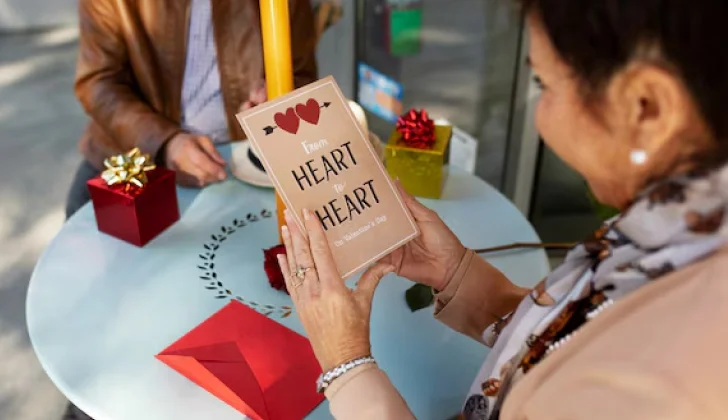
Sending invitations early gives the invitees enough time to plan and decide whether to attend the event. By sending invitations at least two weeks before the event date, attendees can make their own plans and ensure their attendance.
This also shows respect for the guests’ time and conveys a sense of importance to them. Additionally, sending early can help improve event attendance and prevent last-minute cancellations or no-shows.
Finally, sending out invitations early allows enough time to receive responses and manage any necessary changes, reducing the likelihood of last-minute problems.
Final Thoughts
Ultimately, your invitation is the preview of a great celebration. By blending clear details with a glimpse of your best party ideas, you don’t just invite guests; you excite them.
Remember the golden rule: let the tone match the occasion, and the details guide the experience. Every detail, including how you send the invite or the words you choose, shapes what your guests think of your party before they even arrive.
Now that you have the blueprint, both formal templates and casual creativity, it’s time to build your own. We can’t wait to hear about the amazing celebration you’re planning!
Frequently Asked Questions
How do I invite someone for a birthday party?
Start with a warm greeting, clearly state the occasion (e.g., “[Name]’s [Age] Birthday”), and include all key details: date, time, venue, and RSVP instructions. Match your tone (formal or casual) to the event style.
What is a good birthday invitation message?
A good message is clear, enthusiastic, and personal. Example: “You’re invited to celebrate my birthday! Join us on [Date] at [Time] at [Venue]. Please RSVP by [Date]!” Add a theme or dress code to make it fun.
What is the best way to start an invitation letter?
Begin with a direct and appropriate salutation. Use “Dear [Name],” for formal events or “Hi [Name]!” for casual parties. The opening line should immediately state the purpose, like “We’re thrilled to invite you to…”
How to write a birthday invitation on WhatsApp?
Keep it concise and lively. Lead with a fun emoji (🎉), state the occasion, and list the date, time, and venue. Include an image or digital invite for visual appeal. End with a clear RSVP call-to-action.
What are common mistakes to avoid in invitation letters?
Avoid missing key details (time, date, address), unclear RSVP instructions, a mismatched tone (too formal/casual), and sending the invitation too late. Always proofread for errors before sending.
Hire the best candidates
with Wetest.
Create pre-employment assessments in minutes to screen candidates, save time, and hire the best talent.
Try for free