What is Facilitation? Definition and Overview
Business strategy
Bonica
July 12, 2024
Have you ever been in a group project where ideas are flying in a million directions?
A family gathering where everyone talks over each other is another example. You end up with a collection of good intentions but no clear direction!
That’s where facilitation is needed the most!
Facilitation isn’t just for stuffy corporate meetings. It’s a skill that can benefit anyone who navigates group situations.
You even need it when planning a weekend getaway with friends.
Facilitation keeps meetings on track. It also helps teams work towards common goals.
Facilitation is more like being the team cheerleader who guides everybody. Imagine yourself as the DJ at a party who makes sure everyone gets a chance to move.
A good facilitator is like the ultimate party host who makes sure everyone feels comfortable chiming in.
Anyone can learn to facilitate.
Facilitation techniques can help you create a more positive experience for everyone.
Table of Contents
The Role of a Facilitator
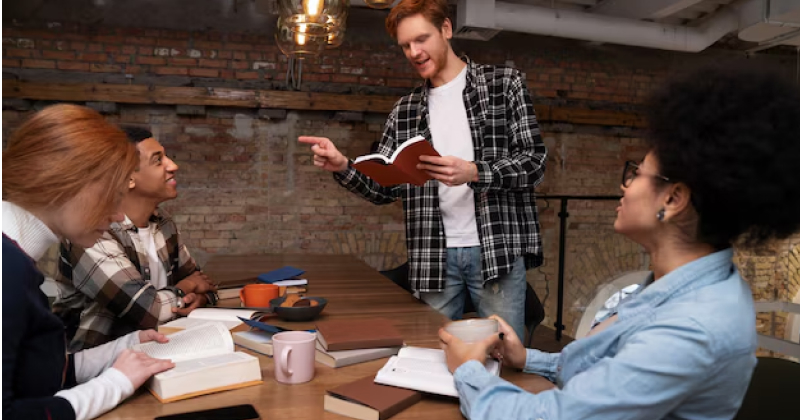
We talked about how facilitation can turn group chaos into collaborative magic. Now, let’s meet the mastermind behind it!
Unlike a DJ we talked about earlier, a facilitator’s tools are a bit more subtle.
Core Responsibilities of a Facilitator
A facilitator wears many hats! But don’t worry, it’s not like a clown car situation. They juggle a few key responsibilities to keep the group moving forward.
Imagine you’re planning a road trip with friends. A facilitator is like your GPS on steroids.
The facilitator asks questions that get everyone thinking.
A facilitator acts like the ultimate social butterfly! They’re the party host everyone wishes they had!
They use techniques like asking open-ended questions to ensure everyone gets a turn to speak and actively listening to what everyone has to say.
Basically, they create a safe space where everyone feels comfortable throwing out their ideas.
A skilled facilitator is like a family therapist who keeps things from getting too heated.
They identify potential conflicts before they erupt and manage people who might be dominating the conversation without shutting them down.
The facilitator ensures everyone feels respected throughout the whole process.
Skills and Qualities of a Facilitator

So, what makes a fantastic facilitator? They possess unique skills that turn them into superheroes.
Active listening is the superpower of any facilitator. They have the ability to pay close attention to what’s being said.
Neutrality is another quality. They avoid taking sides or letting their personal opinions color the discussion. Their focus is on guiding the group towards a collective decision.
Sometimes, groups can be like siblings fighting over the TV remote. A facilitator is like a wise older sibling who steps in to mediate.
They have the ability to calm things down and find common ground between opposing viewpoints.
A facilitator needs to be adaptable, too!
They can adjust their approach based on the specific group dynamic and any unexpected situations.
A facilitator needs to be a master communicator. They need to be able to explain things in an easy way.
Types of Facilitation

We’ve met the awesome facilitator and their skills. Now, let’s break down the different types of group situations they might tackle.
Workshop Facilitation
Imagine a room buzzing with ideas. That’s the magic of a well-run workshop! Here, the facilitator guides a group toward a goal.
Workshop facilitation involves tools to keep the energy high. It can seriously level up any situation.
A well-facilitated workshop can easily help brainstorm slogans and plan social media improvement.
Meeting Facilitation

While some tools overlap with workshops, meeting facilitation requires a different approach.
Meetings have a reputation for dragging on forever. A good facilitator keeps the discussion focused and ensures everything gets covered.
Meetings often involve making choices, and a facilitator is there to facilitate it.
Just like in a workshop, the facilitator makes sure everyone gets a chance to contribute.
This might involve going around the room for input and giving quiet voices a chance. They also redirect those who might be dominating the conversation.
Virtual Facilitation
We’ve covered workshops and meetings, but facilitation skills affect the digital world, too!
Virtual facilitation is like throwing a party on video chat.
It requires a bit of different tools, but the goal remains the same. They keep everyone engaged!
So, how does a facilitator wrangle a group from different locations?
Virtual facilitators use online tools like polls and breakout rooms to keep everyone on the same page.
Online games and virtual icebreakers are used to break the ice and keep everyone connected.
In a virtual setting, managing who speaks and avoiding technical glitches is crucial. Virtual facilitation allows for smooth client meetings.
Facilitation Techniques and Methods
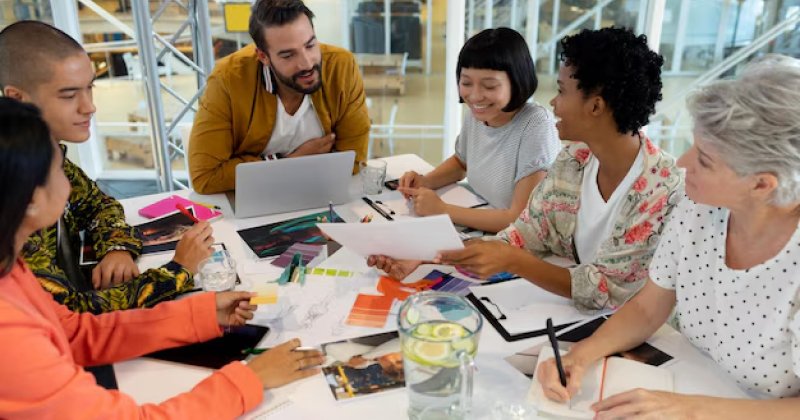
Here, we’ll dive into three facilitation techniques that can seriously level up the group game.
Brainstorming
Have you ever felt like your brain’s on vacation when you need a new idea? Brainstorming is a group effort to erupt a volcano of creativity!
The facilitator acts as the fearless leader.
A good facilitator starts by clearly defining the problem.
They create a chill vibe where everyone feels comfortable sharing. The facilitator knows there are no bad ideas in brainstorming land!
Just because it’s brainstorming doesn’t mean there are no rules!
The facilitator gently steers the conversation and creates a chain reaction of brain ideas.
Consensus Building

Everyone has an opinion, and sometimes those opinions collide! That’s where consensus building comes in.
The facilitator acts like a peacekeeper! They guide the group towards a solution.
The facilitator starts by encouraging everyone to share their concerns. This helps everyone see where each other’s coming from.
Facilitators use their active listening skills to find common ground between opposing views.
They help the group find a solution that addresses everyone’s main concerns.
It’s about finding a sweet spot in the middle, where everyone feels heard and can support the final decision.
Group Decision-Making
Decisions, decisions! Groups can sometimes get stuck in an endless loop of back-and-forth. A skilled facilitator acts like the group’s decision architect.
The facilitator starts by clearly explaining all the choices. This ensures everyone understands what they’re voting on.
Facilitators use techniques like ranking to help the group see the pros and cons.
Depending on the situation, the facilitator might guide the group towards a consensus decision where everyone agrees.
They might bring up a voting process to reach a final choice.
Challenges in Facilitation

Facilitation might seem like all sunshine and brainstorming rainbows, but even the most awesome facilitator faces some roadblocks.
Have you ever been in a group where everyone seems bored? The facilitator’s job is to use fun activities to get everyone pumped.
Another challenge? We all know those who love their own sound and turn every discussion into their monologue!
Sometimes, groups lose the main point fast! The facilitator needs to be the lighthouse in the fog, and this is really challenging.
Disagreements happen, but they don’t have to turn your meeting into a battle. A good facilitator can spot potential conflicts before they erupt.
The facilitator needs to manage expectations and set realistic goals for the sessions.
Dominant participants can derail a facilitation session if left unchecked.
Sometimes, people dominate conversations because they genuinely have valuable insights.
The facilitator should acknowledge their expertise. They phrase things like, “That’s a great point.” or “Let’s hear what others think based on your experience.”
Facilitation Tools and Resources

Remember that superhero analogy for facilitators? Yeah, well, forget the cape and tights! We’re talking about a facilitation pack full of awesome tools!
Physical Tools and Resources
Physical tools and resources can be surprisingly powerful for keeping everyone hyped. Think of them as the classic video game controllers you know and love!
Physical tools let everyone get their hands dirty with the ideas!
People can move sticky notes around or write on whiteboards. It’s like building a LEGO castle with ideas!
There is no need to be a tech whiz! These tools are user-friendly for everyone in the group, and no complicated logins are required!!
The physical act of writing and moving things around can keep people focused.
Digital Tools and Resources
The digital world offers a whole new set of facilitation tools that are perfect for remote sessions.
Tools like Miro or Mural allow for real-time collaboration with an endless canvas for brainstorming.
Platforms like Mentimeter or Poll Everywhere let you take the pulse of the group with quick and easy voting during your session.
This is a great way to gauge everyone’s opinion and make decisions together.
Tools like Google Docs or Dropbox allow for real-time document editing.
This is perfect for capturing notes and working on documents together.
Don’t bother your group with a million different apps. Choose tools that fit the goals of your session.
Take some time to get familiar with the chosen tools before your session to avoid any technical problems during the facilitation.
By mastering both physical and digital tools, you can effectively facilitate groups in any setting.
Developing Facilitation Skills

Maybe you’re a facilitation newbie or looking to add some fancy badges to your skills belt.
Training and certification programs can be awesome for learning the ropes. You can gain experience in this way.
There are tons of facilitation training options, from online courses to intensive workshops.
Some programs focus on general skills, while others target specific areas.
Platforms like Udemy and Coursera offer a wide range of facilitation courses at various difficulty levels. They are flexible and affordable.
In-person workshops also offer practice and feedback. Look for workshops offered by facilitation institutes.
Earning a facilitation certification shows your commitment and validates your skills to employers.
These programs are typically more intensive and require passing an exam.
Many programs let you practice your facilitation skills in safe zones, like role-playing scenarios.
Training programs connect you with other aspiring facilitators and seasoned pros.
Even the facilitation masters can always learn new tricks.
After you rock a facilitation session, ask the participants to share their thoughts. This can be through surveys and quick chats.
Feedback helps you improve and tailor your approach to different groups.
Take some time after each session to think about what worked and what could be better.
Ask yourself if you stayed on track. Did everyone get a chance to chime in? Use these reflections.
The internet is bursting with facilitation resources.
There are tons of awesome books with cool insights and practical strategies. Consider them your bedtime stories.
Conclusion
Facilitation isn’t just a fancy term for leading meetings.
Facilitation is a skill that can change any group situation. It helps groups achieve common goals and make effective decisions.
Skilled facilitators create a safe space for everyone with a more positive experience.
Facilitation techniques can be applied to different settings. We talked about workshops and meetings and even virtual collaborations.
Anyone can learn facilitation skills!
Whether you’re a veteran professional or just a newbie, there are many resources out there to help you.
Hire the best candidates
with Wetest.
Create pre-employment assessments in minutes to screen candidates, save time, and hire the best talent.
Try for free