
What is Competitor Pricing Intelligence?
Hiring & recruiting
Bonica
August 30, 2023
Your competitors are changing, planning, and tweaking their prices and increasing their profits, and you want to stay ahead of the game!
Before we even start, we should tell you that you can’t stay competitive if you don’t know about competitor pricing intelligence and how to use it!
Let’s simplify this: It is the art of collecting, analyzing, and leveraging your competitors’ pricing strategies. By being in the know, businesses can price their products or services competitively, increase their market share, and boost their profitability.
So, let’s take a closer look at competitor pricing intelligence and learn all about it!
The Definition of Competitor Pricing Intelligence
Competitor pricing intelligence is the new business strategist! You don’t need to hire someone who monitors, analyzes, and compares your competitors’ prices anymore. You don’t even have to decide on your pricing.
This tool does it all for you!
It works by collecting pricing data from competitors and telling you about these prices and how they can affect your business case.
This intelligence doesn’t mean you should offer the lowest price! It means that you’ll have the right price based on the market, how your competitors act, and customer behavior.
This data can help you attract customers as well.
How Competitor Pricing Intelligence Software Works
There are software tools designed for this task. You can use them for best results. Before we introduce the best software, we should know how it works.
Data Collection
The software collects data from your competitors. It looks up their prices, offers, and promotions using various sources like their websites, marketplaces, or even customer reviews.
Data Analysis
Then, the data gathered from those sources are analyzed. It tells you why they promote a specific product, and why they changed their prices.
Reporting
The software gives you reports. Here’s how you get insight into the world of your competitors!
These reports help you set the correct prices.
Table of Contents
Applications of Price Intelligence

Using Price Intelligence in Retail
If you’re a retailer, you can increase profits and stay ahead of the competitive market using price intelligence.
Its tools can tell you what is the most effective promotional pricing strategies, using the data from customer reviews and competitors’ promotions.
Identifying seasonal pricing trends is also another feature they offer. So, for this Christmas, you don’t need to spend much time deciding on your prices!
Need plans for Black Friday, Valentine’s Day, and Christmas? Use competitive pricing intelligence!
How to use Price Intelligence in eCommerce
If you own an online business, you can use this intelligence as one of your strategists!
Using the data these tools give you, you can plan a long-term pricing and promotional strategy. They’re also there for you if you need to understand price trends ASAP!
How to use Price Intelligence for Brands and Manufacturers
Brands need to keep themselves updated with the world of pricing, since they may lose market to another brand if they miss the trends even for one day!
Are you a new brand that needs to know the pricing patterns and strategies of other powerful competitors? Let these tools check it out for you!
Role of Price Intelligence in Inventory Management
Every successful inventory management is using technology, especially price intelligence, these days!
Using this intelligence helps you manage your inventory better, and even know all about the future demand of the market by letting it analyze trends for you!
Types of Pricing Strategies

Cost-plus Pricing Strategy
If you add a still percentage to the cost of production for each product, you’re using this method!
For example, if producing a pen costs you $2 and you decide to sell it with 50% profit for $3, then you have used a cost-plus pricing strategy.
This strategy is very simple and it makes sure that by every sale, you’ll gain a profit! This the most classic strategy for pricing your goods and services.
Market-driven Pricing Strategy
This strategy works based on market conditions. It means you should set your prices according to what the market is willing to pay
This way, you should analyze the prices of competitors and adjust prices according to that.
This works best in crowded markets where products are similar. So, you won’t risk anything.
In B2B ecommerce pricing, this strategy becomes particularly useful when products are commodities, and businesses need to match competitor prices to maintain market share.
Rule-based Pricing Strategy
Using a rule-based strategy, you should set prices the way they follow the existing rules.
These rules are set about competitor pricing, demand, or time of year. This strategy is commonly used in online retail and eCommerce.
Personalized Pricing Strategy
Customizing the prices based on customer’s behavior and preferences is called a personalized pricing strategy. It tells you what are individuals or groups willing to pay, and that’s your price!
This approach needs data analytics and is more common in e-commerce businesses.
The Connection Between Price Intelligence and Customer Satisfaction
Want to keep customers satisfied? Price intelligence is helpful even here!
If you deliver value to your customers, they’ll be more willing to pay the price you ask. They usually like the price to be fair and competitive.
If you offer such prices, you’ll have satisfied and loyal customers for a long time!
This is why some businesses use strategies like bundling products, offering discounts, or running loyalty programs; to bring that value!
The Best Competitive Pricing Intelligence Tools
Choosing the right competitive pricing intelligence tool can be a game-changer for your business. Each tool has its unique features, strengths, and pricing structure. Here are some of the best tools available in the market:
Omnia Dynamic Pricing
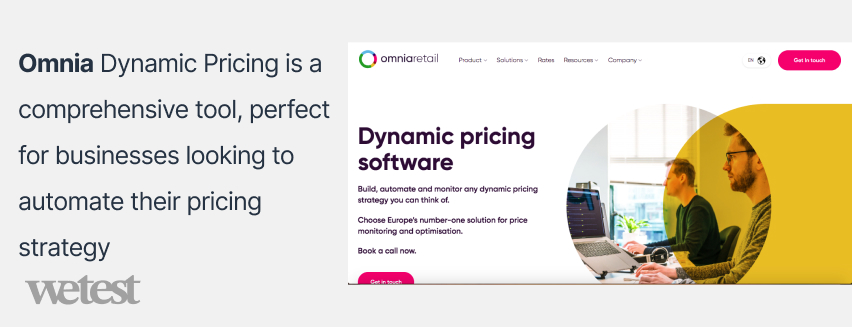
Omnia Dynamic Pricing is a comprehensive tool, perfect for businesses looking to automate their pricing strategy.
Pros
· Allows dynamic pricing based on real-time market data.
· Can be integrated with your existing systems.
· Offers excellent customer support.
Cons
· The platform may be too complex for small businesses.
· The advanced features come at a higher cost.
Pricing
Omnia provides custom pricing based on your requirements and the scale of your business, starting from $200 and higher based on your needs.
Versionista
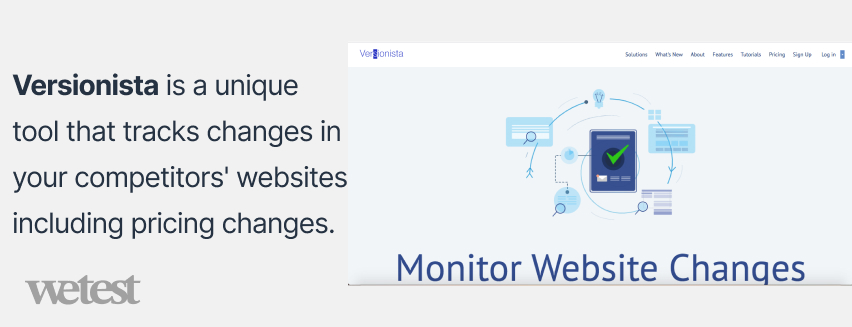
Versionista is a unique tool that tracks changes in your competitors’ websites, including pricing changes.
Pros
· Tracks changes beyond pricing, such as product features or services.
· Offers notifications of changes.
Cons
· Not exclusively focused on pricing.
· The user interface can seem dated.
Pricing
Versionista offers various plans starting from $99 per month.
Repricer
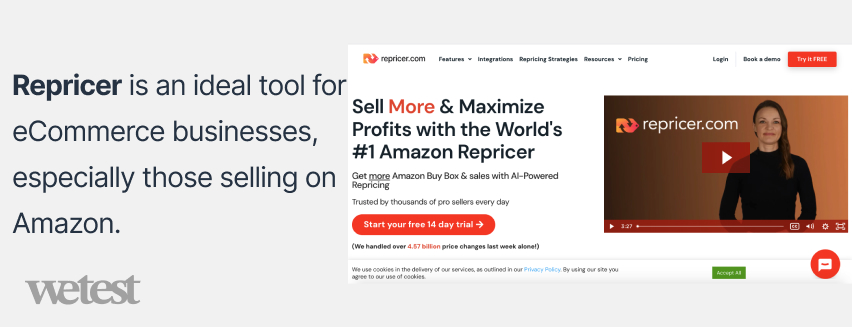
Repricer is an ideal tool for eCommerce businesses, especially those selling on Amazon.
Pros
· Automatic repricing based on predefined rules.
· User-friendly interface.
Cons
· Mostly focused on Amazon, making it less suitable for other types of businesses.
· Limited customization options.
Pricing
Repricer offers several plans starting from $55 per month.
PriceLabs
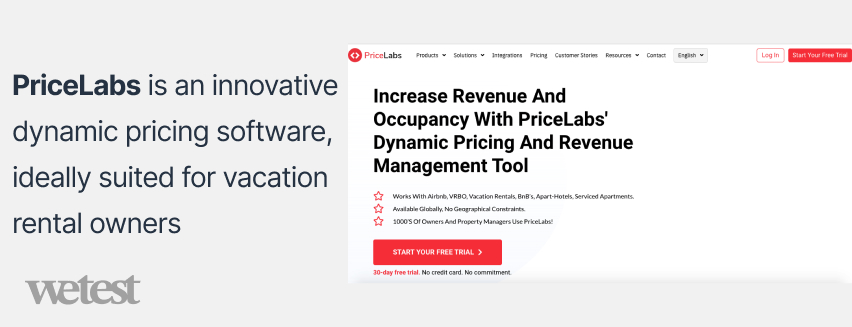
PriceLabs is an innovative dynamic pricing software, ideally suited for vacation rental owners and property management companies.
Pros
· Customizable pricing rules.
· Dynamic pricing based on market demand.
Cons
· Specific to the hospitality and travel industry.
· May require time to understand and utilize its features fully.
Pricing
PriceLabs offers plans starting from $19.99 per month per listing.
Import.io
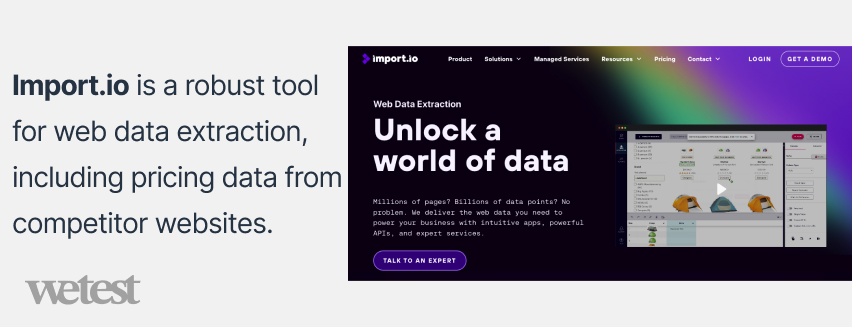
Import.io is a robust tool for web data extraction, including pricing data from competitor websites.
Pros
· Powerful data extraction capabilities.
· Can handle large-scale data extraction tasks.
· User-friendly interface.
Cons
· Might be overkill for small-scale operations.
· More focused on data extraction rather than pricing intelligence.
Pricing
Import.io offers custom pricing based on your requirements.
Mozenda
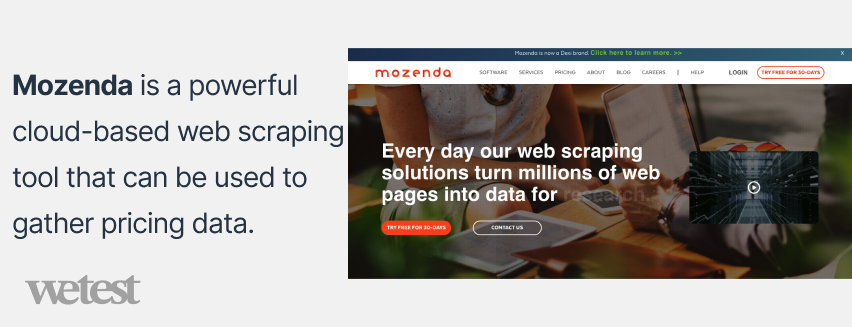
Mozenda is a powerful cloud-based web scraping tool that can be used to gather pricing data.
Pros
· High-level extraction capabilities with support for complex websites.
· Can handle large volumes of data.
· Excellent customer support.
Cons
· Steeper learning curve for non-technical users.
· Not exclusively focused on pricing intelligence.
Pricing
Mozenda offers custom pricing based on your data extraction needs.
Model N

Model N is an integrated, cloud-based solution that provides valuable pricing and revenue management solutions.
Pros
· Comprehensive platform covering various aspects of revenue management.
· Advanced analytics capabilities.
· Suitable for large businesses and enterprises.
Cons
· Can be too complex for small businesses.
· The platform might require a learning curve for new users.
Pricing
Model N offers custom pricing depending on the needs and scale of your business.
Evaluating the Effectiveness of Your Competitive Pricing Intelligence Strategy
Finally, it’s crucial to continuously evaluate your competitive pricing intelligence strategy’s effectiveness. Are you meeting your goals? Is the intelligence leading to better pricing decisions? Are those decisions translating into improved sales and profitability?
Frequently Asked Questions

What is the difference between competitor intelligence and competitive pricing intelligence?
Competitor intelligence works by gathering and analyzing information about various competitor activities (like their products, marketing strategies, financial performance, and more). But competitive pricing intelligence focuses on competitors’ pricing strategies.
Are there ethical considerations for using competitive pricing intelligence?
Yes, you should be aware of some ethical boundaries when using this intelligence. Businesses must make sure that they collect their data in a way that respects the competitor’s privacy and rules.
How do companies that don’t use competitive pricing intelligence set their prices?
Companies that don’t use competitive pricing intelligence mostly use traditional methods to set their prices. They follow the existing industry standards and they hire market analysis and pricing management specialists. This method can be effective but it’s not as accurate and fast as AI tools.
How does price intelligence contribute to customer satisfaction?
By understanding market and competitor pricing, businesses can offer their products at a price that customers find fair and competitive. This can boost customer satisfaction and that way, you’ll have loyal customers.
Conclusion
So, now we know that technology has made life much easier for us! If you had to hire people to understand your competitors and market and it took them ages to analyze the data, it’s now possible through a few clicks!
Competitive pricing intelligence is the secret weapon of being successful in the market today. Be sure that the thriving brands and businesses are all using this method for deciding on their prices.
After reading this blog, we know that competitive pricing intelligence tools don’t just tell us about our competitors’ prices. They can even help us study the market and understand customer behavior.
They also help boost customer satisfaction. Most customers aren’t looking for cheap products and services, but they want to pay something fair.
So, if you want to sell your goods with a luxurious price, make sure to provide the luxurious quality! Competitive intelligence tools can even do this for you and tell you what price for your quality makes customers happy.
Whether you’re a retailer, an online business owner, or the CEO of a well-known brand, many software tools can work for you. You should only choose the right platform.
So, when choosing a tool, pay attention to the type and size of business it’s suitable for. Also, take a look at its different features to make sure they work for what you need.
Don’t forget about ethical and legal matters. Collecting and using competitor data could be illegal in some situations. Make sure your tools operate based on legal rules.
The world of business is being changed by technology and this change never stops. So, be sure to move at the same pace, and everyone will hear your name in the market in no time.
Hire the best candidates
with Wetest.
Create pre-employment assessments in minutes to screen candidates, save time, and hire the best talent.
Try for free