
What Is an Internship? Complete Guide to Types, Benefits, and Success Strategies
HiringHiring & recruiting
Bonica
September 16, 2025
Sarah was a college junior with good grades but no real work experience. She was freaking out about finding a job after she graduated. Then, boom! She snagged a summer internship at a marketing agency. Three months later? She’d learned social media strategy, built up some serious professional connections, and even got a full-time job offer.
Sarah’s story just shows how awesome internships can be. An internship is a temporary work program. It hooks up students and recent grads with actual learning. Internships bridge that gap between what you learn in the classroom and what you do in a professional job.
The numbers don’t lie. According to NACE, 91% of employers would rather hire someone with work experience. Even better, 60% of internships lead to full-time job offers.
Today’s internship world has tons of options. You can find paid ones, unpaid ones. Some are in person, others are remote. There are programs in pretty much every industry, from tech to healthcare.
This guide is going to tell you everything you need to know about internships. You’ll learn what they are, how to find them, and how to crush them.
We’ll look at different types, your legal rights, and what’s going on in different industries. By the end, you’ll have a clear plan for your whole internship journey.
Table of Contents
What Is an Internship? Complete Definition and Framework
This section defines internships and outlines their core purpose as structured learning experiences.
A. Core Definition and Purpose
An internship is like a planned work program, right? It’s built for students and recent grads who just want to figure out a career field. Unlike a regular job, internships are all about learning and building up your skills.
Most internships usually run for about 8 to 16 weeks. They’ll have a mentor for you and specific things you’re supposed to learn. The whole point is to give you hands-on experience while helping you check out different career paths. Internships are different from a normal job.
They focus more on your learning than just getting stuff done. You’ll work on real projects, but you also get guidance and feedback. That balance is what helps you grow professionally.
B. Types of Internships by Structure
Paid internships give you wages for your work. Like, the average pay is $18.06 an hour, that’s according to NACE data from 2023.
You’ll see these a lot at companies that are trying to make a profit. Unpaid internships, though, don’t pay you anything. But they have to follow these rules from the Department of Labor.
The work you do has to mainly benefit your education, not just help the company’s bottom line. Non-profit groups often have these unpaid spots.
Academic Credit vs. Non-Credit Programs
Some internships give you college credit. But for those, your university has to partner up, and there are specific things you should do.
You might have to write reports or finish assignments. And your school will grade how you do. Non-credit internships? They don’t involve your university at all. You just work directly with the company. These offer a lot more flexibility in how they’re set up and what they require.
Summer, Part-time, and Full-time Internships
Summer internships are usually full-time gigs you do during school breaks. Part-time internships, though, are designed to fit around your classes. If it’s a full-time internship, that means you’re committing 40 hours a week.
Virtual, Hybrid, and In-person Formats
Technology has changed how internships work now. Virtual internships mean you can do your work from anywhere.
Hybrid programs are a mix of working from home and going into the office. And then there are traditional in-person internships, which are just at the company’s actual location.
C. Types of Internships by Industry and Function
Corporate internships at those big Fortune 500 companies? They’ve got structured programs. These include training, networking events, and even chances to give presentations. Then there are government and public service internships, which give you a peek into policy work.
Federal agencies, state offices, and even local governments all have programs. Non-profit organizations are all about social impact work. These internships often involve reaching out to the community, fundraising, or helping with programs.
Startup internships give you entrepreneurial experience. You might end up doing a lot of different things and see how new businesses run. Research internships at universities or institutes focus on academic subjects.
You’ll help with studies, data analysis, or lab work. And finally, international internships mix work experience with cultural learning. These programs are all over the world and often tie into studying abroad.
D. Internship vs. Other Work Experiences
Co-op programs are where you go to school for a bit, then work for a bit, and they alternate. They’re usually way longer than internships, often like six months or more. Apprenticeships are all about skilled trades.
They mix actual work with formal training, and you usually end up with specific certifications. Externships are shorter, like job shadowing experiences. They typically just last a few days to a week.
Volunteer work is when you help communities without getting paid. It’s super valuable, but it doesn’t have that structured learning thing that internships do.
And entry-level jobs? They’re more about getting stuff done than about you learning. Internships, though, focus on learning and building skills.
Comprehensive Benefits of Internships
Here we explore the many professional, academic, and financial advantages internships can offer.

A. Professional Development and Skill Building
Internships teach you the actual tools pros use. Like, in marketing, you might pick up Google Analytics or how to use those social media platforms.
Finance interns? They’re messing with Excel modeling and financial software.
And tech interns? They’re coding in real programming languages. These technical skills make you job-ready.
Employers want people who can jump in and contribute right away. Your internship experience just proves you can use those standard tools.
Hands-on Work Experience
Classroom learning is all theory. But internships show you how work goes down. You’ll get to manage deadlines, deal with stuff you didn’t expect, and see projects from the beginning to the end.
That hands-on experience builds your confidence. You learn that you can handle professional challenges. And future interviews? They’ll be way easier because you’ve got real examples to talk about.
Professional Network Building
Your internship supervisor becomes a career mentor. And colleagues? They can give you job references later on. You’ll meet people all over the place, across different departments, and learn about tons of different roles.
These connections stick around long after your internship is done. A lot of job opportunities pop up because of networking. The relationships you build now? They can help your entire career.
B. Career Exploration and Clarity
Internships let you try out different careers without, like, committing to anything huge. You might find out accounting isn’t as boring as you thought. Or maybe you’ll learn that sales means way more travel than you’re up for.
This exploration saves you time and money. It’s way better to switch gears while you’re still in college than after you graduate. Internships just help you make smart career decisions.
Company Culture and Industry Insight
Every workplace has its own vibe. Some are formal and have a strict hierarchy. Others are super casual and all about teamwork.
Internships just show you what kind of environments fit your personality. You’ll also pick up on industry trends and challenges. That knowledge? It’s super helpful in job interviews and when you’re trying to plan your career.
Geographic and Location Preferences
Internships in different cities help you explore where you want to live. You’ll experience commuting, cost of living, and local culture. This insight guides future job searches.
C. Academic and Personal Growth
Students who’ve done an internship? They’ve got a 56% higher chance of getting job offers. Your resume stands out compared to people who only have school experience. And internships give you actual, real examples for job interviews.
Instead of just hypothetical stuff, you can talk about real projects you did and things you achieved.
Soft Skills Development
Professional communication differs from casual conversation. You’ll learn email etiquette, meeting participation, and presentation skills.
Teamwork in the workplace involves deadlines and accountability. Time management becomes crucial when others depend on your work. Problem-solving requires creative thinking within business constraints.
These soft skills transfer to any career. They’re often more important than technical knowledge.
Confidence Building and Professional Maturity
Successfully completing an internship proves you can handle professional responsibilities. This confidence shows in future interviews and work situations.
You’ll develop professional judgment about appropriate behavior, communication, and decision-making.
D. Financial and Career Advancement Benefits
Research shows 70% of interns receive job offers from their host companies. Companies prefer hiring people they know and have trained.
Internal hiring gives you advantages over external candidates. You understand the company culture and have proven your abilities.
Higher Starting Salaries
Internship experience can increase starting salaries by an average of $7,000. You can negotiate from a position of proven value rather than potential.
Your internship supervisor can advocate for competitive compensation packages.
Professional References and Recommendations
LinkedIn recommendations from internship supervisors carry significant weight. They provide specific examples of your work quality and professional behavior.
These references help with job applications and graduate school admissions.
E. Long-term Career Impact and ROI
Studies show former interns advance faster in their careers. They receive promotions sooner and earn higher salaries over time.
In technology, former interns at major companies often become senior engineers or managers. Finance interns frequently return as full-time analysts with clear advancement paths.
The relationships and skills from internships compound over decades. The investment in unpaid or low-paid internship work pays dividends throughout your career.
A Quora Rundown

This section synthesizes real Quora users’ feedback about which internships truly benefit students.
Timing & Format
Chennu Ambica on semester vs. seasonal opportunities,
“Based on the time of year, the basic types of internships are semester internships, quarterly internships, summer internships, fall internships, spring internships, and holiday or winter internships.”
Chennu discusses that aligning an internship with your academic calendar is crucial. A summer internship remains the most popular. But fall or spring internships can offer ongoing exposure without interrupting studies. She also points out that externships can serve as quick career “test drives” before committing to a longer program.
Pragya Sharma notes,
“Virtual Internships are becoming a must‑have on your resume. Every year there are lacs of students stepping out of the college and most of them are not ‘job ready’.”
Industry and Function
Chennu Ambica on finding your niche:
“Internship programs are also classified by industry… some of the most common include marketing, advertising, finance, legal, technology, PR, and fine or performing arts.”
She reminds us that internships mirror academic majors. If you’re studying engineering, technology roles will reinforce your skillset.
Sasha Kochar notes: “If you are a BBA student… explore different fields such as Finance, Sales, Marketing, Content… During postgraduate, filter for reputed firms and stability in your chosen function.”
Sasha encourages undergraduates to sample diverse functions. But once you’re postgrad, she advises honing in on a single focus at reputable organizations.
Swapneel Mehta adds, “A stipend is a fairly proportional measure of how much the company values you… Every place that paid me attached value to my work and ensured they took the project(s) seriously.”
Experiential Growth
Rishabh Jain on skill development: “Summer internship… prepares you for the coming ordeal… It is like a net‑practice session for a budding engineer.”
Rishabh discusses internships as your “net” before the corporate “match.” They let you make mistakes, ask “I don’t know,” and still receive support.
Deryn David notes: “Real‑life practical knowledge… there is no theory but lots of hands‑on learning and room for making mistakes and correcting them.”
Deryn emphasizes that the workplace is where theory meets practice. Interns learn how teams communicate, how deadlines truly work, and which tools drive daily operations.
Networking and Professional Confidence
Rishabh Jain notes: “The networking opportunity… you get the time and free hand to interact with others… understand the importance of networking early in life.”
Cindy Corn adds, “We treated our interns as real hires… put them on a real project team… Some became permanent employees later.”
Both Rishabh and Cindy remind us that internships are about connecting. Early access to mentors, project stakeholders, and clients builds a foundation to use long after graduation.
Program Quality and Features
Chennu Ambica on supervision and feedback: “There should always be someone assigned to the intern… if at any point the intern has questions, they know there’s someone who can… assign an interim task or let them know when their supervisor will return.”
Chennu’s second tip: program structure matters. Accessible supervisors and clear backup contacts prevent downtime and confusion.
Ramamurthy Guruvayurappan notes: “Here in India, internship is considered more as training… most are not paid well… but that is a process—take it seriously.”
We learn that fair compensation signals respect, but even unpaid programs can be transformative.
Joystar Gitobu on specialized opportunities: “Arts internships… with museums, galleries, theaters… Research internships… assist with experiments… Entrepreneurship internships… in start‑ups or incubators…”
Joystar’s broad listing reminds us to think beyond traditional corporate roles.
Eligibility Requirements and Prerequisites

This part covers academic, legal, and skill-based qualifications you need before applying.
A. Academic Requirements
Most internships target juniors and seniors. These students have completed relevant coursework and can contribute meaningfully. However, some companies offer sophomore programs, especially in competitive fields like finance and technology.
Graduate student internships focus on specialized skills and research experience. MBA students often pursue summer internships between their first and second years.
GPA Requirements and Academic Performance
Minimum GPA requirements typically range from 2.5 to 3.5. Competitive programs at top companies may require 3.5 or higher. Some positions prioritize relevant coursework over overall GPA.
Coursework Prerequisites
Engineering internships require specific technical courses. Business internships might need accounting or statistics classes. Marketing positions could require communications or digital media coursework.
Research your target internships early. Plan your course schedule to meet prerequisites before application deadlines.
B. Legal and Administrative Requirements
International students need proper work authorization. F-1 students can use Curricular Practical Training (CPT) or Optional Practical Training (OPT). J-1 students may have program-specific requirements.
Start the authorization process early. Some paperwork takes weeks or months to complete.
Background Checks and Security Clearances
Government internships often require background checks. Financial services companies may check credit history. Some positions need drug testing or security clearances.
Age Requirements and Child Labor Laws
Most internships require participants to be at least 18 years old. Some positions with specific safety requirements may have higher age limits.
C. Skills and Experience Prerequisites
All modern internships require basic computer proficiency. You should be comfortable with email, word processing, and internet research. Industry-specific software knowledge is often preferred but not required.
Communication and Language Proficiency
Strong written and verbal communication skills are essential. Some positions require specific language abilities, especially for international companies or multicultural markets.
Previous Work or Volunteer Experience
While not always required, any work experience helps your application. Part-time jobs, volunteer work, or leadership roles demonstrate responsibility and time management skills.
Portfolio Requirements
Creative fields like graphic design, journalism, or marketing often require portfolios. Prepare examples of your best work, even if they’re school projects or personal creations.
How to Find and Secure Internship Opportunities
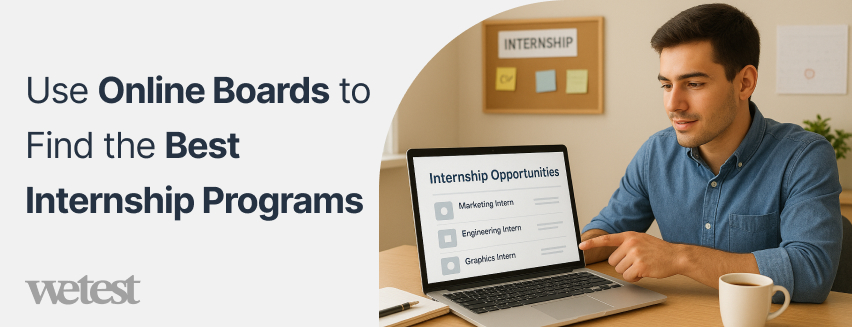
Discover practical strategies and resources for locating and landing the right internship.
A. Where to Search for Internships
Your school’s career center is your best starting point. They maintain relationships with employers who regularly hire students. Career counselors understand your program and can suggest relevant opportunities.
Campus job fairs bring dozens of employers to one location. Prepare your elevator pitch and bring multiple copies of your resume. Dress professionally and research participating companies beforehand.
Alumni networks provide insider connections. Reach out to graduates working in your target industry. Most alumni are happy to help current students.
Online Internship Platforms and Job Boards
Indeed, LinkedIn, and Glassdoor all have internship sections. Use filters to narrow results by location, industry, and compensation. Set up job alerts to receive notifications about new postings.
Specialized platforms like Internships.com, WayUp, and Handshake focus specifically on student opportunities. These sites often have partnerships with universities and understand student needs.
Company career pages list current openings and application requirements. Follow companies you’re interested in on social media for updates about new programs.
Professional Networking and Referrals
LinkedIn is essential for professional networking. Connect with industry professionals, join relevant groups, and share thoughtful content. Comment meaningfully on posts from your target companies.
Industry events and conferences offer networking opportunities. Many offer student discounts or volunteer opportunities that provide access.
Informational interviews help you learn about careers and companies. Request brief coffee meetings with professionals in your field. Ask about their career path and advice for students.
Government and Public Service Opportunities
USAJOBS.gov lists federal internship opportunities. Many agencies have structured summer programs with application deadlines in fall or winter.
State and local governments also offer internships. Check your city, county, and state websites for current openings.
Congressional internships provide insight into political processes. Contact your representatives’ offices directly about opportunities.
B. Application Materials and Requirements
Your resume should highlight relevant coursework, projects, and any work experience. Include your GPA if it’s 3.0 or higher. Use action verbs and quantify achievements when possible.
List relevant technical skills, software proficiency, and certifications. Include leadership roles, volunteer work, and academic honors.
Cover Letter Best Practices
Customize each cover letter for the specific position and company. Research the company’s values, recent news, and mission statement. Explain why you’re interested in that particular role and organization.
Show enthusiasm and genuine interest. Explain what you hope to learn and how you can contribute. Keep it concise and error-free.
Portfolio Development
Creative and technical fields often require portfolios. Create a professional website showcasing your best work. Include detailed descriptions of each project, your role, and the outcomes.
For technical roles, consider GitHub repositories or other platforms that demonstrate your coding or analytical skills.
Academic Transcripts and References
Some applications require official transcripts. Request these early as processing can take time.
Identify professors, employers, or other professional contacts who can provide strong references. Ask permission before listing someone as a reference.
C. Application Strategy and Timeline
Don’t apply randomly to hundreds of positions. Research companies thoroughly and target those that align with your interests and values. Quality applications are more effective than quantity.
Consider company size, culture, growth opportunities, and geographic location. Read employee reviews on sites like Glassdoor to understand workplace culture.
Application Timeline and Deadlines
Summer internships typically recruit during the academic year. Start applications in October through February for the following summer. Fall internships recruit in March through May. Spring positions recruit in August through October.
Mark deadlines on your calendar and start applications early. Popular programs fill quickly.
Following Up and Application Tracking
Create a spreadsheet to track your applications, deadlines, and follow-up dates. Send thank-you emails after interviews. Follow up professionally if you haven’t heard back within the stated timeframe.
D. Interview Preparation and Success Strategies

Prepare for questions about your interest in the company and role. Be ready to discuss your career goals and how the internship fits your plans. Have examples ready of challenges you’ve overcome or projects you’ve completed.
Behavioral Interview Techniques
Use the STAR method (Situation, Task, Action, Result) to structure your answers. Prepare specific examples from your academic, work, or volunteer experience that demonstrate relevant skills.
Technical Interview Preparation
Some fields require technical interviews. Practice coding problems for technology roles. Review financial concepts for finance positions. Prepare portfolio presentations for creative fields.
Virtual Interview Best Practices
Test your technology beforehand. Ensure good lighting and a professional background. Minimize distractions and have a backup internet connection plan.
Salary and Compensation Negotiation
Research typical internship compensation for your field and location. Be prepared to discuss salary expectations, but don’t make it the focus of your application.
Making the Most of Your Internship Experience
Learn how to prepare, engage, and excel during your internship to maximize growth.
A. Pre-Internship Preparation
Before starting, identify what you want to learn and achieve. Set specific, measurable goals for your internship period. Do you want to learn particular software? Understand a specific business process? Build relationships with five new professional contacts?
Write down your goals and share them with your supervisor during your first week.
Research and Company Knowledge
Study your company’s history, mission, and recent news. Understand the competitive landscape and industry trends. Know the names and roles of key executives.
This preparation shows professionalism and helps you contribute meaningfully to conversations.
B. First Week and Onboarding Success
Introduce yourself to team members and learn their roles. Ask about their career paths and advice for new professionals. Show genuine interest in their work.
Understand the reporting structure and key relationships within your department.
Workplace Culture Adaptation
Observe communication styles, dress codes, and social norms. Some workplaces are formal, others casual. Notice how people interact in meetings and adjust your behavior accordingly.
Systems and Process Learning
Learn the technology platforms, procedures, and protocols your team uses. Take notes and ask questions when confused. Most colleagues are happy to help new team members.
C. Daily Excellence and Professional Behavior
Proofread everything before submitting. Meet deadlines consistently. If you’re running behind, communicate early and suggest solutions.
Ask clarifying questions when assignments are unclear. It’s better to ask than to complete work incorrectly.
Professional Communication Standards
Use professional email etiquette. Respond promptly to messages. Participate actively but appropriately in meetings.
Initiative and Proactive Behavior
Volunteer for additional projects when you complete your assigned work. Suggest process improvements when you notice inefficiencies. Show enthusiasm for learning new skills.
D. Relationship Building and Networking
Schedule regular check-ins with your supervisor. Ask for feedback on your performance and guidance on career development. Show appreciation for their time and advice.
Peer and Colleague Connections
Build relationships with other interns and entry-level employees. These peers may become valuable professional contacts as your careers progress.
Cross-Department Networking
Request informational interviews with people in other departments. Learn how different functions contribute to company success.
E. Learning and Development Focus
Keep a record of new skills and competencies you develop. Document specific software you learn, processes you understand, and projects you complete.
Feedback Integration and Improvement
Act on constructive criticism. Show that you can learn and adapt based on feedback. Follow up to demonstrate improvement.
Company Event Participation
Attend training sessions, workshops, and social events when possible. These opportunities provide additional learning and networking.
Legal Rights and Workplace Protections
Understand the laws, regulations, and protections that safeguard intern rights.
A. Understanding Internship Laws and Regulations
Unpaid internships must meet specific criteria. The experience must primarily benefit you, not the employer. It should be similar to training in an educational environment. The employer shouldn’t gain immediate advantage from your work.
Fair Labor Standards Act (FLSA) Compliance
The FLSA governs wage and hour requirements. Paid interns are entitled to minimum wage and overtime pay in most cases.
State-Specific Internship Laws
Some states have additional protections for interns. Research the laws in your internship location.
B. Workplace Rights and Protections
You have the right to a workplace free from discrimination and harassment. Companies should have clear policies and reporting procedures.
Safe Working Conditions and OSHA Standards
Employers must provide safe working conditions. Report any safety concerns to your supervisor or HR department.
Confidentiality and Non-Disclosure Agreements
Many internships require confidentiality agreements. Understand what information you must protect and follow these requirements carefully.
C. When to Seek Help or Report Issues
Most companies have HR departments that can address workplace issues. Know how to contact them if problems arise.
University Career Center Support
Your school’s career center can provide guidance if you encounter problems during your internship.
Legal Resources for Serious Violations
For serious legal violations, consult with employment attorneys or relevant government agencies.
Industry-Specific Internship Insights
Gain targeted advice for internships across tech, finance, healthcare, marketing, and more.
A. Technology and Software Development
Technology internships often involve real product development. You might write code that goes into production or work on user interface design. Major companies like Google, Microsoft, and Apple offer structured programs with mentorship and networking.
Startup technology internships provide broader exposure but less structure. You might work on multiple projects or help with business development beyond technical work.
B. Finance and Banking
Investment banking internships are highly competitive and demanding. They often lead to full-time analyst positions with high starting salaries. Corporate finance internships focus on budgeting, analysis, and strategic planning.
Fintech companies offer modern alternatives to traditional banking internships. These combine finance knowledge with technology skills.
C. Healthcare and Life Sciences
Clinical internships provide patient care experience under supervision. Administrative internships focus on healthcare operations, policy, or management.
Research internships involve laboratory work, data analysis, or clinical trial support. These often lead to graduate school opportunities or research careers.
D. Marketing and Communications
Digital marketing internships focus on social media, content creation, and analytics. You’ll learn platforms like Google Analytics, Facebook Ads, or email marketing tools.
Agency internships expose you to multiple clients and campaigns. In-house marketing internships provide deep knowledge of one company’s strategy.
E. Government and Public Policy
Federal agency internships offer insight into policy development and implementation. Security clearances may be required for some positions.
Legislative internships involve research, constituent services, and policy analysis. These provide excellent preparation for law school or policy careers.
International and Remote Internship Opportunities
Explore global programs and virtual formats to broaden your internship options.
A. International Internship Programs
Study abroad programs often include internship components. These provide cultural immersion along with work experience. Visa requirements vary by country and program structure.
Global companies offer international rotations for interns. These programs are highly competitive but provide unique cross-cultural experience.
B. Remote and Virtual Internships
Remote internships require strong self-discipline and communication skills. You’ll need reliable internet, appropriate technology, and dedicated workspace.
Building relationships virtually requires extra effort. Schedule regular video calls with colleagues and participate actively in virtual meetings.
C. Hybrid Work Models
Many companies now offer hybrid internships combining remote and in-office work. This provides flexibility while maintaining face-to-face relationships.
Common Internship Challenges and Solutions
Identify typical roadblocks interns face and actionable tips to overcome them.
A. Typical Obstacles Interns Face
Some internships lack structure or clear objectives. You might feel confused about your role or what’s expected.
Limited Meaningful Work Assignments
Getting stuck with busy work like filing or data entry is frustrating. You want projects that teach skills and add value.
Integration and Relationship Challenges
Feeling like an outsider or struggling to connect with team members is common. Building relationships takes time and effort.
B. Proactive Problem-Solving Strategies
Schedule regular meetings with your supervisor to clarify expectations and request feedback. Be proactive about asking for challenging assignments.
Initiative and Value Creation
Propose projects that address company needs while developing your skills. Volunteer for additional responsibilities when you complete assigned work efficiently.
Professional Relationship Building
Attend optional social events and team activities. Ask colleagues about their work and show genuine interest in their expertise.
C. When to Seek Help or Make Changes
Unpaid positions that violate labor laws, discriminatory treatment, or complete lack of supervision are serious problems.
Resources for Addressing Workplace Issues
Contact your university career center, the company’s HR department, or professional mediation services when appropriate.
Exit Strategies and Transition Planning
If you must leave an internship, do so professionally. Provide appropriate notice and maintain positive relationships when possible.
Post-Internship Success Strategies
Find out how to leverage your internship into job offers, strong references, and career momentum.
A. Maximizing the Experience for Future Opportunities
Request formal evaluation meetings to understand your strengths and areas for improvement. Document your achievements and contributions.
Professional Reference Development
Ask supervisors and mentors for LinkedIn recommendations. Maintain contact information and nurture these relationships over time.
B. Leveraging Internship Experience
Update your resume with specific accomplishments and quantified results from your internship. Prepare compelling stories for future job interviews.
Network Expansion and Maintenance
Stay connected with colleagues through LinkedIn and occasional check-in messages. Attend industry events where you might see former colleagues.
C. Full-Time Offer Evaluation and Negotiation
If you receive a full-time offer, evaluate the salary, benefits, growth opportunities, and cultural fit carefully. Research market rates and negotiate professionally when appropriate.
Conclusion
Internships are essential stepping stones to successful careers. They provide practical experience, professional networks, and career clarity that classroom learning alone cannot offer. The statistics speak clearly: internship experience significantly improves your job prospects and long-term earning potential.
Start your internship search early and approach it strategically. Focus on programs that align with your interests and career goals. Remember that every internship teaches valuable lessons, even if the experience isn’t perfect.
Your future career depends on the foundation you build today. Take action now to research opportunities, prepare strong applications, and pursue internships that will launch your professional journey.
Frequently Asked Questions (FAQ)
Get quick answers to the most common internship‑related queries.
How long do internships typically last?
Most internships last 8-12 weeks during summer, though part-time internships during the school year can extend 3-6 months. Duration varies by industry and company needs.
Can I do an internship without being enrolled in college?
Yes, many companies offer internships to recent graduates (within 1-2 years) and career changers. However, current students often have priority access to programs.
Are unpaid internships legal and worth it?
Unpaid internships are legal if they meet specific Department of Labor criteria, primarily benefiting the intern’s education. Consider the learning value, networking opportunities, and career advancement potential.
When should I start applying for summer internships?
Begin applications 4-6 months in advance. For summer 2024 positions, start applying in January-February 2024. Some competitive programs have even earlier deadlines.
What if I don’t get hired after my internship?
Leverage the experience, skills, and network gained. Request LinkedIn recommendations, maintain professional relationships, and apply learnings to future opportunities. Many successful careers are built through multiple internship experiences.
How do I balance an internship with school coursework?
Communicate with professors about scheduling conflicts, prioritize time management, and consider part-time internships during the academic year. Many schools offer academic credit for internships to help balance the workload.
Can international students participate in U.S. internships?
Yes, with proper work authorization. F-1 students can use CPT (Curricular Practical Training) or OPT (Optional Practical Training). J-1 students may have specific program requirements.
What should I do if my internship experience is disappointing?
Focus on learning opportunities, seek additional responsibilities, and maintain professionalism. Use the experience to clarify career preferences and improve future internship selections.
How many internships should I complete during college?
Quality over quantity is key. 1-2 high-quality internships with meaningful learning experiences are better than multiple superficial positions. Consider progression and skill building across internships.
Should I accept an unpaid internship over no internship at all?
If the position offers genuine learning opportunities, networking potential, and aligns with career goals, an unpaid internship can be valuable. Ensure it meets legal requirements and provides an educational benefit.
Hire the best candidates
with Wetest.
Create pre-employment assessments in minutes to screen candidates, save time, and hire the best talent.
Try for free