Small Business Employee Benefits: Affordable Perks That Make a Big Impact
Business strategyEmployment
Bonica
October 31, 2025
Did you know that 88% of employees think about benefits when they’re picking a job? But 56% of small businesses have a hard time competing with bigger companies. That’s a real problem for small business owners.
Small business employee benefits are the extra perks you give your workers besides their normal pay, and we’re talking about companies with 2 to 100 employees. These benefits are a great way to attract and keep good workers.
Small businesses lose 40% more employees than big corporations. The talent retention crisis is real. A lot of small business owners think they can’t afford quality benefits, but that’s not true. A lot of people believe you need a huge budget for good benefits. You don’t. Smart benefits can help you compete with the big guys for the best workers.
This guide covers everything from essential health benefits to creative perks. You’ll learn about affordable options that really matter.
Strategic benefits can even the playing field. You can attract and keep great employees without spending a ton of money. Let’s figure out how to make this happen for your business.
Table of Contents
Why Affordable Employee Benefits Matter
It’s great for small businesses to attract and keep the best people since they don’t have the huge budgets that the bigger companies do. Offering affordable employee benefits is a big deal.
A benefits package can make them more appealing to potential hires. I mean, some study by PeopleKeep found that 81% of employees think the benefits package is a huge deal when deciding to take a job.
Affordable things like flexible work schedules, wellness programs, and even health reimbursement accounts can even the playing field. This lets small businesses compete for those highly skilled professionals.
Employee turnover is a killer for small businesses. You lose money on recruiting, and you lose a ton of productivity. Offering benefits is a great way to show you care about your staff’s well-being.
Just giving them access to mental health support and ways to learn new skills creates a supportive atmosphere.
Those wellness programs that focus on body and mind lower the number of days people call in sick.
A benefits package plays a role in shaping a positive company culture.
Offering benefits that support people’s professional development and career advancement gives you a more skilled workforce.
Top Affordable Perks That Deliver Big Impact
Small businesses’ tight money makes it hard to offer those fancy benefits packages. I get it! But putting in some affordable employee perks improves how happy your staff is .
You need some low-cost ideas that can make a difference.
1. Flexible Work Arrangements
Giving people flexible hours or letting them work from home sometimes is a huge win for their work-life balance. That kind of freedom makes people happier in their jobs and cuts down on burnout.
2. Wellness Programs
You should start some wellness activities, like offering healthy snacks, organizing little fitness challenges, or just helping them pay for a gym membership. These programs cut down on sick days.
3. Professional Development Opportunities
Give your staff ways to grow! That could be access to some online courses, workshops, or setting up mentorship programs.
When you invest in them, you show you care about their career, and that leads to higher job satisfaction.
4. Employee Recognition Programs
Notice and reward people for doing good work.
Quick shout-outs in meetings or just some small thank-you gifts make people feel appreciated.
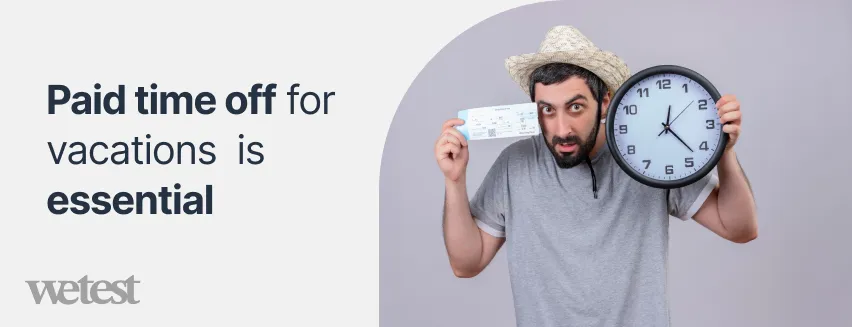
5. Paid Time Off
Giving people paid time off for vacations and personal stuff is essential. It lets them recharge and keeps a healthy balance. This perk reduces stress and burnout.
6. Employee Assistance Programs
Offering EAPs is a great idea because it gives people confidential help for personal problems. Include counseling or financial advice. These programs help your employees deal with stress and other issues.
7. Commuter Benefits
Help people out by giving them subsidies or reimbursement for commuting costs, like for public transit passes or parking.
This lightens their financial load and encourages them to be on time. Plus, it can make your workplace a little more sustainable.
8. Team Building Activities
You should regularly plan some team-building activities. Consider a group lunch, a fun outing, or a joint project.
This strengthens bonds, makes the culture positive, and improves collaboration across the team.
9. Childcare Assistance
Help working parents with childcare. Consider partnering with a local daycare or even having some on-site facilities. It can cut down on absenteeism and improve loyalty.
10. Volunteer Time Off
Let employees take paid time off to volunteer for causes they genuinely care about. This gives them a sense of purpose. VTO programs are also great for your company’s image in the community.
Work-Life Balance and Flexibility
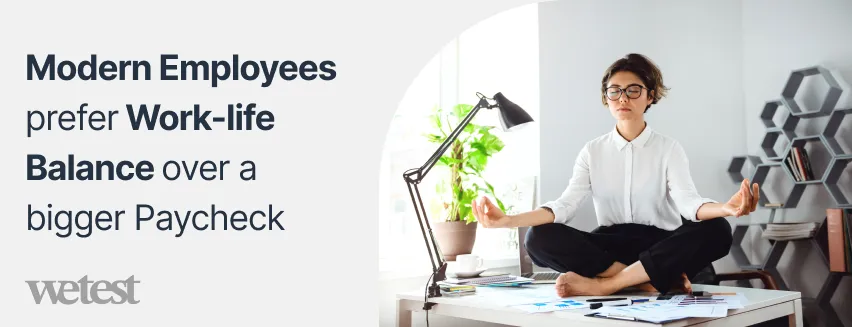
These benefits are strategic tools that help create a great company culture.
Modern employees are putting work-life balance ahead of the old incentives, like getting a bigger paycheck.
Putting in flexible hours or condensed workweeks can improve an employee’s ability to juggle their personal life and their job.
Some companies that moved to a four-day workweek have reported way lower absenteeism and better employee morale.
Offering flexible work options makes a small business instantly more appealing to potential hires. Job candidates are actively looking for employers who will let them fit work around their personal lives.
Flexible work setups can accommodate all kinds of different needs for employees who have caregiving responsibilities or other personal commitments. Offering remote work is a great way for small businesses to support their staff in managing these things.
Giving managers and employees training on how to handle flexible work arrangements is key to making the whole thing work.
Wellness and Lifestyle Perks
Using cost-effective strategies in these areas is necessary for making your employees feel better.
EAPs are awesome because they give employees confidential support for personal stress. Lots of providers have flexible options that are specifically for small businesses, and they come with minimal extra cost.
Organize some easy wellness challenges. Consider a step competition or some mindfulness sessions. These activities encourage healthy habits.
Giving your employees access to mental health support helps you deal with issues before they get serious. Consider online counseling. You can offer these through partnerships for very little money.
Offer simple perks like discounts at local gyms. Improve their quality of life without you having to spend a ton.
Make small investments to create a healthier workspace. Get some decent ergonomic chairs. Small changes in the environment can mean big improvements in how healthy your employees are.
Financial and Professional Development Perks
Improving employee growth and financial well-being doesn’t have to cost a fortune.
Putting some perks in place for finances and professional development is a smart move.
Give your employees the knowledge they need to manage their money well. This means offering resources on things like debt management and retirement.
Lots of service providers have flexible options for small businesses that cost very little.
Help your staff pay for platforms like Coursera or LinkedIn Learning. This lets them pick up new skills at their own pace. These sites have a huge variety of courses, and they’re pretty cheap.
Start simple internal mentorship programs. Pair up the newer staff with your experienced employees. This is great for sharing knowledge and bringing the team closer. You can do this with almost no financial cost since you’re just using the expertise you already have.
Encourage people to learn other roles in the company. This expands their skills and makes them more versatile. You can do cross-training through job shadowing.
Encourage employees to start groups based on shared interests. This builds community and a sense of belonging. ERGs can be platforms for networking and support.
Offer to help pay for industry certifications. This lets employees improve their expertise without carrying the whole financial burden.
Look for partners like SCORE. This gives your staff access to experienced mentors and business advisors outside the company. These external perspectives are free for the business.
You can start programs that give people a small bonus when they successfully get a new certification. This motivates continuous learning and directly ties their development.
A Quora Rundown
Here is a summary of what Quora users had to say about the advantages and creative approaches small businesses use to keep their teams engaged and loyal.
The Personal Touch and Direct Access
David Stenhouse explained why working with a small business often feels different:
“The smaller the business, the shorter the chain of command. As a customer, it is always better your point of contact is the person closest to the actual work you have requested be performed.”
Employees also benefit from working closely with decision-makers. Instead of layers of bureaucracy, employees can directly influence outcomes, get faster approvals, and feel their contributions matter.
Flexibility Beyond Formal Benefits
Anita Campbell, a successful entrepreneur, pointed out that micro-businesses with just a few employees cannot afford formal benefit packages. But they offer something equally valuable:
“Many of them are much more flexible in the working conditions, hours, personal time off and other perks they offer than larger entities. There’s often a family feel to small businesses, and they treat their people like family members.”
The Hidden Cost of Benefits
Dianne Dawson, a business growth coach, highlighted an overlooked truth:
“It’s expensive to have employees. Affordability is a big factor in whether or not benefits are offered and what’s included in the package.”
She recounted how even interns are shocked when they see the real cost of modest raises or healthcare coverage. Many outside observers underestimate that benefits can add 20% or more to wage costs.
Tailoring Benefits to Industry and Workforce
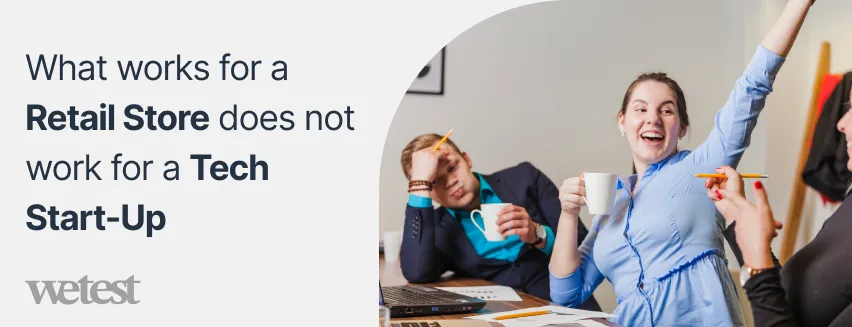
Greg Ellis, who has worked in both retail grocery and tech startups, compared two very different environments. In his family’s grocery store, the winning formula was:
- Pay slightly above market rates
- Offer schedule swapping and rotating preferences
- Provide choices in annual perks
“The training and scheduling were the benefits that kept folks around the most.”
In tech startups, however, Ellis observed that stock options and workshops were more effective.
Stock Options and Retention
Brett Fox, a former CEO, described how stock option policies affected retention at two rival companies:
“The result of having a large chunk of unvested options was that employee retention was high at Maxim. People rarely left.”
At a competitor, smaller refresh grants led to employees leaving as soon as their initial options vested.
Culture of Respect and Autonomy
An anonymous user discussed that respect outweighs perks:
“They respect family time. I’ve never seen a manager reject time off for family. Some will hear of a family event and say, ‘Hey, why don’t you take the rest of today and tomorrow off.’”
Other appreciated “small” benefits included voluntary social events, reasonable travel budgets, and freedom from micromanagement.
Visionary (and Sometimes Bold) Benefits
Alec Moffat, a former presidential advisor, suggested an ambitious model:
“Determine the prevailing wage for various positions and set their beginning compensation equal to 125 percent of the prevailing wage… Free day care. Free meals at noon. Tuition, fees, and books for children of employees at any state-owned college or university.”
Benefits should be designed to reduce life stress. When employees don’t have to worry about essentials, they focus on work.
One Size Doesn’t Fit All
K. Mitchell, with a background in psychology, reminded us that benefits must be individualized:
“There’s no one benefit that trumps everything, because each employee has individual needs and wishes.”
Values and Purpose as Benefits
Tim Berry, founder of Palo Alto Software, emphasized something many overlook:
“Offer people the chance to join in an effort/vision they believe in, based on values they support. Many people want to do something that matters.”
For small businesses that cannot always match pay, communicating a mission is as valuable as cash.
Pay, Equity, and Noble Purpose
Rob Armstrong, a veteran CEO, offered a simple formula for reducing turnover:
“Most young workers now want to do work that creates a greater social good. Your job is to figure out what that is, and then promote it to your workers.”
Younger employees expect alignment with their values.
Conclusion
Small business employee benefits don’t have to bankrupt you to make a huge difference. We’ve talked about all the different types of perks.
The key is to start with a smart approach. Survey your employees to figure out what they care about most. You can put those options into action right away.
Your competitive edge comes from having benefits that are flexible and personalized. You can go head-to-head with the massive corporations by offering perks they can’t even touch.
The long-term return on investment for investing in benefits shows up big time in how well you keep people and how engaged the team is. Every dollar you spend strategically on benefits comes back to you through lower turnover.
Take action today. Figure out what your affordable options are. You don’t have to do everything all at once.
Benefits are quickly becoming the main thing that separates you from the competition in the fight for talent.
You need to view benefits as an investment in business growth, not just another expense.
FAQs
What’s the lowest number of employees for group benefits?
Most states require 2+ employees for group health insurance. HRAs work for any business size, and PEOs can extend group benefits to very small teams.
How much should a small business budget for employee benefits?
A good rule is 20–30% of payroll, but many start at 10–15% and grow over time. Survey employees to spend on what they value most.
Can small businesses offer retirement benefits without high costs?
Yes, Simple IRAs and SEP-IRAs are low-cost. Modern 401(k) providers also offer affordable options.
What are the most cost-effective benefits that make the biggest impact?
Flexible work, professional development, recognition programs, and good PTO policies.
How can small businesses compete with large corporations’ benefits packages?
Offering flexibility, personalization, career growth, and cultural perks that big companies can’t match.
What tax benefits are available for small businesses offering employee benefits?
Most benefits are tax-deductible, and credits like the Small Business Health Care Tax Credit can cover up to 50% of premiums. Cafeteria plans and other pre-tax options lower costs further.
How do I choose the right benefits administration platform?
Pick a platform that fits your size, budget, and needs. Gusto works well for very small teams, BambooHR and Justworks fit growing companies, while ADP and Paychex suit larger ones.
How do I handle benefits for remote employees in different states?
Check that your health plan covers all states or use a national network. Many benefits, like HSAs and retirement plans, travel with employees, and PEOs help with multi-state compliance.
Hire the best candidates
with Wetest.
Create pre-employment assessments in minutes to screen candidates, save time, and hire the best talent.
Try for free