Bonica
September 26, 2023
Skills and strength, also known as skills and abilities, are two common words we use interchangeably from time to time.
Have you ever wondered if there are any differences between these two? Does knowing the differences actually matter?
The answer is yes, especially in the hiring process; as you know, recruitment managers are constantly looking for skilled candidates who have useful strengths.
Therefore, to get your dream job, you need to highlight your skills and strengths in your resume, and you should know how to do so.
To show off your skills and strengths in your CV, you need to know if there are any differences between these two.
We are here to tell you everything you need to know about skills and strengths and their effects on your career path.
Table of Contents
Definition of Skills
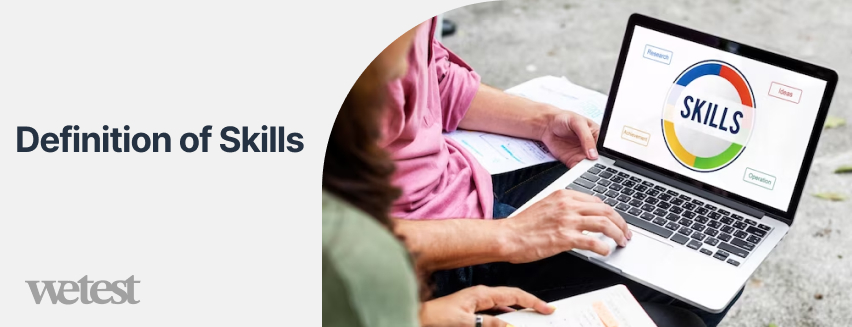
Skills are the abilities and knowledge that individuals acquire through education, training, and self-experience and then use these abilities in everyday life.
Skills are categorized into two sections which are soft skills and hard skills.
Soft Skills
Soft skills are personality traits and interpersonal skills that form individuals’ relationships with others.
Moreover, soft skills are transferable, which means they can be used in different situations, such as communication or critical thinking.
People with good soft skills are more likely to communicate better with others and build strong relationships in the workplace or personal lives.
Hard Skills
Hard skills are known as technical skills that are essential for a job, and people need to have them to work such as coding or writing skills.
Individuals acquire these skills through education and experience; note that hard skills are important for your resume, and employers first look for them when hiring.
Definition of Strength
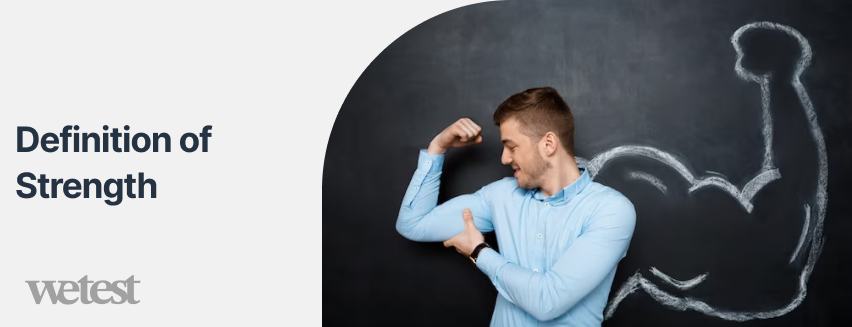
The employee’s strength is the set of personality traits and abilities that help them reach their goals in their career path.
Note that employee strengths vary from person to person and may include different abilities, such as excellent communication or problem-solving skills.
Examples of Skills and Strength
As you may know, you need to list your soft and hard skills and strengths in your resume to easily get your desired job.
The point is mentioning your skills (especially hard skills) in your CV is much easier than listing your soft skills and strengths.
That is why we are going to discuss examples of skills and strengths that help you narrow down which one you should put on your resume that shows you can complete that position’s tasks.
Examples of Soft Skills

- Communication skills
- Decision-making abilities
- Time management
- Critical thinking
- Active listening
- Adaptability
- Stress management
- Teamwork
- Creativity
- Conflict management
- Leadership skills
- Open to criticism
These are some of the soft skills that every employee should have, and mention them in your resume so that you can demonstrate your skills to managers so that they can make a better hiring decision.
Examples of Hard Skills
- Marketing
- Graphic design
- Programming skills
- Coding
- Project management
- Computer knowledge
- Academic writing
- Copywriting
- Digital security
- Data engineering
- Multitasking
- Negotiation skills
- Technical writing
These are some of the most common hard skills you should list in your CV (if you have them).
Examples of Strengths

- Honesty
- Flexibility
- Analytical thinking
- Passionate
- Positive thinking
- Writing skills
- Particular software skills
- Detail oriented
- Empathy
- Good public relationships
- Patient
- Collaborative
- Leadership
- Listening abilities
- Dedication
- Focused
- Self-confidence
- Resourcefulness
Employees who want to work with big companies should try to improve their strengths and write them in their resumes to positively impact hiring managers and assure them that they can do their jobs well.
How to Use Skills and Strength in Your Job
As you know, to have long-term and effective cooperation with important companies, you must be able to use your skills and strengths well. But how you use your skills and strengths in the workplace is important. That is why we will give you some helpful tips in this section.
Applying Your Skills at the Workplace
- Define your goals so you can choose the right direction.
- Stay focused on those skills that you enjoy and are good at.
- Stay up to date and work on improving your skills.
- Try to challenge yourself when you learn a new skill.
- Write down a list of areas you need to improve.
- Ask your colleagues or managers for feedback.
- Practice your skills while learning new ones.
- Take advantage of opportunities that help you show off your abilities.
Ask people outside the workplace for advice.
These are some important points that will help you use your skills and abilities best in the workplace and achieve your goals.
Applying Your Strengths at the Workplace
- The first thing to do is to understand your strengths before using them.
- Practice and improve your abilities.
- Set goals and try to use your strength in doing your tasks.
- Understand your responsibilities in the workplace and try doing them using your strengths.
- Stay focused on your strengths but don’t forget your weaknesses, and try to improve them.
- Challenge yourself with new tasks and responsibilities.
How to Highlight Your Skills and Strength in Your Resume
Your resume is the first thing that identifies your skills and abilities to companies and hiring managers, so you should ensure your CV shows everything about you.
Writing a complete and impressive resume may be a difficult task, but to make sure you write a good resume, you can use resume maker apps or follow some tips that will help you show your abilities and strengths well in your resume to have more chances to cooperate with top companies.
One of the most important steps in how to write a resume is understanding which strengths and skills to mention that best highlight your potential to perform in specific positions.
Moreover, meeting new people who work in your industry helps you better understand your skills and strengths and will boost your career, leading you to easily point out your skills and strengths in your CV.
Besides, if you don’t know what skills to mention in your resume, you can find a coach to help you discover what skills you should mention.
How to Identify Careers to Align with Your Skills and Strength

One of the most important things that will make you successful in your career is to work in a field that suits your talents and strengths, so you should be able to find jobs that are related to your skills.
To identify and find such jobs, using sites that help you in this field, such as LinkedIn is better.
In addition, you can take tests online that allow you to work in job positions where you can use your skills to succeed.
Conclusion
Our skills and strengths form a large part of our personality, which plays an important role in our professional and personal lives, so it is important to understand our abilities to use them to guide our career path in the right direction.
In this article, we have given comprehensive information about skills and strengths and explained their differences in detail so that you have a better understanding of them and know how to strengthen them to have more chances to work with high-end companies.
Hire the best candidates
with Wetest.
Create pre-employment assessments in minutes to screen candidates, save time, and hire the best talent.
Try for free