PMO Meaning, Examples, and Best Practices
Business strategy
Bonica
October 25, 2024
Projects often fail! Studies show that almost 70% of projects don’t reach their goals. This can be because of budget problems or poor management. A Project Management Office (PMO) helps address this problem.
A PMO helps organizations manage projects more effectively by ensuring consistency in project execution. PMOs used to be just for big companies, but now smaller companies are seeing how important they are in achieving goals.
It helps you manage resources. Many companies report that having a PMO has helped them do projects better and on time.
What are the best practices to use a PMO to ensure project success? Continue reading!
Table of Contents
What is a PMO?

The Project Management Office is a department! It helps companies manage projects better.
It makes sure that projects follow the company’s goals. This helps projects be more consistent.
A PMO creates a system for planning and reporting on projects to make projects more accountable.
It is responsible for documenting the best project management methods as it gives guidance on how to manage projects from start to finish.
It also creates a clear system for managing risks. A PMO helps projects be successful by creating project timelines.
A PMO does more than just document things. It helps create the systems to train people on the best project management practices and uses tools to help teams succeed.
The PMO also tracks important things, like how many projects are finished. This helps them make improvements.
The PMO also helps between project teams and stakeholders. It makes sure that everyone is making any changes needed to reach the goals.
The main purpose of a PMO is to improve projects. It helps prevent common problems like scope creep or missed deadlines.
A strong PMO helps projects be more on budget.
It also helps prevent risks by finding problems early and fixing them before they become big problems.
Having a dedicated PMO avoids the pitfalls that lead to project failure.
Types of PMOs

Understanding the different types of PMOs is essential for managing projects.
Internal PMO (IPM)
IPM mainly deals with things inside the company. It works with employees and management.
The IPM makes sure that projects fit with the company’s values to ensure that the company reaches its goals.
The main goal of an Internal PMO is to create best practices and train people. With the IPM, teams follow standard methods for planning projects and reporting to reduce confusion and ensure employees are prepared to do their jobs.
One of the main jobs of the IPM is to ensure that every project team understands and follows the company’s rules. It makes it easier to track progress and measure success.
An Internal PMO works closely with management staff to help them oversee projects. They help communication between project teams and stakeholders.
The IPM focuses on internal processes and works with employees in all departments. It emphasizes efficiency and using resources wisely.
IPM also works with shareholders and investors when projects are big. The company is responsible for its internal processes but the PMO ensures that these processes are running smoothly.
External PMO (EPM)

An External Project Management Office works with both internal staff and external stakeholders.
The EPM involves clients, customers, investors, and other outside entities in its project management.
This is important in industries where working with external stakeholders is vital for projects.
It has a wider focus than an Internal PMO.
EPM helps projects fit with internal processes. Its main job is to manage relationships between internal project teams and external entities.
It is very versatile. EPM must meet internal goals while satisfying external expectations.
An External PMO keeps projects on track with stakeholders to meet internal business goals and external clients’ needs.
The EPM is responsible for planning and budgeting. It also keeps external parties informed.
Customers get updates, and they trust the project’s outcomes.
EPMs have different levels of accountability. Sometimes, the EPM does not have much authority over the company’s internal processes. This is true when the project is driven by investors who have their own ways of doing things.
EPM must find a balance between following the company’s rules and external parties.
It has less control over internal standards than an IPM.
The EPM needs to work with different systems or change its processes. This flexibility is gold in industries where projects need to be customized for clients.
If a company is working on a big project for a client, the EPM would manage the collaboration. This could also involve negotiating contracts and ensuring that legal requirements are met.
An External PMO needs to coordinate many things. It must manage resources and budgets.
The flexibility it brings handles complex projects that involve different parts.
Hybrid PMO
A Hybrid PMO combines the best parts of Internal and External PMOs to be adaptable to the company’s needs.
This type of PMO adjusts its focus based on each project’s specific requirements to be a good choice for companies that work in many industries or manage a variety of projects involving both internal stakeholders and external clients.
It handles both internal and external needs to bridge the gap between them. It manages internal staff and stakeholders like an Internal PMO.
It also works with investors and vendors, like an External PMO.
A hybrid PMO will oversee a project for a new product in a way that allows internal teams to work on the design and external partners to handle distribution. Internal teams follow established processes, and external partners align with the project’s goals.
It adjusts practices based on the project’s needs, focusing on internal structure for some projects and more on the client for others.
A Hybrid PMO switches between following strict internal processes and being more flexible to meet the needs of stakeholders to be the best option for businesses like IT service providers. It manages projects involving different departments and locations to enforce the company’s best practices.
It needs to balance control and flexibility. If a client wants to make a big change to the project, the Hybrid PMO must manage this change without disrupting internal processes. This is a difficult balance.
This helps businesses deliver quality projects while also building strong relationships with clients.
A Hybrid PMO gives companies a big advantage in being agile.
Key Functions of a PMO

PMO helps make sure that projects are done the same way as it manages how projects are governed and resources are allocated.
Process Standardization
One of the main things a PMO does is standardize processes to ensure that all projects are done similarly. This is important for efficiency because it helps teams avoid having to start from scratch with each new project.
Standardization gives teams clear instructions on how to start and finish projects. A PMO creates a framework that helps streamline operations to run projects according to plan.
Reporting structures are another important part of this.
A PMO creates consistent ways of tracking progress to make it easier to spot any problems early and replicate successes quickly.
Governance is also part of standardized processes.
PMOs ensure that teams follow these methods to provide a clear way to escalate issues when they occur and help reduce the risk of delays.
Project Control
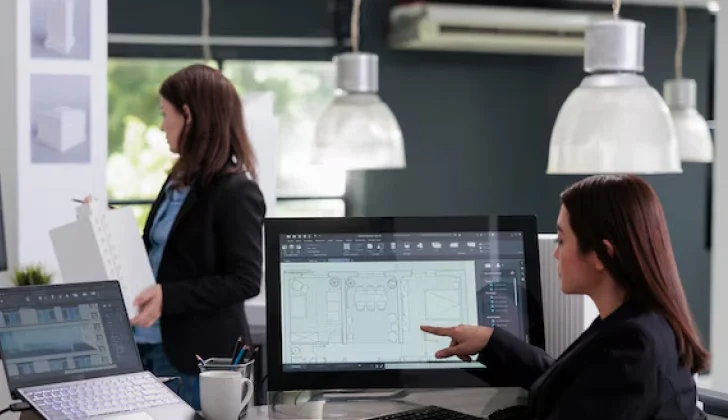
PMOs play an important role in project governance to keep all projects fit with the company’s priorities.
Governance includes creating clear rules for how projects are done and monitored.
The PMO works closely with project managers to define KPIs that measure project success in terms of time and quality.
Governance helps PMOs provide an approach to project oversight to prevent projects from going off track and provides a methodical way to deal with issues. This promotes sustainability.
Skill Sets

PMOs figure out the skills needed for each project and work to fill any gaps by hiring people to make sure that teams are fully equipped to handle the complexities of each project. This helps reduce the risk of mistakes.
Many projects fail not because of bad planning but because the team doesn’t have the necessary skills.
The PMO identifies these gaps early and arranges for training. This is vital when new technology is introduced. Team members may need time to learn how to use these tools effectively.
PMOs are essential in coordinating this training to use project management software and collaboration platforms.
The PMO’s focus on skills also extends to leadership development.
Project managers often get training to help them improve their management skills. This helps them do their current job better and also helps build a more capable workforce.
Technology
Tech makes projects easier and is key to managing projects well.
PMOs use cool tools like Monday.com and Zoho Projects to help teams communicate better and keep all project info in one place.
They eliminate a lot of manual work to make projects run smoother and give everyone real-time updates on how things are going.
These platforms help teams manage tasks and track KPIs such as task completion rates.
Cloud tools also provide centralized access to project data to allow team members and stakeholders stay informed and contribute to decision-making in real time.
Project management software also helps mitigate risks.
Automated reports alert PMOs to potential issues like overspending so they can take corrective action before small problems get bigger.
Examples of PMO Best Practices

Implementing best practices helps streamline operations and improve project outcomes.
1. Managing Scope and Risk
The PMO plays a key role in controlling both. A clearly defined scope helps ensure everyone is aligned on the project’s goals.
Identifying potential risks early on and having a plan to deal with them includes creating contingency plans and setting risk thresholds.
The PMO creates frameworks to assess risks and ensure all stakeholders are prepared.
Adequate scope and risk management lead to better delivery. The PMO helps minimize uncertainties to ensure that they meet their intended objectives.
2. Strong Stakeholder Relationships

The PMO connects everyone to make sure they all understand the project. They quickly fix any problems that come up.
Stakeholders care about the project’s results. It’s important to keep them involved.
The PMO helps create a system for stakeholders to give feedback and make changes.
The project meets its goals and helps the people who will use it.
3. Streamlining Processes for Efficiency
The PMO standardizes processes to help projects succeed. They create a system of processes and tools. This system helps project teams work in a structured way.
Standardization makes it easier to manage projects and report on their progress. Every project follows the same method.
Standardized projects are easier to track and evaluate.
The Project Management Office ensures all teams follow the same project management approach.
Consistency is essential for companies with many projects at hand. It helps them compare project results and find ways to improve.
The PMO documents successful project methods. They keep records of what works well. This helps them reuse these methods in future projects. The PMO also improves these methods. They analyze project data to find problems and make changes.
This helps the PMO stay up-to-date and improve the organization’s project management.
4. Relevant KPIs

KPIs help track project performance and make sure projects meet organizational goals.
PMOs define KPIs like cost performance, task completion rates, resource utilization, and ROI. These metrics help project managers assess progress and see if the project is on track.
KPIs help PMOs quickly find problems and fix them. For example, the PMO can adjust their workload if teams are not using resources as expected.
KPIs also help improve projects. They show areas that need improvement, making future projects more efficient and successful.
5. Team Collaboration
Team engagement is important for a successful PMO. This is especially true in today’s hybrid work environments.
Regular feedback sessions help project managers understand team morale, address problems, and identify who needs help. This creates a culture of open communication, and team members feel heard.
Communication tools help maintain engagement. Tools like Zoom or Slack promote collaboration.
Prioritizing support and feedback will make the project team more cohesive.
6. Strengthening Business Relationships

Building strong business relationships helps the PMO collaborate with other departments.
The PMO makes sure projects have the resources and expertise they need. For example, working with HR helps get the right training for project teams. Working with Finance helps ensure budget adherence and cost optimization.
The PMO should build relationships inside and outside the organization. These relationships help with cooperation.
7. Aligning the PMO with Business Objectives
The PMO should embed business strategy into its projects.
The Project Management Office delivers value by ensuring projects contribute to the organization’s mission.
The PMO develops a strong project selection and prioritization framework. This helps the PMO focus on projects that support the company’s strategic direction.
This makes the PMO relevant and impactful. It helps the PMO remain a valuable part of the organization’s growth and success.
Challenges Faced by PMOs

PMOs offer value but also face challenges.
One challenge is resistance to change. Employees may push back against standardized processes or new technologies. Effective change management can help overcome this resistance.
Another challenge is keeping up with technology.
PMOs must stay current with project management tools. They must make sure teams are familiar with and trained to use these tools.
Finally, PMOs must find the right balance between flexibility and control. Governance is important, but project managers also need freedom to adapt to each project’s needs.
Conclusion
A well-structured PMO is valuable for any organization. It helps ensure projects are completed on time and within budget.
PMOs standardize processes, strengthen stakeholder relationships, and manage resources effectively.
Companies should adopt PMO best practices such as implementing relevant KPIs and maintaining strategic alignment. This helps optimize performance and mitigate risks.
Hire the best candidates
with Wetest.
Create pre-employment assessments in minutes to screen candidates, save time, and hire the best talent.
Try for free