
Top Leadership Interview Questions to Prepare for in 2025
Leadership
Bonica
January 28, 2025
Leaders are expected to possess technical expertise and show the ability to inspire innovation in their teams. The expectations for modern leadership have never been higher and this is why leadership interviews are so challenging.
Leadership interviews are no longer about just listing achievements or discussing past roles. A thorough preparation is essential!
The interviews focus heavily on your skills in solving complex problems and managing diverse teams. You should be able to guide companies through constant change.
Questions are designed to assess how you adapt and lead under pressure.
Topics like using new technologies and creating an inclusive workplace are even more important in leadership interviews in 2025.
Employers are looking for candidates who articulate a clear vision and look for continuous improvement.
It’s important to look at common leadership interview questions and get practical tips on how to answer them in a way that shows what makes you special.
Understanding what interviewers are looking for and presenting yourself honestly will help you differentiate yourself from other candidates.
Table of Contents
Leadership Competencies
Some core abilities are absolutely necessary these days. Companies are seeking leaders who drive results in complex environments.
Leadership roles require a unique mix of attributes that go beyond traditional management as of 2025.
Successful leaders nowadays have a combination of practical and interpersonal skills that help them lead effectively in many different situations.

- Strategic Thinking: It is the ability to analyze complex situations and anticipate challenges.
- Emotional Intelligence: Leaders should understand and manage their own emotions while empathizing with others.
- Communication Skills: The leadership role requires exceptional verbal and written communication.
- Adaptability: Leaders must show resilience and flexibility in the face of change.
- Inclusivity and Collaboration: Modern leadership needs inclusive teams with a culture of belonging.
Leading with the Company in Mind
You should be able to align your personal leadership style with the objectives of the company you want to lead.
Every company has its unique culture. Successful leaders understand how to change their approach to fit in that environment. A creative leader does well in a startup, while a more organized leader is better for established companies with clear procedures.
Being able to assess your leadership style and adapt it to meet organizational goals guarantees your success.
Take the time to think about what you’re good at and how those skills match what employers are seeking.
Leadership Interview Questions

Your leadership defines how you guide and influence others.
Style and Philosophy
Employers are interested in your leadership style and the principles that inform your decisions.
Questions about leadership style want to assess how well your approach fits with the company’s culture and if you can handle changing situations.
- 1. How would you describe your leadership style, and how has it evolved over your career?
- 2. What leadership philosophies do you follow, and how do they shape your decisions?
- 3. Can you provide an example of a time when your leadership approach helped resolve a critical issue?
- 4. How do you balance being approachable and maintaining authority as a leader?
- 5. What are the most important traits of an effective leader?
- 6. How do you ensure that your leadership style remains flexible in different organizational contexts?
- 7. Can you discuss a time when you changed your leadership style to better suit a team?
- 8. What strategies do you use to build trust with your team?
- 9. How do you ensure that your leadership philosophy aligns with the overall vision of the organization?
- 10. How do you measure the success of your leadership approach, and what metrics do you rely on?
Team Management and Development
Companies want leaders who can create strong teams and encourage teamwork. They value those leaders who help employees be their best.
Questions in this category focus on your ability to resolve conflicts and create a positive work environment for everyone.

- 1. How do you identify and use the strengths of your team members?
- 2. Can you share an example of a time when you successfully resolved a conflict in your team?
- 3. What strategies do you use to improve a culture of collaboration and mutual respect?
- 4. How do you handle underperforming team members while maintaining team morale?
- 5. What approaches do you use to motivate your team during challenging projects?
- 6. How do you ensure continuous development and learning opportunities for your team members?
- 7. Can you describe a time when you transformed a struggling team into a high-performing one?
- 8. How do you balance meeting organizational goals while supporting individual employee growth?
- 9. What methods do you use to measure team performance and provide constructive feedback?
- 10. How do you ensure that all team members feel included in a diverse workplace?
Making Choices and Finding Solutions
Employers look for leaders who analyze complex situations and weigh the pros and cons of solutions. You should be able to use strategies that produce results.
They ask questions to know how you approach challenges and keep a clear focus under pressure.

- 1. Can you describe a difficult decision you had to make as a leader? What was your thought process?
- 2. How do you prioritize tasks when resources are limited?
- 3. What steps do you take to analyze a complex problem in your team?
- 4. How do you balance short-term needs with long-term goals when making decisions?
- 5. Can you provide an example of a time when a decision you made had unexpected consequences? What did you do about it?
- 6. How do you handle situations where there is no clear right or wrong answer?
- 7. What role does evidence play in your decisions?
- 8. How do you involve your team in solving problems and making decisions?
- 9. Can you share a time when you had to make a quick decision under pressure? How did it turn out?
- 10. What strategies do you use to evaluate the success or failure of a decision?
Adaptability and Change Management
Employers seek leaders who guide their teams through transitions. Can you remain resilient in the face of uncertainty?
They assess your flexibility and ability to inspire others during periods of change.

- 1. How do you approach leading a team through big organizational changes?
- 2. Can you share an example of a time when you had to adapt quickly to an unexpected challenge?
- 3. What strategies do you use to help your team accept new processes?
- 4. What do you do when your team or company doesn’t want to change?
- 5. Can you describe a situation where you successfully managed a transition that involved high uncertainty?
- 6. How do you stay flexible and open when you’re putting changes in place?
- 7. What steps do you take to ensure effective communication during periods of change?
- 8. How do you balance the need for change with maintaining team productivity?
- 9. Can you describe a situation where your ability to adapt helped you find a new opportunity?
- 10. How do you figure out if the changes you led made a difference?
Technological Integration in Leadership
All interview questions are designed to evaluate your perspective on key areas like technology. Leaders must know how to integrate technology into their strategies.
These questions challenge you to show that you think ahead strategically and that your leadership style fits what the company will need in the future.

- 1. How do you assess which technologies are worth adopting for your company?
- 2. Can you describe a situation where technology helped you achieve better results in a leadership role?
- 3. How do you ensure your team stays updated on technological advancements relevant to their roles?
- 4. What role do analytics play in your decisions?
- 5. How do you manage risks associated with using new technologies?
- 6. What strategies do you use to balance automation with the need for human expertise?
- 7. How do you handle it when your team is concerned about using new tech?
- 8. How do you evaluate the success of technology integration?
Promoting Diversity and Inclusion
Inclusive leadership is no longer optional! It is essential for improving collaboration and employee satisfaction.
They will ask about your understanding of diversity and your strategies for creating an inclusive workplace.

- 1. What steps do you take to ensure your team is diverse and inclusive?
- 2. Can you tell me about a time you helped people from underrepresented groups at work?
- 3. What do you do to stop hidden biases from affecting how you hire people and manage your team?
- 4. What strategies do you use to promote collaboration among team members from diverse backgrounds?
- 5. How do you handle situations where team members feel excluded?
- 6. How do you ensure diversity and inclusion remain priorities during organizational changes?
- 7. What role does inclusion play in your leadership philosophy?
- 8. How do you know if your efforts to increase diversity are working?
A Quora Rundown
There are many leaders and experienced professionals among Quora users who have shared their advice on how to stand out in leadership interviews.
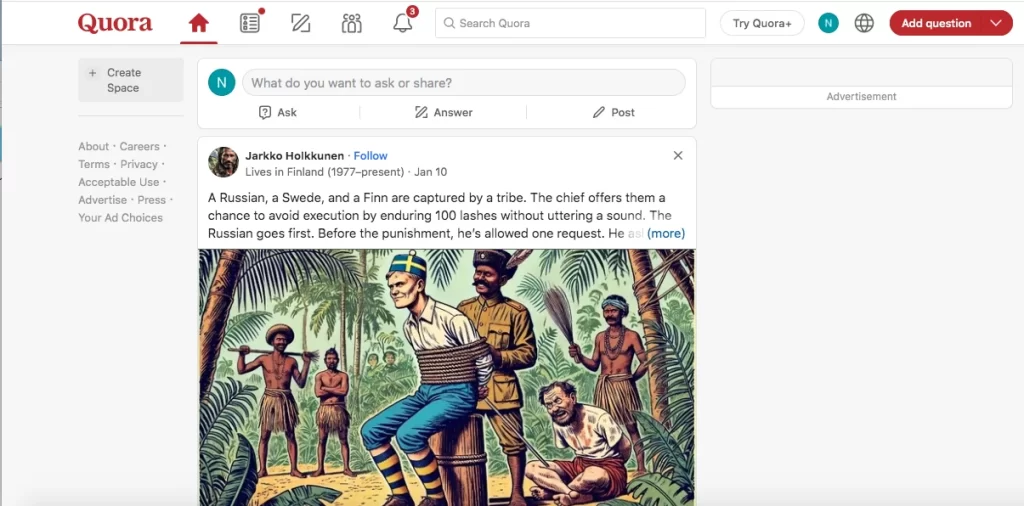
Show the Full Picture
Payel Vora suggests focusing on aspects beyond just your resume! “Talk about more than just what’s on your resume.”
A great leadership candidate doesn’t just recite past achievements! They present a future vision and a plan for how they will help the company grow.
Payel also points out that your words should match your appearance, and that your body language is very important. Confidence with no arrogance is key.
Showing Strategic Vision
Hassanin Yousif is a leadership expert. He gives a more detailed look at the strategic side of leadership interviews.
He points out that having a vision and being able to think strategically are vital for leaders who want to succeed in 2025. “You should be able to convince your interviewer of your vision,”
He also emphasizes that you need to share your experiences as a leader on how you’ve empowered teams and dealt with disruptions.
Company Research and Self-Assessment
Vaishnavi Varshney is a leadership professional who emphasizes the importance of preparation! “Revisit the official job description and conduct some research about the company,” she advises.
Vaishnavi also stresses the need to find your own leadership strengths that are relevant to the role. She recommends using the STAR method to explain these examples.

Kiranmai Ghuguloth agrees that being prepared is key, and that means understanding the job description. But she adds that it’s also important to know your strengths and how they match what the company needs. Your skills must match the job requirements.
First Impressions Matter
Billy Arcement is a leadership solutions expert. He offers a practical perspective. His advice includes the basics of making a great first impression: “Dress neatly, hold yourself confidently, and look people in the eye,” he says.
He also recommends coming prepared with thoughtful questions for the interviewer. It’s about engaging them in meaningful dialogue about the role and the company. “It’s okay to say you don’t know something,” he advises.
Confidence with Humility
Yanay Zohar is an innovation strategist! He discusses the importance of humility in leadership interviews. “Be confident, but stay humble,” he adds that it’s crucial to recognize that accomplishments are the result of a collective effort.
Yanay also says it’s good to be open about your weaknesses in interviews because that helps you connect better with the people interviewing you.
Learning from Failures
Chris Johnson is a mentor for future leaders! He discusses failure as a topic that’s overlooked in leadership interviews. “Have an example of courage,” he encourages. It’s vital to show you learn from your mistakes.

He also says it’s good to talk about your ideas for the team or department with a focus on how you’d make it a good place to work.
Conclusion
The leaders who succeed are those who stay ahead of trends and lead with innovation and empathy. Leadership interviews want to discover if you can learn new things and grow in new situations.
The best leaders are those who understand that growth never stops! The best way to succeed in leadership interviews is to think back on your own experiences.
Every time you’ve been a leader you’ve learned something valuable about your abilities. Reflecting on these experiences allows you to answer interview questions genuinely.
Being yourself makes a good impression on interviewers because it shows you know yourself well and can learn from both good and bad experiences.
Hire the best candidates
with Wetest.
Create pre-employment assessments in minutes to screen candidates, save time, and hire the best talent.
Try for free