The Latest Workplace Trends and Their Impact on Employees
Employee relations
Bonica
February 21, 2025
Remote work and a renewed focus on employee engagement are the new terms for the businesses.
We have witnessed a big change in how companies operate. They have had to redesign every part of their operation.
The sudden remote work during the pandemic showed the benefits of flexibility. Companies discovered that remote work opens up a global talent pool previously limited by geography.
Many companies are now adopting hybrid work models. They blend in-office collaboration with remote work to balance productivity with work-life balance. This evolution is a strategic realignment that is redefining business models.
Understanding these trends is crucial for both employees and organizations.
The challenge for employers is in reimagining workplace culture. They must invest in digital tools and AI solutions to ensure that employees remain engaged. It’s evidenced by the fact that global spending on digital transformation will reach over four trillion dollars soon.
Employees now demand meaningful interactions and a work environment that prioritizes their health. Engaged employees bring better performance and innovation.
This digital transformation also brings challenges like technostress and the risk of losing personal autonomy.
Table of Contents
Key Takeaways:
- The pandemic has transformed workplace dynamics. Remote and hybrid work models are more prevalent these days.
- Employee well-being has become a central focus. Companies implement mental health initiatives and flexible work arrangements to support their teams.
- Advanced technologies and artificial intelligence are reshaping job roles and necessitating continuous learning among employees.
- Leadership styles are evolving! There is a shift towards empathetic and inclusive management practices.
- Trends like Quiet Quitting and the demand for better benefits show companies need to pay attention to what employees want.
The Evolving Nature of Work
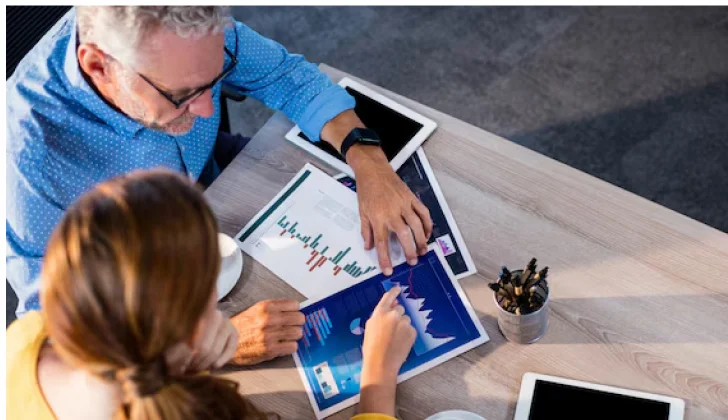
The way we work has transformed over the past decade. This shift accelerated with the pandemic.
Historical Context and the Pandemic
The traditional office was seen as the center of professional activity. Work was synonymous with physically being present in an office.
This was a strong norm in corporate culture. Everybody had clear lines between personal and professional life. The rise of digital technologies slowly started to break down the boundaries of this model.
The sudden pandemic truly changed everything. It was chaotic and revolutionary at the same time. PeopleSpheres shows this transition was the beginning of a long-term evolution in how work is structured.
The pandemic shifted employee and employer expectations. Employees began to value freedom and flexibility. Companies discovered that a remote workforce could even improve productivity.
The office suddenly became less critical as digital collaboration tools enabled effective remote management.
Remote and Hybrid Models
These work arrangements are the new norms coming from the demand for flexibility and global access to talent. Gallup’s research proves that these factors are key to modern work strategies.
Remote work offers advantages. The best candidates are no longer limited by where the office is located. Remote work translates to time and cost savings. It improves job satisfaction and reduces stress.
Issues such as isolation and technostress have emerged as well.
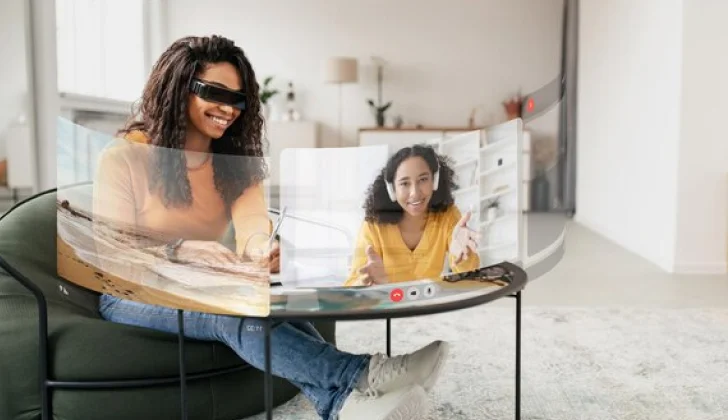
Many companies have not abandoned the office entirely but instead accepted a hybrid model. They combine remote and in-office work.
This hybrid approach balances the benefits of both models.
Hushed Hybrid is a new work style where the lines between office and home are blurred! It allows for a more flexible schedule. Some companies have allowed teams to choose core office days while having flexibility on other days.
Recruitment strategies have changed as well. Companies are looking beyond local markets. They use digital platforms to scout talents. This has led to a more diverse workforce.
How Workplace Trends Affect Employees

Technological integration with a focus on AI and evolving leadership practices are changing the modern work environment rapidly.
Remote and Hybrid Work Arrangements
One of the most immediate benefits of remote work is the increased autonomy it provides.
Employees are now able to design their work environments and schedule their tasks around personal priorities. They avoid the stressful commutes that once consumed a big portion of their day.
The remote work model is not without its challenges. Employees struggle to build the kind of interpersonal relationships that fuel collaboration. Remote work demands that companies actively address issues of technostress.
These work arrangements have shifted how companies view physical office space. The focus has moved away from simply having employees present in a building.
Wellness Programs
Companies are investing heavily in corporate wellness programs. It involves more than traditional health screenings and gym memberships these days.
New trends in mental health initiatives and flexible wellness perks are improving the quality of life for employees.
Companies are starting programs to support mental health directly. Mindfulness training sessions and even access to online counseling services are now common features.

Data from sources like Factorial have shown that effective wellness programs have a positive return on investment. It reduces absenteeism and healthcare costs. Employees who participate in wellness programs remain loyal to their employers.
The cost-benefit analysis of these programs is not always easy. Many studies show the financial benefits of reduced medical claims and others warn that the actual savings vary widely.
Employers must carefully evaluate the design of wellness programs to ensure they meet the needs of their employees.
Technological Integration
One of the aspects of this transformation is the use of artificial intelligence.
AI in the workplace offers numerous benefits. It automates repetitive tasks to improve decision-making. AI platforms help monitor employee productivity and facilitate online collaboration.
The integration of AI also brings challenges. One concern is the potential for job displacement. AI systems perform tasks traditionally handled by humans and there is anxiety among workers about the future.
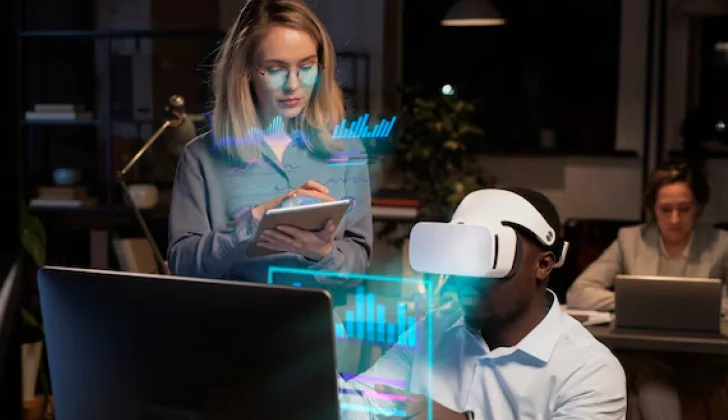
This anxiety negatively affects employee engagement. Phenomena like the Mouse Shuffle happen where employees move their mouse continuously to appear busy under monitoring.
Balancing automation benefits with the human element is crucial. Companies need to develop strategies to reduce the negative effects of technostress. Leaders should shift the focus from tracking every click to evaluating real outcomes.
Technology is a driver of innovation and a source of new workplace stressors.
Management Practices
Many companies thought it was important for leaders to be empathetic before the pandemic.
A noticeable shift has emerged. Some managers are becoming more controlling and focused on results.
This trend has been shown in recent Business Insider coverage. It points to a feeling among top executives that feelings-based management is being replaced by stricter performance evaluations.
Many bosses now argue that in-person supervision brings better accountability. They believe being physically present in the office encourages collaborations that are difficult to replicate remotely.
This idea is leading to managers taking back control with more focus on closer supervision.

Some employees appreciate clear expectations and others feel it takes away the independence employees earned during the pandemic.
The debate over whether bosses are done caring how you feel shows deeper tensions. Being too controlling leads to disengaged employees and higher turnover.
Effective leaders are those who use technology to improve collaboration while still prioritizing the psychological needs of their teams.
Leaders who combine a focus on results with empathy are likely to have better employee retention.
Emerging Workplace Phenomena

Several emerging trends have begun to redefine how employees and employers interact. These unique phenomena offer opportunities and challenges.
Quiet Quitting
It happens when employees perform only the minimum necessary to fulfill job requirements. This trend shows a reaction to burnout with traditional work structures.
A counter trend known as Quiet Thriving has emerged as well. It refers to employees who find meaning in their work and focus on personal development even when the company is dysfunctional.
These employees channel their energy into building skills. People can find meaning and growth even in less-than-ideal conditions.
There is also a less discussed trend called Quiet Firing. Companies subtly reassign or isolate employees until they choose to leave voluntarily.
This hidden approach avoids the bad publicity costs of traditional firings but it hurts trust in the long run.
Productivity Theatre
Many companies have turned to monitoring software. This brings what some experts call Productivity Theatre. It involves behaviors where employees perform visible actions to appear busy.
An example of this is the Mouse Shuffle phenomenon. Some remote employees move their mouse and create activity signals to make it look like they’re always working.

This behavior shows a disconnect between measured output and genuine productivity.
This kind of monitoring creates a work environment where looking busy is more important than actually getting things done. This focus on busy work takes away from real work and creative problem-solving.
Fringe Benefits
Progressive companies are now having modern perks such as pawternity leave for new pet parents and grandparent leave programs.
These innovative benefits are designed to acknowledge the diverse needs of today’s workforce and offer employees flexibility that extends well beyond traditional work hours.

A digital marketing agency might allow employees to take paid time off when adopting a pet. A multinational corporation might offer grandparent leave to help employees support their families. These benefits show that the company cares about work-life balance.
Ghost Jobs and Hidden Hiring
These job listings appear to be active openings but may serve primarily as talent pools for future hiring or even as a tactic to boost the company’s image as a growing organization.
Ghost jobs are frustrating for job seekers. They create a fake sense of opportunity while hiding the reality of a workforce that’s changing behind the scenes.
This makes job hunting harder and less clear. It leaves people unsure if jobs are real. Some companies do this to collect resumes for future openings but it’s not fair at all.
A Quora Rundown
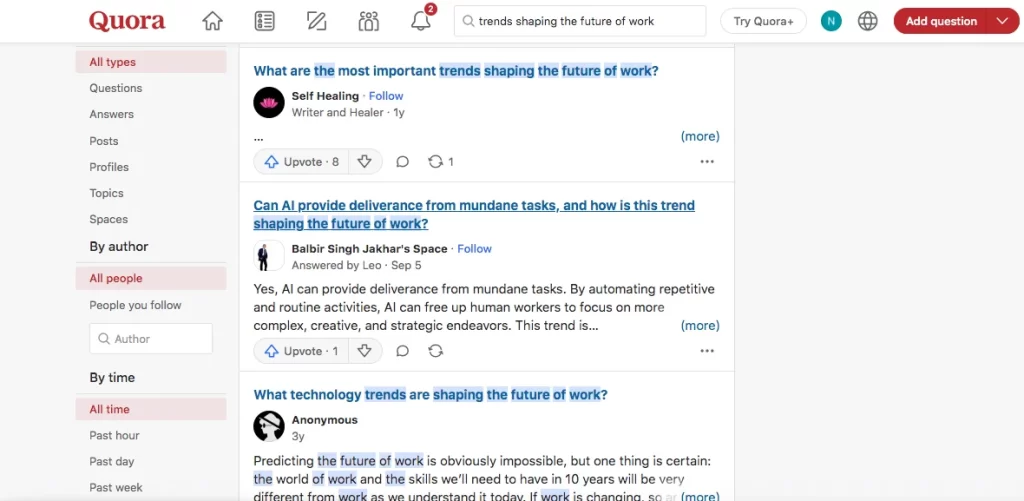
Quora users have been actively discussing the emerging trends shaping the future of work and how these developments impact industries and the global workforce.
Global Talent and Lifelong Learning
Many users point out that the future of work is defined by hiring people from anywhere.
Shraddha Mainkar notes “Companies are increasingly looking for talent based on skills and experience, regardless of location.”
This trend has led to a culture of lifelong learning. Technology is changing fast and workers need to update their skills to stay competitive.
Botbuz pointed out “Continuous learning and skill development will be essential as job roles evolve and new technologies emerge.”
Gig Economy and Freelance Work
Several users observed that more professionals are choosing freelance and part-time roles.
Dipanshu Kumar noted that “the gig economy, including freelance and contract work, is expected to continue to grow, offering flexibility and income opportunities for some workers.”

The shift to gig work also comes with challenges. They lack the job security and benefits of full-time employment. Many users warn that strong personal branding is needed to succeed.
The Impact of AI
It has been noted by users that AI is democratizing access to analytical capabilities.
Ari Haran remarked, “AI is poised to transform the future of work, bringing both opportunities and challenges.”
AI is improving a new form of human-AI collaboration. It is seen as a partner.
Tori advised, “Rather than focusing on potentially being replaced by AI, I would recommend getting educated about AI and use it to your advantage.”
Sustainability of Workspaces
They have observed that companies are turning spaces into smart workspaces equipped with IoT devices and virtual reality tools.
TechNet Conferences added “Several emerging technology trends were shaping our future,”
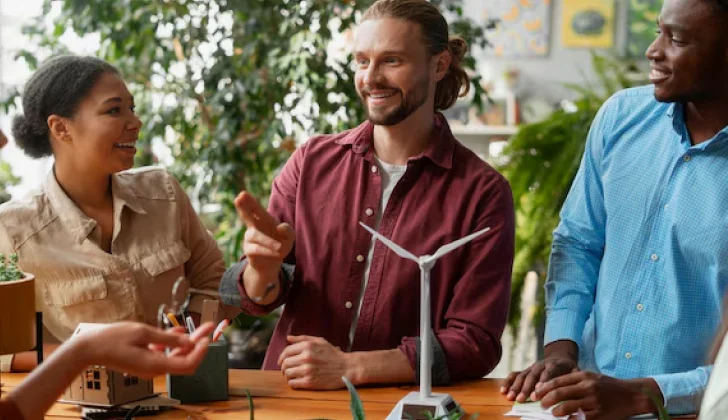
These changes aim to create more sustainable work environments. Modern workspaces are being designed to reduce energy consumption while improving collaboration.
Conclusion
The workplace will continue to evolve at a rapid pace in the future. Trends like AI integration and hybrid work are expected to become even more sophisticated. Advanced AI tools will automate routine tasks and guide strategic decision-making.
This evolution will likely result in a workplace where human and machine collaboration is seamless.
Hybrid work models will continue to mature. Companies will refine their remote and in-office balance. Flexible work arrangements will become more tailored to individual needs.
Both employers and employees must be ready to adapt to continuous changes.
You should invest in upskilling and creating policies that support technological progress and personal well-being. This is how you help create a future where everyone benefits from innovation.
Hire the best candidates
with Wetest.
Create pre-employment assessments in minutes to screen candidates, save time, and hire the best talent.
Try for free