Employee Engagement Committee: Purpose, Roles, and Best Practices
Employee relations
Bonica
January 14, 2025
Companies are constantly searching for ways to have higher employee satisfaction. They should improve collaboration to build a culture that brings success. An employee engagement committee is one of the most effective tools for these goals.
It’s a group of dedicated employees from different parts of the company who work on projects to improve job satisfaction and productivity.
This committee bridges employees and leadership. It ensures that voices are heard and engagement remains a top priority.
Employee engagement includes more than just being satisfied with your work. It includes how employees feel about their work psychologically and this directly affects how willing they are to help the company succeed.
Highly engaged employees are more committed and bring better business outcomes. This makes the role of an employee engagement committee all the more significant.
Such committees are very important in modern companies. Keeping employees is a big problem these days. That’s why engagement committees are vital for dealing with these issues.
They focus on initiatives that promote team collaboration.
These committees help connect management and employees. These committees gather feedback and implement solutions. They help companies understand what their employees need.
Table of Contents
Purpose of an Employee Engagement Committee

These committees focus on initiatives that create meaningful connections and address workplace challenges.
Employee Satisfaction
An employee engagement committee works to find out what makes people happy at work. It helps employees to have chances to grow and good relationships with coworkers.
These committees organize events and wellness programs to help people bond.
Motivated employees tend to be more productive. They will stay with the company longer. This creates a more positive atmosphere at work.
Communication Between Staff and Management

Poor communication between employees and management causes misunderstandings. An EEC helps by creating better communication between them.
The committee uses surveys and open meetings to get feedback from employees and then shares that feedback with the leaders.
It also communicates organizational goals and changes from management to employees. Open communication always promotes trust.
Positive Organizational Culture
The committee helps shape and grow this culture by promoting inclusivity. It organizes activities that celebrate diversity and recognize achievements.
They also support projects that fit with the company’s sustainability programs and professional development workshops.
EEC creates a workplace where employees feel supported. The committee helps build a culture that people are proud of. This makes them feel more connected to the company.
Employee Retention and Reducing Turnover
Employee turnover is a big challenge for companies that increases hiring costs.
One of the purposes of an EEC is to address this issue by creating an environment that encourages employees to stay.

Committees achieve this by focusing on retention strategies. Recognizing and rewarding contributions and offering career development opportunities are among them. These efforts help employees feel invested in the company’s future.
The committee actively listens to employee feedback to identify and resolve issues. They improve workplace policies and offer mentorship programs.
It also makes it easier for new hires to get used to the company by providing support when they first arrive.
Key Responsibilities and Roles

An employee engagement committee will only succeed if its members have clearly defined roles and if it has the support of HR and leadership.
Each stakeholder is important for making sure the committee operates effectively and achieves its goals.
Committee Members
Their responsibilities are multifaceted and directly influence the committee’s success.
Planning and Organizing Engagement Activities
Committee members are mainly responsible for planning and carrying out projects that make employees feel better about their work and create a sense of belonging.
These activities include team-building events and recognition programs. Wellness campaigns and professional development workshops can be among them as well.
Members must collaborate to ensure activities align with the interests and needs of employees. This involves brainstorming ideas and making the necessary arrangements.
Analyzing Employee Feedback

It’s important for committee members to really understand how employees feel and what they’re concerned about to create meaningful engagement activities.
A key part of the job is to collect feedback using focus groups and individual conversations.
Committee members analyze the data to find challenges and opportunities. This way of working allows the committee to address the real problems people are facing.
Human Resources
The committee works independently but HR provides guidance and support.
HR ensures the committee has the resources necessary to succeed.
Supporting and Guiding the Committee

HR helps the committee with how to get employees more involved and how to resolve disagreements. They know how to manage relationships with employees.
They provide a framework for the committee to ensure it remains effective and focused.
HR also helps to resolve conflicts when they occur. They also make sure the committee’s activities are in line with company policies.
Resources and Training
HR is responsible for equipping the committee with the tools and resources it needs. This includes providing access to event planning budgets and training sessions on employee engagement practices.
HR organizes workshops or external training programs to improve the skills of committee members.
Leadership

Leaders are very important for giving the EEC the power to do its work and showing that the company cares about its employees.
The committee’s effectiveness is greatly improved by active leadership involvement.
Promoting and Participating in Company Projects
Leadership endorsement is crucial for the committee’s credibility.
Leaders should actively participate in engagement activities and visibly support initiatives. It sends a strong message to employees about the importance of engagement.
Their involvement also encourages greater participation from employees.
Providing the Necessary Resources
The employee engagement committee requires access to resources. They need funding and tools.
Leadership is responsible for allocating these resources and ensuring the committee has the support it needs.
Establishing an Employee Engagement Committee

Creating a successful EEC begins with a structured foundation.
A strategic approach ensures the committee is equipped to improve connections and engagement.
Clear Objectives and Goals
The first step in forming an EEC is to define its purpose. What does the organization aim to achieve through this committee?
Clear objectives provide a roadmap for the committee’s activities. These goals should be specific and measurable. The committee will prioritize its projects and measure progress effectively.
Diverse and Representative Members

The success of an EEC depends on the inclusivity of its members.
Choosing people from different departments and with different levels of experience makes sure the committee represents the different viewpoints of the employees.
The Committee Charter
This is the foundation for EEC’s operations.
The committee charter provides clarity on the committee’s mission and processes. It ensures all members are aligned and accountable.
Mission Statement

It defines the committee’s purpose and overarching goals. A mission statement should be inspiring.
A mission statement might read: “Our mission is to create a workplace where everyone feels included and works together to be more innovative”
Roles and Responsibilities
Who are your chairpersons, coordinators, and general members? The charter should show the roles of committee members.
Clearly defined roles prevent confusion and ensure that tasks are distributed fairly.
Meeting Schedules and Protocols
The charter should say how often the committee will meet (like once a month or every three months) and how they will decide what to talk about. Explaining how they will make decisions, how they will keep records of what they decide, and when to schedule one on one meetings to address specific concerns are also among them.
Effective meetings are structured and focused on actionable items. Assigning roles such as a facilitator and note-taker improves meeting productivity.
Tips for Establishing the Committee
Setting up an EEC comes with its share of challenges. You will face skepticism and resistance from employees or resource constraints.
You should communicate the committee’s purpose and show its value to employees. Get them involved in making decisions so they feel like they have a stake in the outcome.

Work closely with leadership to secure funding for the committee’s activities. Show clearly how efforts to improve employee engagement lead to better results for the company.
Keep committee members motivated by recognizing contributions and providing ongoing support.
Best Practices for Effective Operation

Ensuring EEC’s ongoing success requires a commitment to best practices that promote meaningful impact.
Setting Measurable and Achievable Goals
Aim for specific and time-bound goals.
The committee might set a goal to “Increase employee satisfaction scores by 10% in the next six months.” These specific targets allow the committee to measure progress.
Setting goals for the near future and the long run helps achieve quick results and lasting change.
Regularly checking and changing these goals based on employee feedback and what the company needs keeps the committee focused and productive.
Rotating Committee Membership
Lack of progress gets in the way of the committee being effective. Introducing a rotation system keeps ideas fresh and brings a variety of perspectives.
Committee members can serve for one year, and some members will change each year. This keeps things consistent while also bringing in fresh ideas.

A structured onboarding process for new members helps them quickly adapt to their roles.
Providing mentorship opportunities between outgoing and incoming members supports a better transition.
Transparency in Decision-Making
Employees should understand how the committee operates and how initiatives are prioritized.
You should share meeting minutes, progress reports, and outcomes of engagement activities with the workforce. This openness shows the committee’s accountability.
A Quora Rundown
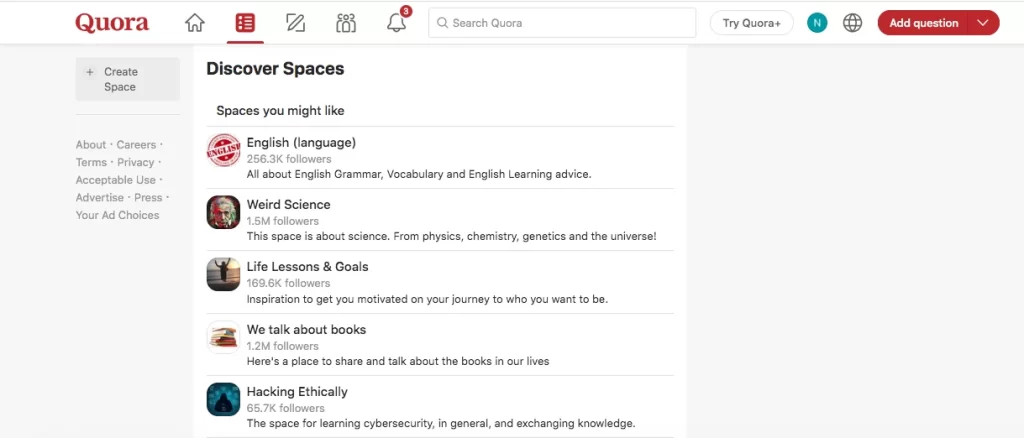
Quora has lots of great real-life stories and unique ideas about how to get employees more engaged.
Building Commitment Through Purpose
Nir Megnazi has been a leadership coach at Intel. He said that employee engagement means being dedicated to the company’s success and that you can make people feel like they belong by showing them how their work makes a difference.
Nir shared an example of a team-building exercise where managers facilitated discussions about the team’s role in a larger project and how they could shape outcomes.
He noted, “The understanding that we contribute to the goal, that we are important, creates a feeling of commitment.”
When “Fun” Isn’t Always Fun
Kelly Franklin is a retired educator. She admitted her dislike for traditional engagement exercises which often felt forced.
She recommended treating employees with respect, listening to what they have to say, and giving them time off instead of making them go to events whenever possible.
Physical Activities for Team Bonding
David Fuzes has been an employee engagement specialist. He shared an innovative example of a successful activity: Combat Archery!

This energetic game allowed employees to release stress while building teamwork in a competitive environment.
David observed that the physical activity brought laughter and collaboration.
Fun Competitions with Purpose
Charisse Lewis suggested incorporating workplace competitions.
She proposed forming a “celebration committee” to organize these activities.
Competitions, she noted, improve excitement and a shared sense of achievement when tied to meaningful rewards.
Enabling Growth and Success
Morten Heedegaard advised leaders to ask team members about their development needs and aspirations.
He asks to involve them in decision-making and show genuine interest in their growth. “Help your team. Their problem is ultimately your problem,”
Team-Building Exercises
Kritika Guglani has been an HR professional and listed several activities.

- Whiteboard Challenge: Encourages problem-solving in small groups.
- Zen Counting: Promotes mindfulness and patience in a quiet setting.
- Two Truths and a Lie: A fun way to improve connections among newer teams.
- Office Trivia: A competition that encourages interaction.
She concluded that the most effective employee engagement activity depends on the desired outcome and the team’s unique dynamics.
Conclusion
Employee engagement committees go beyond traditional HR practices. They help employees to contribute to the company’s success while improving their sense of belonging.
These committees plan meaningful team-building activities and address employee feedback proactively.
By implementing best practices such as involving diverse voices, companies create an environment where employees feel connected.
The impact of shared lunches or more structured efforts like leadership development programs is evident in better retention rates and higher team performance.
Now is the time to take action. Consider forming an employee engagement committee in your company.
Hire the best candidates
with Wetest.
Create pre-employment assessments in minutes to screen candidates, save time, and hire the best talent.
Try for free