
The Best Job Affirmations: Boost Your Career Success
Employment
Bonica
January 3, 2025
Mindset is a major factor in career success. Your outlook and attitude often determine how far you can go. This is where job affirmations come into play. But what exactly are they?
Job affirmations are positive statements that improve confidence and motivation. They help you get rid of doubt and think positively. Affirmations help you center your thoughts on achieving your goals.
Their power is in their ability to reshape your subconscious mind! Research shows that consistent exposure to positive statements influences neural pathways. This encourages you to be optimistic when solving problems.
Imagine starting your day by saying: I am capable of achieving great things at work. It is simple, but it makes a real difference!
Repeating them makes you more confident that you’ll manage challenges and do well in your career.
Job affirmations also improve your performance and workplace relationships. Make sure to combine them with actionable strategies like setting measurable goals.
Table of Contents
Understanding Job Affirmations

Job affirmations are short and positive statements that change your mindset. They are tools used to combat doubt and negative thoughts.
You should repeat them to reinforce positive beliefs about yourself.
The subconscious is a part of our brain. It influences our emotional responses. Repeating affirmations regularly reprograms your subconscious to prioritize optimism.
Saying, “I am able to overcome challenges at work,” helps you internalize this belief. You make it easier to act with confidence in stressful situations.
The psychology behind these statements is linked to neuroplasticity. Repeating positive statements encourages the brain to replace limiting beliefs with new ones. This shift influences your actions as well.
You will gradually notice improvements in how you approach work and manage stress.
So, why are job affirmations beneficial in a professional context? They provide a sense of control in environments that are unpredictable. Imagine preparing for an important presentation or handling workplace conflicts! Affirmations help you stay stable.
Affirmations also improve resilience. Reminding yourself of your worth helps you recover from setbacks more easily.
Job affirmations are a practice that allows you to seize opportunities.
Writing Effective Job Affirmations

It is both an art and a science! Affirmations are simple in concept. Their effectiveness depends on how well they match your goals.
Writing Personalized Affirmations
Affirmations should focus on what you want to achieve.
You should frame them as if the desired outcome is already a reality! You should never say, “I will stop being nervous during meetings,” instead, “I communicate confidently and clearly in every meeting.”
Always be specific! Vague affirmations lack the power to inspire action. You should clearly articulate your intentions. For example, “I excel in my role and deliver the best results” is more effective than “I want to be good at my job.”
We talked about objectives before. Make sure about the relevance of affirmations to your goals. Your affirmations should align with your aspirations.
Affirmations like, “I am a valuable team leader who brings about results,” help focus your energy on leadership qualities if you are looking for promotion at work.
Never forget emotions as well. Incorporate them. Adding an emotional element makes affirmations more compelling. Phrases like, “I feel energized and motivated to tackle challenges,” connect with your emotions.
Common Mistakes

Affirmations should be easy to remember. Avoid using complex or lengthy statements that feel unnatural when repeated.
Neglecting consistency is another mistake many make. Affirmations become less effective if you don’t practice them regularly. Make time each day to repeat them, like during your morning routine or before important tasks.
A common misconception is that affirmations are about saying unrealistic things. Affirmations should be optimistic but they also need to feel achievable, “I will be the CEO of my company by next month,” brings frustration rather than motivation!
Examples of Strong Job Affirmations
Writing affirmations that work requires you to consider your values.
- “I am confident in my ability to learn and grow in my career.”
- “I bring creativity to every project I work on.”
- “I am a respected leader who inspires others.”
- “I attract opportunities that fit with my career goals.”
- “I handle workplace challenges with resilience.”
Categories of Job Affirmations

They are versatile tools that are tailored to various stages of your professional life. You can use these tools when you’re searching for a job or looking for a promotion. There’s always an affirmation to suit your needs!
Job Seekers
The job search is challenging and discouraging! Affirmations help you stay motivated.
Use them to ensure you bring your best self to each interview. They help you focus on your strengths.
- “I am capable of securing the job I desire.”
- “Each interview is an opportunity to show my skills.”
- “I trust that the right job will come to me at the perfect time.”
- “I stay positive throughout my job search.”
- “I am prepared and confident during interviews.”
Use them to build the confidence needed to handle rejections and present yourself to potential employers.
Career Advancement

They support you toward growth at work. I mentioned promotions, and career advancement also include learning new skills or expanding your network.
– “I am proactive and take initiative to achieve my career goals.”
– “I am a valuable asset to my company.”
– “My hard work is recognized and rewarded.”
– “I accept new challenges as opportunities for growth.”
– “I am confident in my ability to lead others.”
These affirmations help you stay motivated even when the path to advancement feels uncertain.
Health in the workplace
Stress at work hurts your mental health. Affirmations for the workplace help you have a positive attitude. They improve your job satisfaction.
- “I approach my work with gratitude.”
- “I balance my professional and personal life with ease.”
- “I am calm, focused, and productive throughout the day.”
- “I deserve a healthy and positive work environment.”
- “I let go of stress and focus on what I can control.”
Use them as a mental buffer against pressures. Ensure that your well-being remains a priority while staying engaged.
Making Them a Daily Habit

Repeating things helps put positive beliefs into your subconscious mind.
Practical Tips
Start small! Begin with only a few affirmations that really connect with your current work goals. Quality matters more than quantity. Focus on writing meaningful statements.
Speak as though you truly believe in them. This maximizes their impact.
Make sure to write them down. Writing affirmations makes them stronger in your mind and visually. Keep a notebook where you jot down them daily. You can also write them on sticky notes.
Combine your affirmations with visualization. Visualize yourself achieving the goal you’re affirming. As you say, “I am successful in my role,” picture yourself completing a project.
Methods for Practicing

How you start your day influences the rest of it. Add affirmations to your morning routine to build a positive mindset. Say them out loud while getting ready or while enjoying your coffee!
Use your short breaks at work to remind yourself of your goals. Take a moment to repeat affirmations silently when you’re feeling stressed.
Affirmations are useful before presentations or meetings. They help calm nerves. Say, “I am capable of handling this challenge,” to center yourself.
Use affirmations as part of your routine at the end of your day. Think about what you’ve achieved, even little things, and remind yourself how far you’ve come. Writing your affirmations in a journal also helps you feel grateful.
Skepticism and Challenges

Some people doubt if affirmations work or find it hard to stay positive all the time. But, knowing how affirmations work and how to deal with challenges makes them easier to use.
Common Doubts
Critics of affirmations argue that repeating positive statements isn’t enough to create meaningful change.
They believe affirmations are just wishful thinking. Skeptics say affirmations lack substance without actionable steps.
Affirmations may feel inauthentic or forced for some. They result in a sense of failure.
Some say there’s no evidence affirmations actually work.
Affirmations are backed by psychology in their ability to change negative thinking but scientific studies offer mixed perspectives on the efficacy of them.
Research indicates that affirmations reduce stress and improve self-esteem. Critics argue that affirmations backfire for individuals with low self-esteem if the statements feel too far removed from their reality.
I agree that affirmations are most effective when combined with concrete actions and realistic expectations.
Strategies to Overcome Challenges
Choose affirmations that feel achievable. For example, replace “I am the best at my job” with “I am growing and improving in my role.”
Combine them with action. Pair each affirmation with a tangible step toward your goals. This bridges the gap between belief and behavior.
Surround yourself with people who encourage your growth. You can use meditation for more positivity.
Note that transformation takes time. Trust the process, even if immediate results aren’t evident.
Cultural Perspectives on Affirmations

Affirmations are not a modern phenomenon. They’ve been used in many cultures for a long time.
They have been used for centuries as tools for mental strength.
How Different Cultures Use Affirmations
Affirmations are integral to spiritual well-being. Their use in professional settings has a long history.
India

In India, mantras have been used for centuries as a form of positive reinforcement.
These mantras are repeated during meditation or prayer. It’s believed that they align the spirit toward achieving goals.
Japan

In Japan, the practice of kaizen involves affirmations as part of growth.
Workers use affirmations to stay motivated in their daily tasks. A popular affirmation is something like: “Every day, in every way, I am improving.”
Africa
In African cultures, affirmations are considered a strong way to impact both individuals and communities.
Affirmations are part of everyday routines and how people interact. They are often tied to values like respect and community. A common affirmation is: “Together, we achieve greatness.”
A Quora Rundown
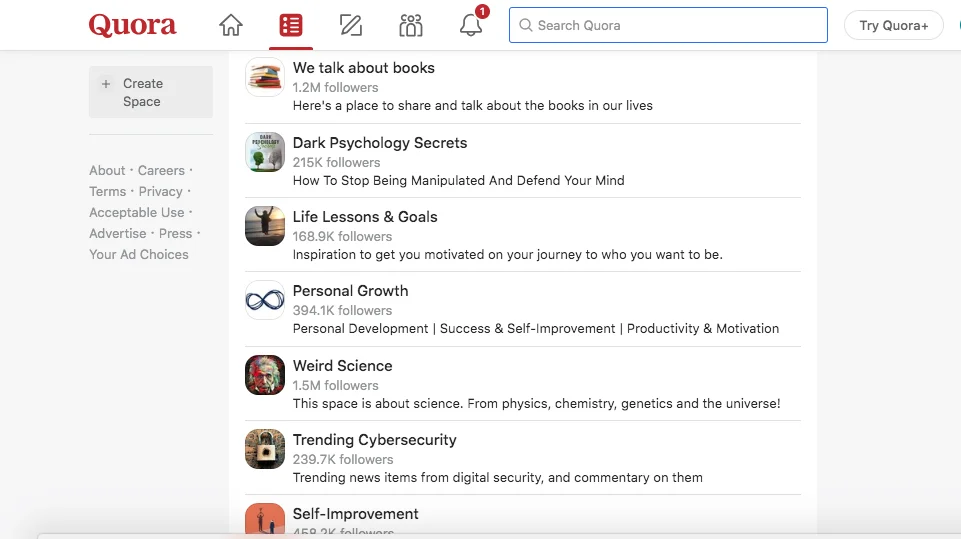
Quora users shared many different and interesting viewpoints on this topic.
Reconditioning the Mind
Fokwa Divine shared an interesting perspective on how affirmations change the way you think.
They shared a personal example of growing up in a negative environment and using affirmations to change how they saw themselves.
According to them, saying positive statements every morning and evening for a year shifted their thinking. They advised creating a list of affirmations and reading them with passion, such as:
- “I am confident.”
- “I am intelligent.”
- “I am successful.”
A Story of Renewal
David Melville-LaBorde shared a deeply personal account of using affirmations to overcome trauma.
After battling childhood abuse, affirmations became a lifeline.
By repeating positive statements, he rebuilt his career and created a program to help others use affirmations to grow. As he noted, “Practice makes us better and better every time we repeat our positive affirmations.”
Realizing Potential

Dr. Indu Sadhwani considers affirmations to be a catalyst for action.
They shared their transition from passive learning to active teaching in law. By believing in their abilities, they were able to take control of their career path and find satisfaction.
Practical Steps for Workplace Success
Aditya Choubey provided practical tips on how to turn affirmations into real habits.
Strategies like avoiding multitasking and learning something new daily fit with the mindset that affirmations try to create.
Building Emotional Strength
Liz O’Neill’s contribution focused on affirmations as a way to build emotional strength. Their list included:
- “I am important.”
- “I don’t have to be perfect.”
- “I can nurture myself.”
This holistic approach helps people balance being kind to themselves with wanting to achieve things!
Insights from Prominent Figures

Raúl Sanz brought attention to the success stories of people like Jim Carrey, Oprah Winfrey, and Arnold Schwarzenegger, who used affirmations and visualization to achieve their dreams.
Conclusion
Job affirmations are powerful tools for improving productivity. They help us create a focused approach to our professional lives.
Affirmations have many advantages at work. They help us challenge limiting beliefs and overcome self-doubt.
We build strong self-belief that helps us overcome even the hardest challenges. This strength helps us perform better and be more creative.
Leaders can motivate everyone and create a sense of shared purpose. The ripple effect of affirmations in a team is truly transformative.
The benefits of job affirmations are in taking action and making them a part of your routine. If you practice affirmations more, you’ll see a bigger change in how you think about your career.
Affirmations are a tool for creating tangible change. You will take deliberate steps toward achieving your dreams.
Hire the best candidates
with Wetest.
Create pre-employment assessments in minutes to screen candidates, save time, and hire the best talent.
Try for free