How to Be a Good Interviewer: Mastering the Art of Interviewing
Hiring & recruiting
Bonica
November 15, 2024
Interviewing right is key to hiring the right people and building a strong team.
Around 75% of job seekers consider their experience when evaluating an employer.
Companies spend two-thirds of their hiring time on interviews.
Professionalism in an interviewer sets the tone for a positive experience. It requires a mix of preparation, communication, and assessment.
When your questions are planned, the interview is more effective in predicting job performance.
This structured approach helps reduce bias and ensures that each candidate is evaluated on the same criteria.
The importance of good interviewing skills also extends to company culture. A good interview process helps identify candidates who possess the necessary skills.
When a candidate is a good cultural fit, they are more likely to be engaged and stay longer.
A positive interviewing experience leaves even candidates who are not selected with a favorable impression. This enhances the employer’s reputation.
Mastering interviewing techniques is essential for making informed hiring decisions.
Table of Contents
Preparing for the Interview

Preparation is key. It helps you ask more questions and evaluate candidates effectively.
Understand the Role
Review the job description and identify the key responsibilities. Having a clear vision allows you to do your job perfectly.
The job description is the blueprint for the interview. Break down the essential duties and specific skills needed.
If the role needs problem-solving skills, be ready to ask questions that need the interviewee to think critically and solve complex issues.
Their fit in the company culture is another factor. Research your company’s mission and dynamics to assess which qualities are necessary.
Around 70% of hiring managers say finding candidates fitting the company culture is more important than focusing solely on skills.
Decide on your objectives. Setting goals helps to guide your questioning. This preparation step increases the chances of identifying the right candidate.
Know the Candidate
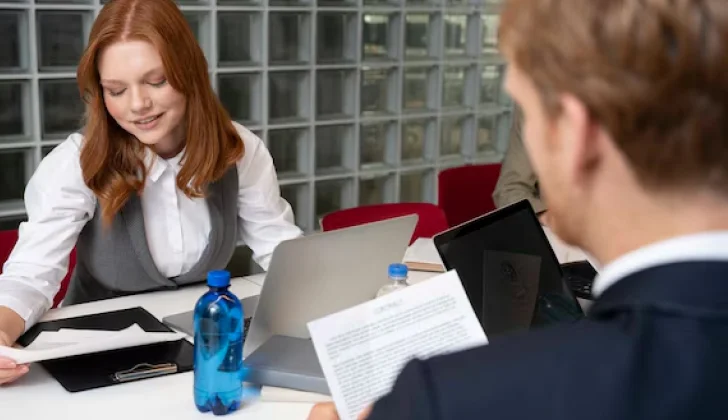
Familiarize yourself with the candidate’s portfolio and any additional materials provided beforehand. This will save time and show respect for the candidate’s application.
Look for his key achievements and take note of any gaps in employment that require clarification during the interview.
Reviewing their LinkedIn profile also gives you a history.
Decide which aspects of their experience you want to explore more. If a candidate lists a project they led, prepare questions about their role, the challenges faced, and the outcomes achieved.
This approach personalizes the interview.
They often have questions about the company. Be ready to answer these questions and to address any concerns you have.
Ask Specific Questions
One of the most important aspects of preparation is developing a set of specific questions.
These should be a mix of behavioral and technical questions that allow you to assess the candidate.
Behavioral questions help you understand how a candidate has handled past situations and show how they perform in similar conditions in your company.
Research shows that structured behavioral interviews are 55% more predictive of a candidate’s future job performance than traditional unstructured interviews.
Situational questions present hypothetical scenarios to see how a candidate handles challenges. These questions reveal a thought process and ability to handle tasks.
Technical questions are best for roles needing technical expertise. These questions test the knowledge in these areas. They should be designed to assess your candidate’s proficiency in the required skills.
Proper preparation improves the efficiency of the interview. Taking the time to prepare thoroughly proves to candidates that the interview process is important to your company.
Creating a Comfortable Environment
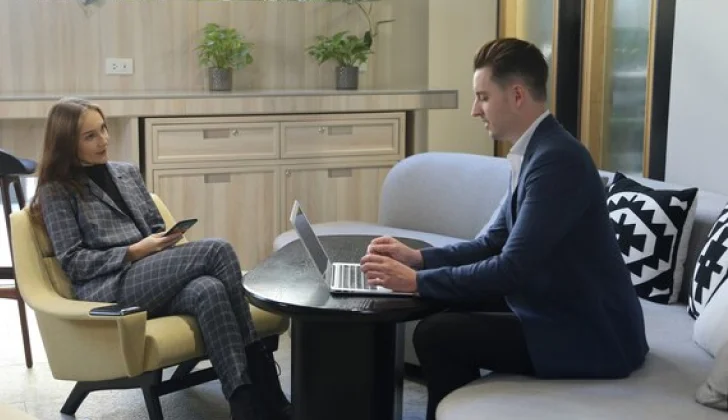
A positive atmosphere helps reduce nerves and encourages communication so you can better assess the candidate’s fit for the role.
Warm Welcome
A warm and friendly introduction helps put them at ease. Introduce yourself and tell them your position in the company.
Share a bit about your background to make a personal connection. This approach humanizes the interaction so the initial anxiety will be gone.
Spend a few moments engaging in light conversation. Asking simple questions helps build rapport.
Candidates who feel a personal connection with the interviewer are more likely to share honest answers.
You should outline the structure of the interview right from the start. Let them know what to expect! They need to know about the types of questions you will ask and the duration of the interview. This helps reduce uncertainty.
Minimize Distractions

A quiet environment is essential for both of you to be able to focus fully on the conversation.
Distractions disrupt the flow of the interview and make it harder to do the job perfectly.
Select a private room for the interview to minimize noise. If it is a virtual one, ensure your surroundings are tidy.
Make sure to silence notifications and close any unrelated tabs on your devices. The constant pinging will distract you and make them feel as though they are not your priority.
Candidates feel disconnected when interviewers are distracted over and over during the conversation.
Tell your colleagues that you are having an interview and ask not to be disturbed during this time.
A “Do Not Disturb” sign on the door works as well!
Offer a Brief Overview
Give them an introduction to your company and its mission. This gives the candidate a better understanding of the company and helps them answer your questions better.
Start with a brief history of the company and the values it upholds. This sets the context and helps candidates understand what is important.
Discuss how the position fits into the larger company structure. They need to know how their performance impacts the company’s success.
Make sure to invite the candidate to ask any questions they have.
You need a dialogue as it gives the candidate an opportunity to address any concerns.
Mastering Interview Techniques

An interviewer’s ability to listen actively and evaluate responses changes the outcome of the interview.
Active Listening and Note-Taking
Active listening involves fully concentrating and responding thoughtfully.
This interview technique is vital in interviews because it helps you learn more about the candidate’s skills and experiences.
Give your full attention to the candidates when they speak. Maintain eye contact and show engagement through nods or brief affirmations.
Reflective listening is partially paraphrasing what the candidate has said to show that you understand their points. Clarify the candidate’s responses and let them know their thoughts matter.
Take Structured Notes
Note-taking is crucial for remembering key points when interviewing a couple of candidates for the same role. Balance jotting down notes and maintaining eye contact.
Consider using a structured approach!
Write down only the most relevant points or highlight specific skills mentioned.
Review your notes immediately to fill in any gaps while the conversation is still fresh in your mind.
Balance Questions

Combine structured and unstructured questions! This blend allows you to gather consistent information!
Structured ones are standardized, ensuring all candidates are evaluated based on the same criteria. They are twice as effective as unstructured ones in predicting job performance. They reduce bias and focus on job competencies.
Note that a format that is too rigid limits the natural flow! Open-ended questions reveal more about a candidate’s creativity and help you learn more about the candidate’s work style. The key is to maintain a balance!
One way to get detailed answers is to prompt candidates to share stories from their past experiences.
Storytelling shows how they think through problems and how they handle various situations. Ask for concrete examples that show their abilities in action.
Use the STAR Method
The STAR method (Situation, Task, Action, Result) guides them in clearly detailing past experiences, making it easier for you to evaluate their skills.
Focus on situations that are relevant to the role. Encourage candidates to provide detailed and evidence-based answers rather than generic responses.
Listen closely to how the candidate structures their answer. A strong response will outline a clear situation, describe the task at hand, detail their actions, and conclude with results.
Using the STAR method also helps you spot potential red flags. A candidate’s struggle to give you details or results shows a lack of relevant experience. If their story is compelling, it shows their suitability for the role.
Assessing Candidates Effectively
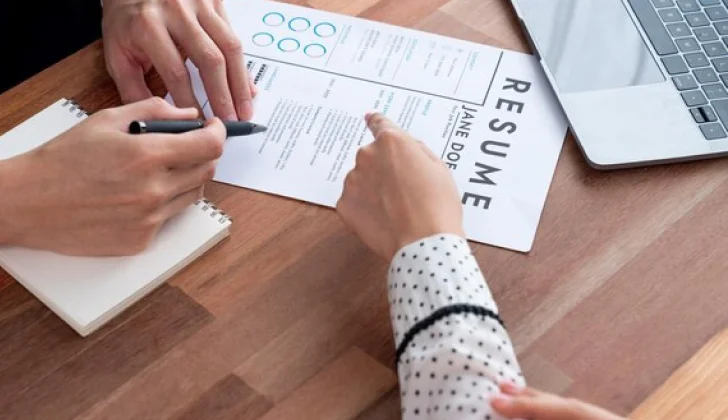
The assessing process goes beyond evaluating their resumes. You need an approach to determine whether a candidate has the right mix of skills for the role.
Scoring System
A structured approach allows you to reduce biases.
Create a rating scale from 1 to 5 or 10 for each skill. Define clear criteria for each score level.
Structured scoring systems increase the predictive validity of interviews by up to 40%.
Base your scoring system on the competencies needed.
If the role needs strong management, ask questions that allow you to assess this competency and rate the responses.
Combine feedback from different interviewers. When several interviewers provide their ratings, it helps to minimize biases and offers a broader perspective.
Studies have shown that involving at least three interviewers reduces the impact of any one person’s bias.
Beyond the Resume
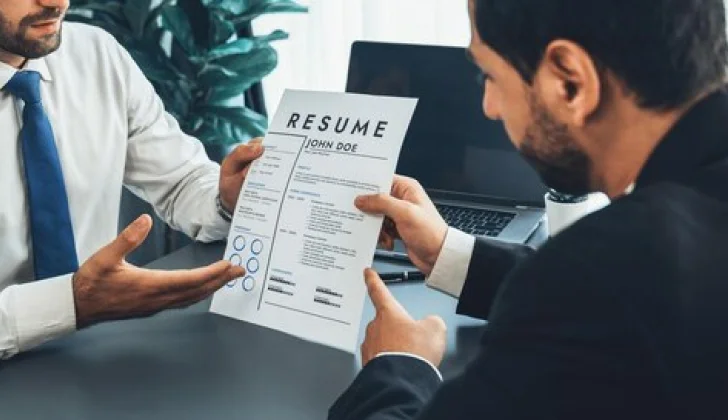
A resume often doesn’t capture the full picture. Focusing solely on resume data leads to overlooking crucial soft skills.
Pay close attention to how the candidate communicates during the interview. Are they articulate and clear in explaining their past experiences? A majority of talent professionals, 92%, consider soft skills as necessary or more important than hard skills when hiring.
Ask problem-solving questions! You need to observe their critical thinking process. Those who break down problems and outline solutions are often more effective in dynamic work.
Common Pitfalls
Interviewers sometimes fall into common traps that cause poor hiring decisions.
Avoid leading questions! Don’t suggest a particular answer; never reveal what you want to hear!
Instead, ask open-ended questions to receive genuine answers.
Don’t let your own beliefs cloud your judgment. Interviewers should always avoid Confirmation Bias. It happens when an interviewer focuses on information confirming their initial impression of a candidate while ignoring evidence contradicting it.
If a candidate starts with a strong answer, you will overlook weaker responses later in the interview! Rely on your scoring system!
First impressions are misleading! Focus on the content of the candidate’s answers and their skills. Give them a fair chance to show their abilities, even if the initial interaction doesn’t go as expected.
A Quora Rundown!

We can always find fresh perspectives on platforms like Quora and Reddit to learn how to do interviews best.
Quora users have shared some advice on sharpening interview skills based on their personal experiences and industry knowledge.
Don’t Talk about Yourself!
A common thread among many responses is the importance of getting candidates to talk about themselves.
One Quora user with 30 years of experience as a senior-level engineer in Silicon Valley emphasizes this approach. He believes that people naturally enjoy talking about their achievements if given the chance.
The key, according to him, is to listen more than you speak. “Don’t talk about yourself,” he advises, noting that candidates are not there to hear the interviewer’s stories but to share their own.
With hundreds of interviews under his belt, he stresses the importance of practice, “Practice makes perfect.” The more interviews you do, the better you become at conversations and finding the candidate’s true potential.
Preparation Matters!

Another piece of advice focuses on preparation and note-taking.
One user recommends reading Chapter 8 of Tony Robbins’ *Awaken the Giant Within*, which explores the importance of asking questions.
According to this user, preparing questions ahead of time leads to more meaningful conversations. Taking notes during the interview can be a game-changer. It helps capture key points and encourages the candidate to open up more as they see their words being noted.
This technique turns a standard interview into a detailed exploration of the candidate’s skills.
Fairness for All Candidates!

A recruiter shares a valuable lesson learned from her manager: treat every candidate as an equal.
This approach, she explains, eliminates any unnecessary power dynamics and sets a tone of mutual respect.
Instead of addressing candidates with formal titles like “Sir” or “Ma’am,” she uses their first names. This small change helps build rapport quickly and makes the interaction feel less intimidating.
Doing your homework on the candidate’s previous roles and responsibilities is also crucial. This effort prevents the candidate from taking the process lightly and shows the interviewer knows what they want.
Don’t Underestimate Any Candidate!
Another Quora user advises us to take every interview seriously!
He believes even “flier” candidates who may seem like long shots based on their resumes can surprise you with their potential during the interview. Candidates who appear as “must-hires” on paper sometimes fail to meet expectations.
The takeaway here is to never underestimate an interview; each one is a learning opportunity.
Treating every interaction with the same level of seriousness helps make better hiring decisions and hone your interviewing skills over time.
Conclusion
Becoming a star interviewer requires you to be prepared.
You should be an active listener with empathy and respect for the candidate.
Creating a comfortable environment where candidates feel at ease. Asking insightful questions and carefully observing both verbal and nonverbal cues are essential as well.
Understanding the dynamics of the interview process and treating candidates as equals as well as avoiding over-talk about yourself are the qualities you must have.
Always think about how you can refine your questioning techniques.
Hire the best candidates
with Wetest.
Create pre-employment assessments in minutes to screen candidates, save time, and hire the best talent.
Try for free