How to hire a graphic designer
Uncategorized
Bonica
June 3, 2026
You hire a designer and still feel like, “don’t get it” right? You’re not alone.
You usually hear that, a Graphic Designer will help you make everything easier, but in reality it can be slower than anticipated, and expectations may not be clear, and your portfolio may look great on paper, but in reality it doesn’t function.
This is a Graphic Design Hiring Guide, which will guide you through the list of what to look for in a graphic designer, who is suitable for your business. You will discover where to get talent, what kinds of skills to focus on and how to figure out if there are any pretty pictures or skills that are helpful.
A good designer isn’t just someone who “makes things look nice”. They shape the view of your brand, they help you achieve your marketing goals and make your ideas come to life and stick in your audience’s mind.
Carefully done design can be a real boost to revenue and growth. By the end of this guide, you should be able to hire with a lot more confidence and have a streamlined hiring process.
Table of Contents
What Does a Graphic Designer Do?
On its most basic level, a graphic designer converts your concepts into visuals that you can observe and respond to.
This can be a logo, a set of brand rules, Instagram posts, ad creatives, website sections, brochures, pitch decks, packaging or files ready to go to print. Everything you do on a daily basis depends on the kind of designer that you hire.
Some designers are more specific with their brands and identities. Some focus on UX/UI and their work is based on sites and apps. The majority of the time digital designers are dedicated to on-line advertising and marketing campaigns and social. Print designers are worried about what things will look like when printed. Labels, boxes and how your product looks in the package or delivery are all taken into account by packaging designers.
The important point: relate their work to your needs.
When working on packaging, be sure to not only fall in love with a nice logo that they have in their portfolio but also with the experience that they bring to the table. If you’re running ads, go pay some attention to the ads they have used in the past. The more similar the projects are, the better.
The Business Benefits of Hiring a Graphic Designer
There are many and varied benefits to having your graphic design done. Having a graphic designer on your staff can have numerous advantages for your business.
A good graphic designer makes your business more recognizable and more believable. They intertwine in a manner that makes your logo, colors, ads, social posts, emails, packaging and sales materials feel like they are part of the same brand and not a collection of one-off pieces of hodge-podge.
Consistency is something that many people don’t pay attention to. If your graphics are distracting or if you have them all over, your customers won’t know what to remember about you, and won’t take you seriously. It’s all about clear, coherent design and your message will be heard quicker and keep its audience better.
It also saves your team time. Instead of rebuilding graphics from scratch every week, a designer can create reusable templates for social, email, ads, and print. This is even more important for teams handling client work, where strong design helps marketing agencies keep everything consistent across channels.
If you are planning a new product or campaign, involve your designer early. Let them set the overall look and feel first, then build the smaller pieces around that.
When is the Right Time to Hire a Graphic Designer?
Get a graphic designer when design work becomes a hindrance.
Or maybe your team is creating graphics that are due at the last minute. Perhaps your Instagram posts, ads and web appear as if they are from different brands. Or perhaps you are starting something new and now require packaging, an email, advertisements, and a landing page that matches.
That’s typically where a designer comes in. It might not be necessary to hire someone full-time from the beginning. Start small.
Provide the designer with one actual project such as a campaign, product page or a set of social templates. Observe their response to feedback, timelines, files and brand consistency.
If it becomes clearer and your team does not spend hours fixing the visuals then it’s probably time to keep it around.
In-House vs Freelance vs Agency vs Hybrid: Which Hiring Model is Best?
The right model can prevent you from wasting your time, having inconsistent branding, and rushed projects.
Let’s take a look at the primary choices.
In-House Designers
In-house designers are full-time employees dedicated to your company. They know your brand and work with your team.
Pros:
Always available for urgent tasks
Deep brand knowledge ensures consistency
Smooth collaboration with other teams
Cons:
Higher costs for salary and benefits
Longer onboarding process
Limited flexibility for specialized projects
Freelancers
Freelancers are independent designers hired on a project basis. They are ideal for short-term work or niche expertise.
Pros:
Flexible and cost-effective
Access to specialized skills
Can scale quickly for specific campaigns
Cons:
Availability can vary
Limited familiarity with your brand
Quality varies; portfolios must be carefully reviewed
Agencies
Agencies offer a full team of designers, project managers, and specialists. They handle campaigns from start to finish.
Pros:
Wide range of skills and experience
Structured project management
Reliable for large or complex campaigns
Cons:
Higher cost than freelancers
Less control over individual designers
Slower response for small adjustments
Hybrid Approach
A hybrid model combines a small in-house team for brand consistency with freelancers or agencies for specific projects. It blends flexibility with control.
Pros:
Scalable for different project sizes
Maintains brand continuity
Access to specialized skills without full-time hiring
Cons:
Requires strong coordination
Needs clear processes to manage multiple contributors
How a Hybrid Approach Can Save Time, Cost, and Scale Talent Efficiently
In a hybrid approach, your in-house team maintains a strong base of staff for brand essentials, and you hire freelancers or agencies to help with campaigns and other special projects.
Don’t go overboard: Begin by letting one freelancer handle one project while your in-house designer handles the other continuous projects.
This way, you can be sure deadlines are met, your brand remains consistent, and the cost is kept down.
Where to Find Top Graphic Designers in 2026

The quest for the best graphic designer in 2026 is a tough one.
It is not simply a matter of posting a job and waiting to find a good graphic designer.
You’ll need someone who matches your brand, is able to take direction, and can get those files to you when you need them.
Begin where their work is easily accessible.
If you’re looking to compare designers quickly, freelance sites such as Upwork, Fiverr, and Toptal come in handy. Look into their previous projects, reviews, response time, and if they have similar projects to yours.
If style is your first concern, then go with linkedin, behance, or dribbble. You’ll have a chance to observe a designer’s thinking process, understand the brands they collaborate with, and evaluate the resemblance of their work to what you are searching for.
Local schools and design communities, and referrals, are other good options. If a designer has experience with a person, it’s helpful to have a referral. For smaller projects or new ideas for a visual, consider using schools.
Narrow down the list to 3-5 designers.
Then compare their portfolio to your project and it’s not just to look nice. When you need packaging, find packaging.
How to Hire a Graphic Designer (Step-by-Step)
Hiring a graphic designer is much easier when you know what you are asking for.
Step 1- Get Clear on the Work
Start with the actual design need.
Are you looking for a logo, social media templates, packaging, website graphics, pitch deck design, or a full brand identity?
Write down the deliverables, deadline, budget range, and file types you expect. For example, “10 Instagram templates in Canva” is clearer than “social media design.”
Step 2- Pick the Right Hiring Setup
You do not always need a full-time designer.
A freelancer can work well for one project. A part-time designer may fit ongoing marketing needs. An agency can help when the project includes strategy, branding, web design, copy, and project management.
Choose this before you start searching. It saves awkward conversations later.
Step 3- Write a Job Post That Sounds Like a Real Project
Skip vague lines like “must be creative.”
Say what the designer will actually make, who they will work with, what tools they should know, and when the work is due.
A clear job post gets better replies.
Step 4- Search Where the Right Designers Show Their Work
Freelance platforms are useful when you want options fast.
Behance and Dribbble are better for checking style. LinkedIn helps when you want work history, recommendations, and a more formal hiring path.
Referrals are worth asking for too. A designer someone trusts is often easier to judge than a stranger with a polished profile.
Step 5- Review the Portfolio Like You Mean It
Do not choose the prettiest portfolio. Choose the one closest to your project.
If you need packaging, look for packaging. If you need ads, look for ads. If you need a brand identify, look for a full system, not just a nice logo.
Then ask one simple question:
“What part of this project did you personally handle?”
That answer will tell you a lot.
Step 6- Conduct Interviews and Design Tests

Question candidates about their creative process, workflow and approach to feedback, deadlines and lack of clear brief.
Then give them a mini design challenge that mimics the type of work they would be doing, creating a campaign visual, enhancing a landing page graphic, or describing how they would take a concept and make it work in various channels.
There’s no goal of getting free design work. It’s an examination of candidates’ thinking, communication, visual problem solving and practical considerations.
Step 7- Check References and Finalize the Offer
Talk to previous clients or employers to confirm reliability and professionalism. Clear agreements on timelines, deliverables, and payment terms reduce future headaches.
A simple pre-employment screening step can also make hiring safer by helping you verify background details before you commit.
What Are Red Flags When Hiring a Designer?
Portfolios that contain only a small amount of the work, and/or that lack relevance to the subject.
Failure to describe design decisions.
Lack of previous communication and/or missed deadlines
Prices are not realistic or scope overstated.
When portfolios look polished but you are still unsure, a focused graphic design test can help you judge real skill instead of guessing.
How to Write a Job Description That Attracts High-Quality Designers
A good job description can attract the right designers, and prevent you from spending time on unqualified applicants.
Key Elements to Include
Make your job title descriptive, precise and compelling. For instance, the title “Senior UX/UI Designer, Ecommerce” is an indication of level and focus.
Role Description: Explain the nature of the role, its contribution to the business and the team structure. Be brief and to-the-point.
Key Responsibilities: Describe tasks and responsibilities that will need to be performed on a daily and/or annual basis. This can avoid misunderstandings and help to get on the same page from the beginning.
Deliverables: Specify what sort of projects or pieces of output the designer will generate, such as wireframes, branding materials or packaging designs.
Must Haves: Must have technical skills such as Figma, Illustrator or similar; Must have soft skills such as communication, problem solving.
Specific and written job descriptions enable you to immediately identify the applicants that fit the job, reduce the ambiguity and miscommunication about the job and streamline your screening process.
Key Skills to Look for in a Graphic Designer
If you are aware of what to search for in a graphic designer, you can save time, guarantee quality work and avoid misunderstandings.
Technical skills and creative problem-solving are essential for a strong designer, ensuring your projects are executed flawlessly from concept to delivery.
Hard Skills
Design Software: Experience creating designs using software such as Figma, Illustrator, or Photoshop.
UX/UI Knowledge: Makes sure that designs are functional and user-friendly.
Typography: Effective use of font styles makes text more readable and recognizable.
Illustration: Custom illustrations enhance visual storytelling.
Soft Skills
Initiative: Pursues a challenging or novel approach to a task.
Communication: Stays clear in design explanations; avoids misunderstandings.
Problem-Solving: Works under pressure and with difficult specifications.
Interpersonal Skills: Ability to communicate well with others.
Hands-On Advice: Have candidates show you how to do a project they’ve completed. Highlight their problem-solving and ways they used feedback. A well-rounded team of both hard and soft skills members have been reported by many companies to deliver projects on time and with less revisions, preventing wasted time and frustration.
If you also want to check how candidates generate ideas and solve visual problems, a short creative thinking test can add another useful layer to the process.
Interview Questions That Reveal True Design Talent
Asking the right questions can make the difference between hiring someone who looks good on paper and a designer who actually delivers results.
Creative Thinking Questions
“If you had to redesign a common household product’s packaging, how would you make it stand out without changing its function?”
“Can you show an example where you broke the rules in design to solve a problem?”
These questions reveal originality and whether the designer can innovate under constraints.
Problem-Solving & Workflow Questions
“Tell me about a time a project deadline changed at the last minute. How did you adapt your design process?”
“If a client rejects your first concept, how do you approach the next version?”
These highlight practical thinking, adaptability, and the ability to work under pressure.
Collaboration & Feedback Questions
“Describe a time when team feedback contradicted your design instinct. How did you handle it?”
“How do you ensure stakeholders understand design decisions without technical jargon?”
These show communication skills, openness to feedback, and teamwork ability.
Try This Approach: Take notes during the candidate’s explanations and ask for real examples rather than hypotheticals.
Common Mistakes to Avoid When Hiring a Graphic Designer
Ever wonder why some design hires don’t work out?
Most problems aren’t because the designer isn’t talented; they often come from how the hiring process is handled.
Rushing the Process: Hiring too quickly often leads to misaligned expectations. Take the time to review portfolios, conduct interviews, and test skills.
Vague Project Goals: If you don’t clearly define what you need, designers can’t deliver results that match your business objectives.
Ignoring Cultural Fit: Skills are important, but the designer also needs to work well with your team and workflow.
Overemphasizing Aesthetics: Focusing only on “style” without considering usability or functionality can hurt your final product.
Skipping a Trial Project: Jumping straight to full assignments without testing skills leads to wasted time and revisions.
Quick Question: How do you know a hire will succeed? By setting clear expectations and testing their fit before committing.
How Much Do Graphic Designers Charge? Understanding Rates and Budgeting
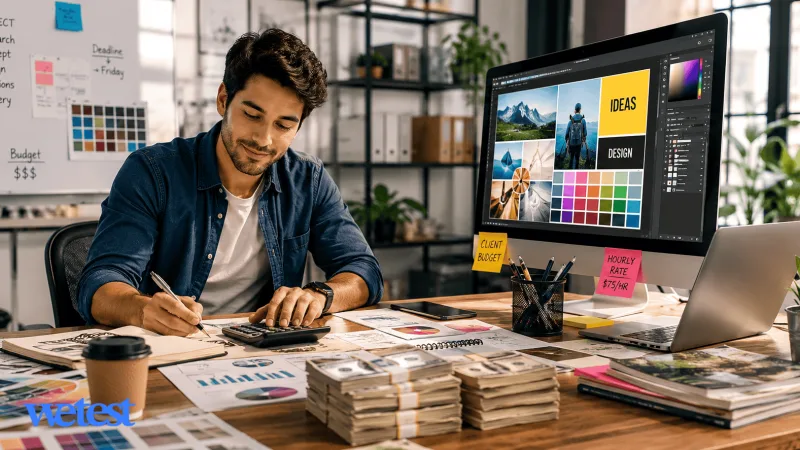
Wondering how much you should pay a graphic designer? Rates vary depending on experience, project type, and engagement model. Understanding typical pricing helps you set a realistic budget, avoid surprises, and hire the right talent without overspending.
Factors That Affect Designer Rates
Experience Level: Senior designers charge more, but they deliver faster and higher-quality work.
Project Complexity: More complex projects, like UX/UI design or packaging, require higher rates.
Engagement Type: Freelancers, agencies, and in-house staff all have different cost structures.
Location: Designers in different regions often have different market rates.
Typical Graphic Design Rates in 2026
Designer Type | Average Hourly Rate | Typical Project Cost | Notes |
Junior Freelancer | $25–$50 | $200–$800 | Good for simple social media graphics or small tasks |
Mid-Level Freelancer | $50–$100 | $800–$2,000 | Suitable for website assets, branding, or marketing campaigns |
Senior Freelancer | $100–$200 | $2,000–$5,000 | Complex UX/UI, illustrations, or strategic branding |
Design Agency | $150–$300 | $3,000–$10,000+ | Full-service solutions, multiple designers, project management included |
Budget Tip: Start by listing all deliverables, defining your project goals, and considering your timeline.
Then align these with typical rates to set a realistic budget that matches the complexity and quality you need.
Onboarding and Integrating Your New Graphic Designer
Bringing a new graphic designer on board isn’t just about giving access to software.
Proper onboarding ensures they understand your brand, workflow, and expectations. Done right, it reduces confusion and speeds up productivity.
Setting Expectations for the First 30–90 Days
Clearly outline what you expect in the first month, two months, and up to three months.
Include goals for learning your brand, completing initial projects, and adapting to feedback.
This prevents misalignment and keeps progress measurable.
Integrating into Your Team and Workflows
Introduce the designer to your team, processes, and project management tools.
Show them how projects flow from ideation to delivery. Encourage regular check-ins and collaborative sessions to ensure smooth workflow integration.
Aligning with Company Goals and KPIs
Connect design work to broader business objectives. Explain how their deliverables impact conversions, engagement, or brand consistency.
Designers who understand the “why” behind their tasks produce work that drives real business results.
A structured onboarding plan gets your designer productive quickly, keeps them aligned with your goals, and ensures design projects contribute meaningfully to your business outcomes.
Conclusion: Next Steps for Hiring Your Ideal Graphic Designer
Hiring the right graphic designer starts with clarity. Define the project, required skills, deadlines, and deliverables before you begin searching.
Then review portfolios carefully, ask about real design decisions, and use a small test task to see how candidates handle feedback, constraints, and practical creative work.
Wetest can support fairer candidate shortlisting when you need to compare designers beyond portfolios or interview confidence.
The best designer is not just the one with the strongest visuals. It is the one who understands your brand, communicates clearly, solves problems, and turns your goals into work that supports the business.
FAQs About Hiring a Graphic Designer
What is the 80/20 rule in graphic design?
The 80/20 rule means that 80% of the impact comes from 20% of the design elements. Focus on the most important elements to guide user attention and achieve your goals efficiently.
How much can a graphic designer charge?
Rates vary by experience, project type, and location. Freelancers may charge $25–$200+ per hour, while agencies can cost $3,000–$10,000+ per project.
How long does it take to complete a design project?
It depends on complexity. Simple social media graphics can take a few hours to a couple of days, while branding or UX projects can take weeks.
Should I hire a generalist or specialist designer?
Generalists can handle multiple types of projects, but specialists excel in a specific area like UX/UI, illustration, or packaging. Choose based on your immediate needs.
Can a remote designer work as effectively as an in-house designer?
Yes. With clear briefs, regular communication, and collaboration tools, remote designers can deliver results equal to in-house teams.
How important is a designer’s portfolio?
Portfolios are critical; they show style, skill, and problem-solving. Look for relevant projects that match your brand and goals.
Hire the best candidates
with Wetest.
Create pre-employment assessments in minutes to screen candidates, save time, and hire the best talent.
Try for free