
Bonica
June 20, 2023
Hiring the right candidates is one of the biggest factors in a company’s success. But you won’t find top talent with generic questions and outdated interview routines.
If you want to attract truly skilled candidates, you need effective, modern interview techniques that reveal their abilities, potential, and fit with your team.
That is why you should take help from modern recruitment and interview methods and stop using old techniques. The old ways are long and boring multistep interviews, long job descriptions, common interview questions, etc.
In this article, we’ll walk through practical interview techniques, including structured interviews, behavioral and competency‑based questions, and culture‑focused conversations, that you can use to hire top talent.
Table of Contents
Types of Interview Techniques for Hiring Top Talent
Not every interview technique measures the same thing, so using only one style can lead to weak hiring decisions. The best approach is to combine a few methods that help you assess skills, behavior, and overall fit more accurately.
- Structured interviews: Every candidate is asked the same core questions in the same order, which makes comparisons fairer and reduces bias.
- Behavioral interviews: These focus on real past situations to show how the candidate handled challenges, teamwork, or pressure.
- Competency-based interviews: These are designed to test the specific skills needed for the role, such as communication, leadership, or problem-solving.
- Technical or practical interviews: These use work samples, case tasks, or role-specific exercises to see how candidates apply their knowledge in realistic situations.
- Panel or video interviews: These can help speed up hiring and bring in different viewpoints, especially when multiple stakeholders are involved in the decision.
Define the Success Profile Before You Interview
Before you start interviewing, define what success looks like in the role so the hiring team is not judging candidates based only on confidence, resume polish, or first impressions.
A clear success profile should include the main outcomes expected from the role, the must-have skills, the key behaviors, and the personal traits that matter most for strong performance.
For example, instead of saying you want a “great marketer” or a “strong sales manager,” identify what that person should achieve in the first six to twelve months and what abilities will help them get there.
Once this profile is clear, you can build better interview questions, score candidates more fairly, and keep everyone involved in the hiring process aligned on what top talent actually means for that position.
Top Interview Techniques Helps Managers Hire Top Talents
How you design and run interviews has a direct impact on the quality of candidates you hire:
Use a Structured, Well‑Prepared Interview Process
A common misconception is that only candidates need to prepare for job interviews and that hiring managers and people in charge of hiring do not need to prepare before the interview process.
To attract the best talent during interviews, prepare properly for each conversation so you can use the time with candidates effectively.
For this purpose, review candidates’ resumes carefully and note key points so you can ask targeted, essential questions; this will make the interview process smoother.
In addition, have enough information about the position you want to hire for so that during the interview, you can more easily understand whether the candidate is suitable for open positions.
Plan Structured Interview Stages With a Clear Purpose
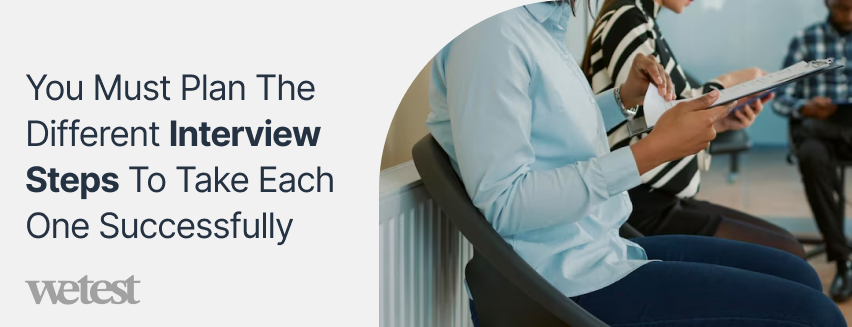
If you want interviews to be efficient and effective, every stage needs a clear purpose instead of adding steps just because other companies do.
A simple structure might include a short phone or video screen, a main interview, and one final discussion or practical task for roles that require deeper evaluation.
For each stage, decide what you are assessing and who needs to be involved, then remove any steps that do not add new information.
This helps you respect candidates’ time, reduce drop‑off from strong applicants, and keep the process focused on decisions that actually improve hire quality.
Use Interview Scorecards To Reduce Bias
A structured interview process works much better when every interviewer scores candidates against the same criteria instead of relying on memory or personal impressions.
Using a simple scorecard helps hiring teams evaluate people more fairly by rating the most important areas, such as technical ability, communication, problem-solving, and role fit.
This also makes feedback discussions more useful because interviewers can explain their ratings with evidence from the interview instead of vague comments like “I liked them” or “they did not feel right.”
Over time, scorecards help reduce bias, improve consistency, and make it easier to compare candidates side by side.
In my experience, the real value of scorecards is that they push interviewers to link every rating to specific examples from the conversation.
When someone scores a candidate highly or poorly, they have to point to what was actually said or done, which quickly exposes weak arguments and keeps decisions grounded in evidence rather than vague impressions.
Use Conversation‑Based, Candidate‑Friendly Interviews
Modern interviews work best when they feel like structured conversations rather than interrogations. Instead of running through a list of generic questions, use a simple plan and let the discussion go deeper into real projects, decisions, and challenges the candidate has faced.
A relaxed, respectful tone helps candidates share more honest and detailed answers, especially top performers who often have multiple options and little patience for cold, mechanical interviews. The goal is to keep the conversation human while still covering the key topics you need to assess.
Focus Early on Assessing the Candidate, Not Just Pitching the Company
One of the common mistakes of employers and hiring managers when recruiting is that they do not manage interview time well and do not ask important questions at the right time.
It is said that most recruiters spend 80% of the interview time talking about the company, which is a big mistake and has a negative impact on candidates. It should be noted that many candidates are not satisfied with such interviews and often reject the job offer.
You should try to consider the time of the interview and explain as much as necessary about the company and how it works, talk about the open job positions, and required technical skills, ask about the candidate’s education, and describe your expectations and spend a large part of the interview getting to know the candidates, and they will be attracted to your company.
In addition, don’t forget to give a part of the interview to the candidates so that they can ask their questions about the company culture, open positions, etc., and you have enough time to answer them.
Ask Behavioral and Competency‑Based Questions
An important factor that makes a job interview go well is that the hiring managers can ask the right and appropriate questions at every interview stage.
In addition, when you ask the right questions to the candidates, you can get to know their different skills, analyze their experience better, understand their adaptability more efficiently, etc.
Therefore, in addition to the questions related to the personal knowledge of the candidates, try to ask questions related to the job position so that you can hire the top employees for those open positions.
Behavioral questions focus on real past situations, and competency‑based questions focus on the specific skills needed for the role.
Instead of only asking general questions, use behavioral and competency‑based questions, such as:
- Tell me about a time you solved a difficult problem at work. What was the situation and what did you do?
- Give me an example of a project where you had to work closely with a difficult team member. How did you handle it?
- Describe a situation where you had to learn a new skill quickly to complete your tasks. What was your approach and what was the result?
These questions help you see how candidates behave in real situations and whether they have the competencies your role requires.
Interview for Learning Ability and Adaptability
Past experience matters, but top talent is often defined by how quickly someone can learn, adjust, and perform in new situations.
That is why interviews should also explore learning ability and adaptability, especially for roles in fast‑changing teams or industries.
Ask candidates about times they had to learn a new tool, solve an unfamiliar problem, or take on responsibilities outside their normal role.
Their answers can show how they respond to change, how they approach uncertainty, and whether they have the mindset to grow with the role instead of only relying on what they have already done before.
Add Practical Tasks or Work Samples
Interviews become much more effective when candidates are asked to show how they would handle real job tasks instead of only talking about their experience.
A short practical task, case exercise, or work sample can reveal how someone thinks, communicates, and solves problems in a way that standard interview answers often cannot.
The key is to keep the exercise relevant, realistic, and reasonable in length. When practical tasks reflect the actual role and are scored with clear criteria, they give hiring teams a stronger and fairer basis for comparing candidates and identifying top talent.
Respect Candidates’ Time to Improve Experience
If you want to have a good and positive impact on the candidates right from the interview, try to value their time and be ready for the interview at the same time.
You may think there is nothing wrong with keeping candidates waiting for a few minutes because you think it is harmless, but rest assured that this is not true and may have negative consequences, such as losing top talent.
On the other hand, don’t forget that when you prepare for a job interview on time, you can do all the tasks in the planned time, and most importantly, this will make the candidates realize one of the important cultures of your company, which is being on time.
Discuss Culture and Expectations Openly

The importance of workplace culture is significant, and it shows different aspects of companies. When your company’s culture is based on principles, your brand will be seen more among your competitors, attracting the ideal candidate you are looking for.
Therefore, if your company culture is correct and moral, try to talk about it during the interview. This way, candidates can understand your organization’s values, making finding and hiring top employees easier and helping candidates to have a better interview experience.
In addition, when you talk about the workplace culture and values of the organization during the interview, people can easily decide whether they can work with your company’s culture or not, and you can also determine whether those people are suitable candidates and a good fit for your company’s culture.
Continually Improve Your Interview Skills
One of the most critical factors you should observe as an interviewer is to focus on yourself and how you conduct interviews, and keep improving that process.
In addition to the above, when you improve your interviewing skills, you will always be familiar and updated with the new hiring methods, which have countless benefits for you and help you to be aware of the modern business world and by following its rules, you can hire the best and most talented people for your company. Remember that doing so will also give you a bigger talent pool.
Calibrate Interviews With Post‑Hire Performance
One of the best ways to improve hiring quality is to compare interview decisions with how new hires actually perform after joining the company.
When managers review performance after three, six, or twelve months, they can see which interview questions, scores, and signals really predicted success and which ones did not.
This helps hiring teams refine their scorecards, improve interviewer alignment, and avoid repeating the same mistakes in future interviews. Instead of treating each interview as a separate event, calibration turns hiring into a learning process that becomes more accurate over time.
I’ve seen teams make a big leap in hiring quality once they start treating interviews like a product they iterate on, not a fixed script. When you regularly compare your interview notes with real performance, weak questions disappear fast and the few truly predictive signals become central to every hire.
Build Genuine Relationships With Candidates
Top talent usually has more than one option, so the relationship you build during interviews can be the deciding factor in whether they join your team.
When you listen carefully, give honest feedback, and treat candidates with respect, you create trust that lasts beyond a single hiring decision.
It also makes sense to stay in touch with strong candidates even if you do not hire them right away, for example by keeping a simple talent pool or occasionally checking in when new roles open.
This way, every good interview becomes an investment in your future hiring, not just a yes/no decision for one vacancy.
How Better Interview Techniques Improve Quality of Hire
Modern interview techniques are not just about running smoother conversations; they help you avoid costly mis‑hires and improve the overall quality of your team over time.
When you define a clear success profile, use structured questions and scorecards, and calibrate decisions with post‑hire performance, you gradually remove guesswork and rely more on evidence from real data.
This means fewer hires who leave quickly, fewer performance surprises, and a stronger match between what the role requires and what the person can actually do.
In the long run, investing in better interview techniques reduces turnover, speeds up ramp‑up time, and makes each new hire more likely to become a top performer rather than a risky experiment.
Conclusion
Hiring top talent is much easier when your interviews are structured, focused, and respectful of candidates’ time.
By defining what success looks like for each role, using clear questions and scorecards, and combining behavioral, competency, and practical assessments, you get a far more accurate picture of who will actually thrive in your team.
If you treat each hiring cycle as a chance to learn, calibrating your questions with post‑hire performance and refining your process, you’ll steadily reduce mis‑hires and build a stronger, more consistent pipeline of high‑performing candidates.
FAQs
How many interview stages should I use to hire top talent?
It depends on the role, but most companies use at least two or three stages: an initial screen, a main interview, and a final interview or practical task. Too many steps can exhaust candidates, so only add stages that truly help you make a better decision.
What is a structured interview and why is it useful?
A structured interview follows a planned format and set of questions for every candidate. It helps you compare people fairly, focus on the skills that matter, and reduce bias because everyone is assessed against the same criteria.
Why should I use behavioral questions in interviews?
Behavioral questions (“Tell me about a time when…”) show how candidates acted in real situations. They help you understand their problem‑solving, teamwork, and communication skills much better than simple yes/no or hypothetical questions.
How can I improve candidate experience during interviews?
Be prepared, start on time, communicate clearly about the process, listen more than you talk, and give candidates space to ask questions. Respectful, organized interviews make strong candidates more likely to accept your offer.
Should I talk about company culture during the interview?
Yes. Explaining your company’s values, work style, and expectations helps candidates decide if they’re a good fit and helps you see whether they’ll thrive in your environment. Honest culture conversations reduce bad hires and improve retention.
Hire the best candidates
with Wetest.
Create pre-employment assessments in minutes to screen candidates, save time, and hire the best talent.
Try for free