Contract-to-Hire: What It Means and How It Works
Hiring & recruiting
Bonica
March 25, 2025
Contract-to-hire jobs have become a popular way for companies to hire people because it’s flexible. But what exactly does contract-to-hire mean? Why is it becoming a preferred option for both employers and job seekers?
C2H is a hybrid employment arrangement that starts with a candidate working for a company for a specified period. They offer you a permanent job when you and the employer are happy at the end of the contract.
This way of hiring is like a trial period for the worker and the company.
C2H focuses on long-term potential. Employers use this arrangement to ensure that the candidate aligns with the role requirements. Employees have the opportunity to evaluate their career prospects before fully committing.
C2H is becoming more popular because workers today want jobs that offer flexibility. This hiring model reduces the risk associated with direct permanent hires. Companies also better check someone’s work and how they interact with others before hiring them permanently.
C2H also helps companies adapt to fast changes in industries. Companies need flexible hiring plans to keep up and people looking for jobs need to get different kinds of experiences to stay ahead.
It is a strategic approach to building mutually beneficial workplace relationships.
Table of Contents
An Analytical Overview

C2H is a different way to hire people. It gives you the flexibility of a short-term contract but also the chance for a permanent job like with regular hiring.
It’s essential to understand how it differs from conventional employment models and how it usually works.
How C2H Differs from Traditional Employment
Traditional employment usually begins with an offer for a permanent role. It follows a formal hiring process that involves interviews and background checks. The employee becomes a permanent part of the company. They receive all associated benefits and responsibilities from day one.
C2H starts with a temporary contract. The employee works for a defined period under the guidance of a staffing agency or directly with the company. This trial period allows the employer to evaluate the candidate’s performance. The employee also has the chance to assess the job before transitioning to a permanent role.
Contract-to-hire focuses on short-term engagement with the potential for permanence. Traditional employment commits to long-term involvement from the start. Companies are less likely to make bad hiring decisions because they get a longer trial period.
The Contract-to-Hire Process

The first stage in a C2H arrangement is when the company and the worker make an initial agreement.
Most contract periods range from three to six months. This varies based on the industry or company’s needs.
They define key details like salary and working hours. Employers discuss job responsibilities and reporting structure.
The agreement includes provisions for converting the role to a permanent position if both parties are satisfied.
This step makes things clear for both sides and sets out what each person should expect.
Responsibilities During the Contract Period
The employee does the work they agreed to in the initial agreement. There are some subtle differences between this stage and regular employment.
The employee is expected to integrate into the team and deliver on assigned responsibilities. They should also show they have the necessary skills.
The employer provides the necessary tools and support to help the employee succeed during this period. It’s very important to talk openly and give feedback often so that any worries can be dealt with early on.
It’s also worth noting that employees in a C2H arrangement work with the same level of commitment as permanent employees.
Evaluation Metrics for Employers
Companies use different methods to see how well C2H workers perform during the trial period.
These include the employee’s ability to meet or exceed performance goals and complete tasks efficiently.
Soft skills, such as communication and teamwork along with adaptability and problem-solving abilities are also closely observed.
Employers assess how well the employee aligns with the company’s mission and team dynamics.
The employee’s level of dedication and motivation along with the ability to take initiative in their role are also evaluated.
Employers often hold regular performance reviews during the contract period to provide feedback and monitor progress. This ensures any issues get fixed quickly.
Many employers rely on platforms like WeTest to help them with the hiring process. These assessments help companies measure candidate skills efficiently, ensuring they bring on the right talent for long-term success.
The End of the Contract
The employer and employee review their experiences to decide if they want to move forward with a permanent position.
The company’s decision depends on whether the employees did what they were supposed to and showed they have what it takes to succeed long-term. Employers also consider the business’s current needs and budget constraints.
This is a time for employees to think about their experience at the company. They consider growth opportunities and how well they can balance their work and personal life.
If either the company or the employee decides they don’t want to continue, the contract simply ends.
Benefits of C2H Arrangement

This setup finds a good middle ground between being flexible and having a stable job. This arrangement meets the needs of a job market that’s changing quickly.
Advantages for Employers
It gives companies more flexibility when hiring.
They had to make big decisions based on interviews and checking references in the past. They get a chance with C2H to see how someone performs on the job.
This trial phase allows them to observe an employee’s performance and assess their compatibility with the team. The arrangement now can end without complications or costs!
Cost-effectiveness is another key advantage for employers.
It costs companies a lot to hire full-time employees. They have to provide benefits and potential severance pay. C2H lets them use their resources more strategically.
Starting with short-term contracts lets companies check out potential employees without the big costs of hiring someone permanently. This also reduces the chance of making costly hiring mistakes.
Advantages for Employees
Experiencing the job firsthand is much better than just reading about it in a job description!
Employees evaluate management style and overall job satisfaction during the trial period. They ensure their career decisions align with their personal goals.
Employees have the chance to develop their skills and expand their professional network.
C2H roles provide access to mentorship and challenging projects. This allows employees to improve their expertise.
Being around your coworkers gives you chances to meet people who can help you in your career. This is useful even if the job doesn’t become a full-time position.
It is a way to get a permanent job. Lots of people see these jobs as a stepping stone to a long-term position. They can increase their chances of getting a full-time job with the company. This is useful in competitive fields where getting a permanent job is difficult.
Challenges and Considerations

These arrangements are not without challenges. Both companies and workers need to think about the downsides to see if this type of job meets their needs and what they expect.
Potential Drawbacks for Employers
One notable challenge for employers is the potential difficulty of integrating new employees into the existing workforce.
Contract workers initially feel like outsiders! This leads to challenges in collaboration.
Teams accustomed to permanent colleagues will hesitate to invest in building relationships with individuals whose status is uncertain.
Employers must actively create an inclusive environment to ensure contract employees feel engaged during their trial period.
Another consideration is legal and tax implications.
Working with C2H employees requires employment laws and tax regulations. These changes depend on the location and how the job is structured.
Employers must work with staffing agencies or legal experts to make sure the contracts are done right and signed correctly to avoid any disagreements or penalties. Wrongly classifying a contract-to-hire employee as an independent contractor leads to audits or fines.
Potential Drawbacks for Employees
The lack of job security in a contract-to-hire arrangement is a source of stress!
C2H positions carry the risk of ending without a long-term offer. This creates financial and emotional strain. Imagine the employee has relocated or made other big life changes for the role.
Another drawback is the limited access to benefits during the contract period.
Employees in this arrangement may not receive the same perks as their permanent counterparts. This includes health insurance and retirement contributions along with paid time off.
Basic benefits are less comprehensive than those offered directly by the employer. This limitation may impact their overall job satisfaction.
A Quora Rundown
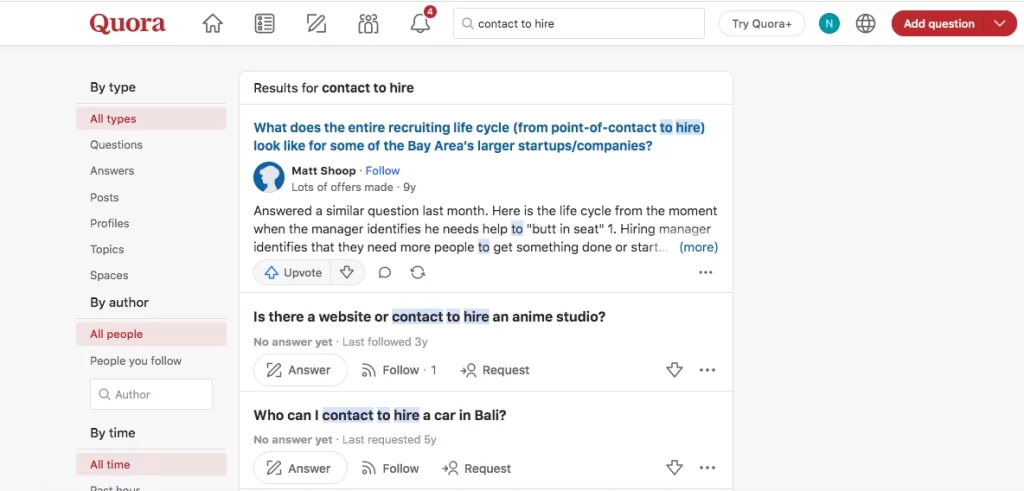
Quora users believe contract-to-hire positions offer a higher salary and an opportunity to evaluate the company and the role before making a long-term commitment. They consider the potential for discriminatory treatment to be a significant risk.
Advantages for Employees
Many users agree that C2H offers a chance to enter or return to a field.
Feroz Saiyed points out that this arrangement helps avoid the frustration of sitting on the bench! He says it provides the chance for permanent hire if performance is strong and allows flexibility for those who seek a better opportunity quickly.
Seema Shah adds that as long as you excel at your work, contract-to-hire offers the possibility to secure good offers in the future.
Employees can search for new jobs while still under contract! It gives them an advantage in case they find a better opportunity.
The higher pay for contractual roles is another benefit. Kanchan Singh Kuwarbi states that such positions come with a better salary than permanent roles due to the urgency of filling these spots.
Risks and Disadvantages for Employees

The most frequent downside mentioned is the lack of job security and benefits for contract workers.
Shashank C.G. emphasizes that contractors are usually at a disadvantage when layoffs happen. They are the first to be let go!
David Ihnen considers C2H a disrespectful practice that allows companies to easily terminate workers without repercussions.
Shashank C.G. discusses the potential for discrimination that contract workers face. This includes being treated differently by full-time employees and not receiving recognition or raises. They get excluded from social events and team outings.
An Anonymous user shared a similar experience. They noted the lack of appreciation and opportunities for learning new technologies.
Evaluation and Challenges for Employers
Kanchan Singh Kuwarbi points out the risks of hiring contract-to-hire workers. He discusses the potential for hiring an employee who is not a good long-term fit or the additional cost of hiring on a contract basis.
David Greer is a senior network architect. He notes that C2H arrangements serve as a way for companies to test employees before making them permanent and this reduces long-term hiring risks.
Sonny Mujumdar points out that C2H offers a try-before-you-buy scenario that helps avoid costs.
Career Progression

David Greer mentions that contract workers find themselves constantly looking for the next opportunity. Mark Flory notes that the C2H terminology feels like just a temporary gig without long-term guarantees.
A common worry for contract workers is lacking time for their personal lives. Feroz Saiyed points out that contractors are expected to work extra hours. This can take a toll on personal time and lead to dissatisfaction.
Positive Experiences with C2H
Some Quora users still support contract-to-hire because of what they’ve experienced.
Joel Winter and Roy Chambers suggest that contract-to-hire positions offer more autonomy and an escape from the restrictive environments found in permanent roles!
Conclusion
C2H positions offer both employees and employers an arrangement where workers are hired on a temporary contract with the potential to transition into full-time roles.
The employee benefits include flexibility and higher pay along with an opportunity to show their skills. The risks involve job insecurity and lack of benefits.
C2H offers a cost-effective way for employers to evaluate candidates before making a long-term commitment. There are also challenges in ensuring the right fit and keeping talent once a contract ends.
These positions are a solution for both employers and employees. The arrangement should be approached with clear expectations and an understanding of the potential challenges.
Hire the best candidates
with Wetest.
Create pre-employment assessments in minutes to screen candidates, save time, and hire the best talent.
Try for free