Bonica
January 19, 2024
Have you ever faced a challenging situation with your co-worker that became a conflict over time? Maybe you just couldn’t get along with how they got things done, or their working strategies didn’t suit you.
That’s when a minor dispute arises. As you may have guessed, it later turns into a workplace conflict. I have seen so many successful companies fall apart because of constant arguments and the negative tension that took over the company because of it.
So let me ask you: how familiar are you with this term? And what methods do you know to prevent, handle, and resolve it? In today’s article, we will discuss the meaning, resolutions, and tips to avoid this type of conflict.
Table of Contents
Workplace Conflict Definition
As you may already know, workplace conflict refers to the type of contrast in beliefs among team members in the company. This type of conflict could lead to catastrophic results such as physical confrontation, profanity, and unlawful actions.
Common Workplace Conflicts
1- Work Style Conflicts
Have you ever worked with someone who had a whole other way of getting things done? For instance, you are very easygoing and prefer patience and creativity, while your colleague is stricter and more severe.
When team members have completely different working styles, they might face difficulties getting along and figuring out how to work together.
As I gave you an example, maybe you like taking risks and trying new opportunities, but your colleague is very cautious.

2- Leadership Conflicts
One of the most common types of conflict that any leader and manager might encounter is when it comes to leading the team and making the final decisions.
This type of conflict can be categorized into goals, roles, and perspectives.
- Goal
managers could have divergent perspectives regarding the brand’s future. For instance, considering involvement in international governance, others might prefer taking things more slowly.
- Role
Of course, each manager and team member has their own role. The team members and leaders need to understand in what areas they can make decisions and their responsibilities. Managers sometimes need to remember their roles or be more precise about what to do. This eventually leads to multiple conflicts and inconveniences in the workplace.
- Difference In Opinion
The difference in opinion is inevitable since every human has its own way of thinking and solving problems. This could sometimes lead to debate and even aggressive conversations between the managers.
The existence of this sort of conflict is not only typical but also very effective as long as you know how to keep the debate healthy. What helps any company grow is the different ideas and colors that teammates bring to the group. Combining those ideas will create something that’ll be your ticket to victory.
3- Creative Conflicts
Working with other team members is a chance to learn and grow. However, creative opinions can sometimes lead to different ideas for a project, making it hard for you to sort them out. This sort of conflict can be tense because they’re all about new and innovative actions, and they tend to rise from different sources, like having other goals, values, or styles.
4- Task-Based Conflicts
Task conflict is when team members disagree on how to get work done. It can happen because people have different attitudes, needs, or practices. Let’s break down some areas where employees might bump into task conflict.
5- Interpersonal Conflicts
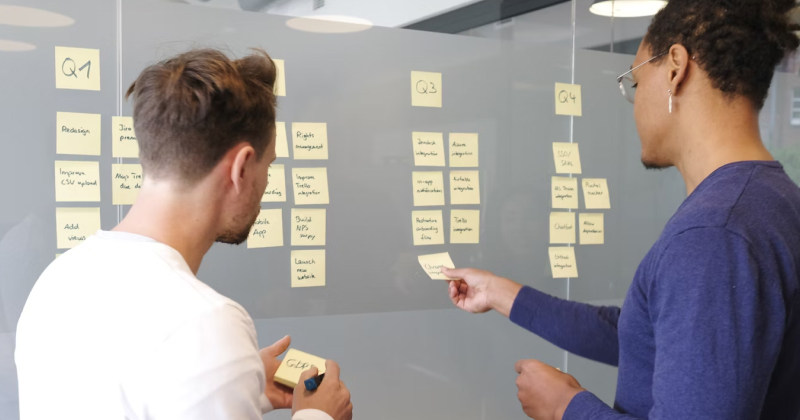
Interpersonal conflict refers to any sort of argument and disagreement that occurs between two or more people. Of course, they aren’t suitable for work efficiency. However, they’re a part of work life that we can’t avoid.
Here are some examples:
- One worker gets promoted, and another feels they work harder, causing conflict.
- Conflicts related to race or gender, like not wanting to work with someone different.
- Workers disagree on a project, leading to conflict.
6- Task Interdependence
Achieving your goal requires relying on others to fulfill their tasks, which takes us to the following typical example of conflict in the office.
For instance, let’s assume you are writing a song with your music band. You need the songwriter, the producer, the guitarist, the pianist, and the violinist to make a smooth song. Everybody engages with this project. The guitarist, however, might believe the music would sound better acoustic. Another might want something like a rock song! A conflict arises in this situation.
What Causes Disputes To Arise In a Work Environment?
1- High Expectation
Problems at work happen when what you hope for and what actually happens don’t match up. You want your coworkers to be friendly, well-behaved, good at their jobs, etc. But the slightest mistake is enough to change your opinion towards them when they don’t meet these expectations, which will cause conflict eventually.
2- Communication Problems
When people don’t communicate well or misunderstand each other, it can cause fights. If things are clear, messages get mixed up, or there needs to be more information shared, it can make people argue over the most minor issues.
3- Discrimination and Harassment
Problems at work may happen when people are mistreated or harassed because of things like their race, gender, age, or religion. Solving these issues needs special attention and resolution processes.
How Can HR Manage Conflict In The Workplace?
Dealing with problems at work correctly is super important because it affects how much work gets done and how people feel. To stop issues from happening, HR can give employees online tools to talk more. This can also help everyone work together better. HR Leads can think about using the Connecteam app – it has many helpful things like managing time and tasks, working together, and ensuring everyone stays interested and involved.
How To Handle Conflicts In A Remote Workplace
Handling team conflicts can be tricky in any job, but it gets even more challenging in remote work where team members are in different places. Here are some ways to deal with team conflicts in remote work:

1- Make sure everyone can talk easily
When working from different places, it’s essential to have straightforward ways for everyone to communicate. This includes video calls, instant messaging, email, and project management tools. Different ways to talk can help the team share information quickly and understand each other better.
2- Make a plan to fix issues
Another way to handle conflicts is to have a simple problem-solving plan. This plan should say what to do when there’s a problem, who to talk to, and how to fix it. It should also suggest easy ways to solve problems remotely, like scheduling video calls to discuss issues or using tools to keep track of work and catch potential problems.
3- Make sure everyone knows their job
Conflicts can happen when people need clarification about what they should be doing. To stop this, ensure each team member understands their role and what they need to do to help the group. You can do this by having regular team meetings and setting goals together.
Consequences Of Unresolved Disputes
If problems aren’t solved, they can hurt relationships, make trust go down, and make stress and not coming to work more common. Some workers might even consider going to court if there’s no other way to fix things. If a company doesn’t handle conflicts well, employees may have to find solutions elsewhere.
How Do You Know When Conflict Is Resolved?
You know the conflict is appropriately resolved when you feel:
- The conflict doesn’t interest you anymore.
- You can see things more clearly now.
- The anger you had is gone.
- You learned something from the battle.
Last Words
Workplace conflict is expected when people with different backgrounds and work styles come together for business. It’s essential to handle and solve conflicts. Right now, with tensions from political and racial discussions at work, conflicts are more likely.
In this blog, we discussed the definition of this concept and explored different situations in which conflict could occur.
If you ever get involved in a dispute, remember that you and your teammates are heading towards the same destination: company development. However, you might have different maps and want to try other ways to get there.
Instead of bringing chaos and conflict into your office, try to negotiate and make the best decision together.
Hire the best candidates
with Wetest.
Create pre-employment assessments in minutes to screen candidates, save time, and hire the best talent.
Try for free